


The Ultimate Anti-Ageing Guide for Your 40s: Understanding Volume Loss, Facial Descent, Collagen Decline and the Best Non-Surgical Treatments in Adelaide
The Ultimate Anti-Ageing Guide for Your 40s: Understanding the Transformative Decade
Your 40s often mark the decade when the signs of ageing become unmistakably visible. Unlike your 30s, when prevention and maintenance dominate, this period involves deeper biological changes that affect your skin’s structure and appearance. Key factors include a significant decline in collagen and elastin production—two proteins essential for skin firmness and elasticity. Additionally, cell turnover slows down, meaning dead skin cells linger longer, leading to dullness and uneven texture.
Facial fat pads, which provide youthful volume and contour, begin to descend and diminish, while ligaments supporting facial tissues lose strength and laxity. Hormonal fluctuations, particularly those associated with perimenopause, further exacerbate dryness and skin barrier weakening. Add to this the cumulative effects of years of UV radiation exposure, and it becomes clear that anti-ageing in your 40s is no longer about prevention alone—it requires targeted correction and restoration.
The Three Biggest Facial Changes Most People Notice In Their 40s
In your 40s, three interrelated facial changes typically emerge simultaneously, each demanding distinct treatment approaches to effectively address ageing.
Change #1: Volume Loss
Volume loss is a foundational change that profoundly alters facial contours and youthful fullness. This includes:
- Temple Hollowing: The temples lose fat, creating a sunken, skeletal appearance that ages the upper face.
- Cheek Flattening: Mid-face volume diminishes, reducing projection and leading to a flatter, less vibrant profile.
- Under-Eye Hollowing: Fat pad atrophy beneath the eyes causes dark circles and a tired, hollowed look.
- Loss of Facial Support: As volume declines, the skin loses its underlying scaffolding, exacerbating sagging and wrinkles.
Volume loss often ages the face more dramatically than surface wrinkles because it affects the structural integrity and three-dimensional shape of the face. Restoring volume and support is therefore a critical component of anti-ageing strategies in your 40s.
Change #2: Facial Descent
Structural descent results from the downward shift of fat pads and weakening of supportive ligaments:
- Fat Pad Descent: Gravity and tissue laxity cause fat pads to migrate downward, contributing to sagging.
- Jawline Softening: Loss of definition along the jawline creates a less sculpted appearance.
- Early Jowls: Sagging tissues accumulate along the lower face, forming jowls.
- Neck Laxity: Skin laxity extends to the neck, producing crepey texture and sagging.
- Ligament Weakening: The facial ligaments lose tensile strength, reducing support for overlying tissues.
Change #3: Skin Quality Decline
Skin surface changes compound volume and structural issues, including:
- Pigmentation: Uneven skin tone, age spots, and sun damage become more prominent.
- Enlarged Pores: Loss of skin elasticity causes pores to dilate.
- Skin Texture Changes: Slower cell turnover leads to roughness and dullness.
- Fine Lines: Early wrinkles appear, particularly around expressive areas.
- Dullness: Reduced radiance results from cumulative environmental damage and decreased hydration.
Addressing these three changes requires a comprehensive, multi-layered treatment strategy that targets volume restoration, tissue lifting, and skin rejuvenation simultaneously.
Why Volume Loss Becomes One of the Biggest Ageing Factors in Your 40s
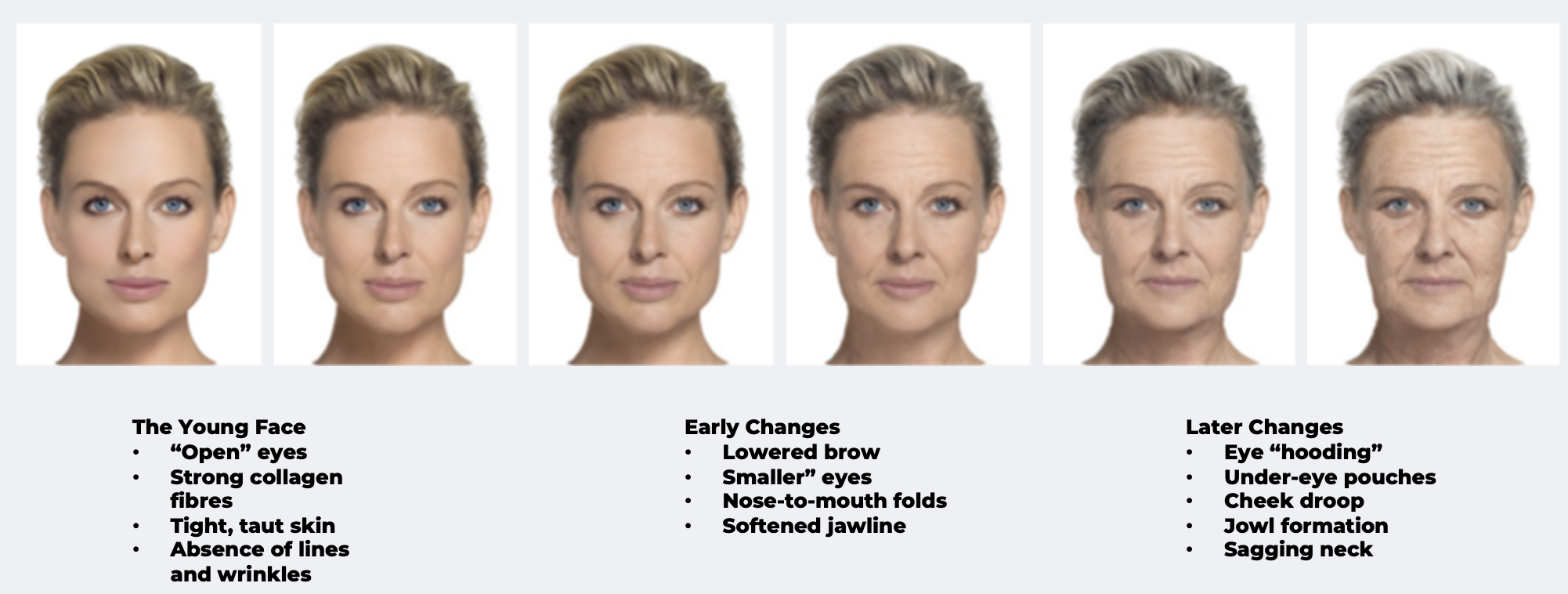
One of the most significant contributors to an aged appearance in your 40s is volume loss. Unlike wrinkles, which primarily affect the skin surface, volume loss impacts the foundational facial structures, profoundly altering contours and expression. Key manifestations of volume loss include:
- Fat Pad Descent: The natural descent of fat pads shifts youthful fullness downward, creating sagging and heaviness in the lower face.
- Temple Hollowing: Loss of volume in the temples creates a sunken appearance, contributing to an overall skeletal look.
- Cheek Flattening: Reduced cheek volume diminishes mid-face projection, leading to a flatter, less vibrant facial profile.
- Under-Eye Hollowing: Fat pad atrophy under the eyes causes dark circles and a tired, hollowed look.
- Nasolabial Folds and Marionette Lines: As volume decreases, these folds deepen, casting shadows that accentuate ageing.
- Lower-Face Heaviness: The combination of fat pad descent and ligament laxity leads to jowling and loss of a defined jawline.
- Loss of Facial Support: Declining volume weakens the skin’s underlying scaffolding, exacerbating sagging and wrinkles.
Volume loss often creates an older appearance more noticeably than wrinkles because it affects the structural support of the face. Restoring volume redefines contours, lifts sagging tissues, and rejuvenates overall facial harmony, making it a critical focus in anti-ageing strategies for your 40s.
The Hidden Ageing Factor Most People Don't Know About: Bone Remodeling
Facial ageing is not solely caused by collagen loss and fat pad descent. The facial skeleton itself undergoes remodeling over time, which significantly influences the ageing appearance.
Key skeletal changes include:
- Widening of the Eye Sockets: This creates the illusion of hollow, sunken eyes.
- Reduced Cheekbone Support: Loss of bony projection leads to flatter cheeks and diminished mid-face volume.
- Jawline Changes: Bone resorption alters the jaw’s shape, reducing definition and contributing to jowling.
- Loss of Structural Projection: Overall reduction in bone volume weakens the facial framework.
These skeletal changes exacerbate soft tissue ageing signs such as deeper nasolabial folds, hollow eyes, flatter cheeks, and heaviness in the lower face. Understanding bone remodeling elevates the anti-ageing conversation beyond typical skin-focused approaches and highlights the importance of addressing all facial layers for true rejuvenation.
The Most Common Signs of Ageing in Your 40s
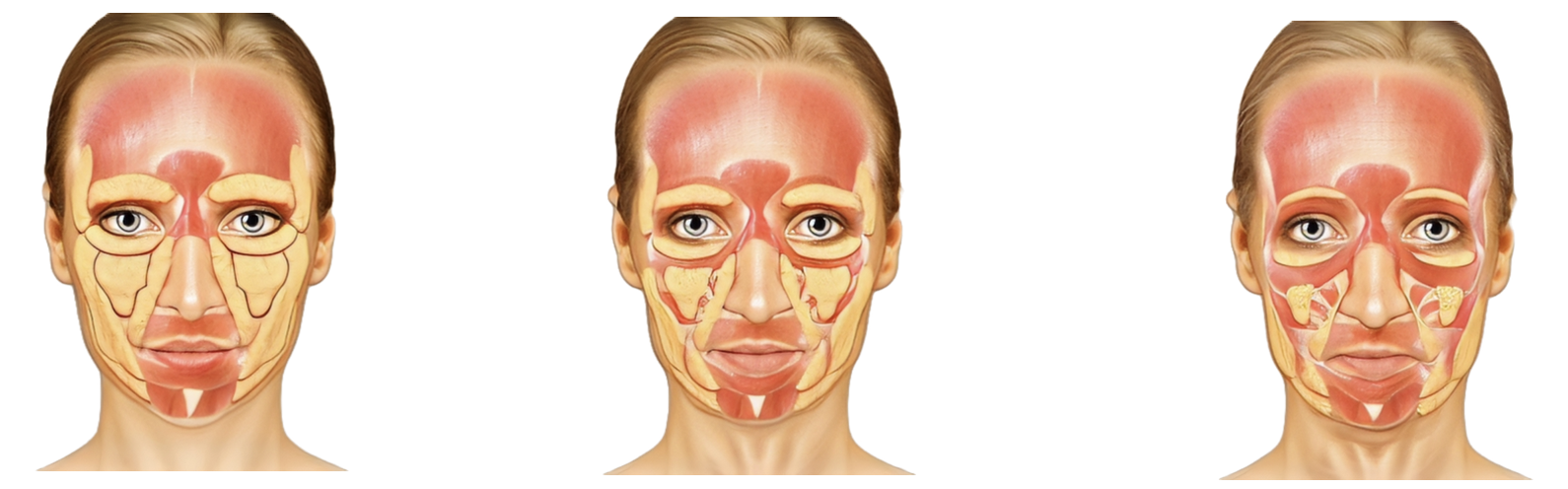
As these underlying changes progress, several visible signs emerge:
- Deeper Forehead Lines and Frown Lines: Repeated facial expressions combined with collagen loss deepen these dynamic wrinkles into more fixed expression lines.
- Crow’s Feet: Fine lines around the eyes become more pronounced due to delicate skin and muscle movement.
- Nasolabial Folds and Marionette Lines: Volume loss and ligament laxity cause these folds to deepen, creating shadows and sagging skin.
- Jawline Softening and Jowls: Descent of fat pads and weakening ligaments lead to loss of a defined jawline and early jowl formation.
- Neck Laxity: Thinner skin and collagen decline result in sagging and crepey texture.
- Pigmentation and Age Spots: Years of UV exposure cause uneven skin tone, dark spots, and sun damage.
- Facial Volume Loss and Under-Eye Hollowing: Fat pad atrophy creates hollows, dark circles, and a tired appearance.
- Dull Skin and Enlarged Pores: Slower cell turnover and environmental damage reduce radiance, enlarge pores, and can make wrinkles look more obvious.
Each of these signs reflects changes at different layers of the face, underscoring the complexity of ageing in this decade.
Why Most People Look Older In Their 40s Even If They Take Care Of Their Skin
Many people in their 40s ask: "I've always looked after my skin. Why do I suddenly look older?"
The answer lies in the depth of ageing changes that occur in this decade. While good skincare primarily targets the epidermis and upper dermis, ageing in your 40s involves deeper structural shifts:
- Fat Pads Descend: Volume loss beneath the skin cannot be reversed by topical products.
- Facial Ligaments Weaken: Support structures loosen, causing sagging.
- SMAS Support Loosens: The deeper musculoaponeurotic layer loses tone and firmness.
- Muscle Tone Declines: Facial muscles thin and weaken, affecting expression and contour.
- Facial Bone Structure Changes: Bone remodeling alters the foundation beneath soft tissues.
Good skincare remains essential for improving skin quality, hydration, and texture, but it cannot reposition descended fat pads or tighten weakened support structures. This explains why many patients in their 40s require more than skincare alone to address visible ageing.
Why Your 40s Are Different From Your 30s: A Comparative Perspective
In your 30s, the focus is primarily on prevention—maintaining skin quality, banking collagen, and protecting against environmental stressors. A consistent skin care routine usually emphasises antioxidants, SPF, and gentle exfoliation, but the best results still depend on matching products to your skin type.
By contrast, your 40s require a shift toward correcting structural changes as the ageing process becomes more visible. Collagen and elastin decline accelerate, and these skin changes can make expression lines develop into more noticeable wrinkles, with some areas progressing to deep wrinkles. Volume loss, sagging skin, pigmentation, crow’s feet, and dark circles may also become more apparent in this decade. This is also when premature ageing may be more visible in some people, but everyone's skin is different. As a result, this decade calls for active lifting, volume restoration, and collagen regeneration strategies rather than just prevention.
Understanding this distinction is crucial for tailoring effective anti-ageing approaches that go beyond skincare basics.
Daily Anti-Ageing Foundations Still Matter: The Role of Broad Spectrum Sunscreen
While your 40s demand advanced interventions, these foundational habits still form the basis of an effective anti-ageing routine—just as prevention in your 30s is partly about limiting premature ageing:
- Broad-Spectrum SPF 50+ protects against ongoing UV damage from UV rays, and an effective morning anti-ageing routine can include a gentle cleanser, Vitamin C serum, peptide moisturizer, and a broad spectrum sunscreen of SPF 30 or higher.
- Antioxidants and Vitamin C combat environmental stressors and brighten skin; this step supports youthful looking skin and helps counter free radicals that can accelerate ageing.
- Retinoids are a core evening step, as retinoids or retinol speed cell turnover, support collagen production, and improve fine lines and wrinkles and dark spots.
- Peptides and Hyaluronic Acid are active ingredients that help improve skin texture, improve skin firmness, support hydrated skin, and can be especially helpful for dry skin, skin dryness, and mature skin.
- Ceramides help restore the skin barrier and support healthy skin by replenishing natural oils as oil production declines; evening care should also include a barrier-repair cream with ceramides and hyaluronic acid to address age-related dryness.
Quality sleep, ideally 7 to 9 hours per night, is essential for cellular repair and skin health.
A balanced diet built around whole foods, healthy fats, antioxidants, vitamins, and minerals supports hydration, and a healthy diet can help counter free radicals that damage skin cells.
Learning to manage stress matters because chronic stress can affect overall wellbeing and visible ageing, and these lifestyle habits are part of a healthy lifestyle that supports skin over time.
Though familiar, these age-related skin changes often call for a more corrective skin care approach, and the right skincare products can still make a meaningful difference. The best results come from tailoring care to your skin type, because everyone’s skin ages differently.
Supporting Skin & body Vitality From Within: IV Infusion Therapy
For patients in their 40s who feel constantly tired, run down, mentally drained, or notice dull-looking skin despite skincare and treatments, internal wellness support may also play a role in a broader anti-ageing plan.
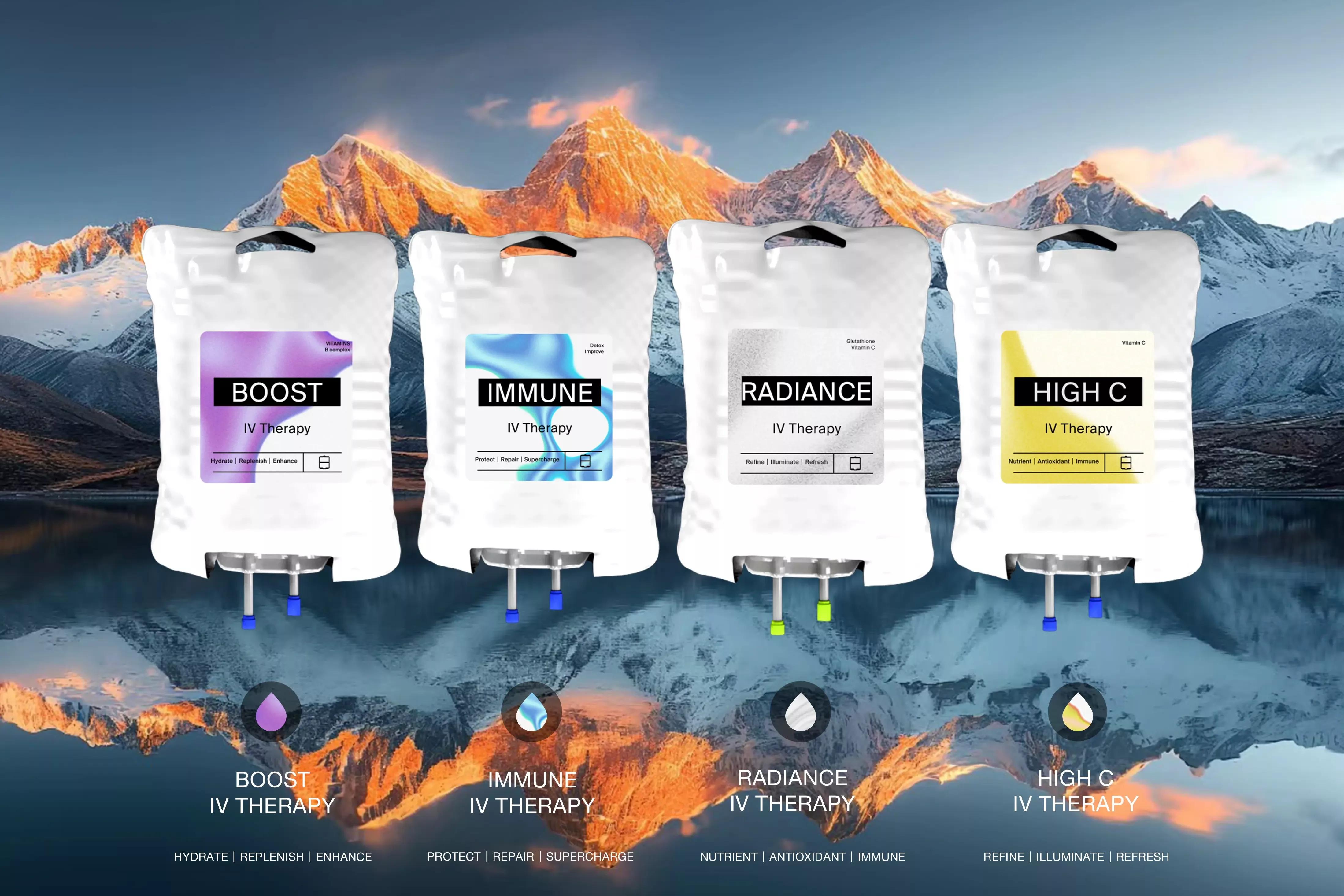
At BalaBala Laser Clinic, we offer IV Infusion Therapy designed to support energy, hydration, antioxidant defence and overall skin vitality. Our IV options include NAD+, Vitamin B Complex, and Glutathione + Vitamin C.
NAD+ may support cellular energy and recovery, Vitamin B Complex helps support general wellbeing and metabolism, while Glutathione + Vitamin C provides antioxidant support and may help brighten overall skin appearance. These treatments are not a replacement for anti-ageing devices or injectables, but they can complement a personalised plan for patients wanting to improve both how they look and how they feel.
Suitability is assessed during consultation to ensure the treatment is appropriate for your health, lifestyle and goals.
Understanding Facial Ageing by Layer: A Deeper Look at the Skin Barrier
Facial ageing is a multi-layered process involving:
- Skin (Epidermis): Thinning, dryness, pigmentation, and reduced cell turnover manifest here.
- Dermis: Loss of collagen and elastin causes decreased firmness and elasticity.
- Fat Pads: Volume diminishes and shifts downward, altering facial contours.
- SMAS (Superficial Musculoaponeurotic System): Ligament laxity leads to sagging and loss of structural support.
- Muscle: Changes in muscle tone affect dynamic wrinkles and facial expression.
Recognising which layers contribute to your ageing signs helps guide targeted treatments for comprehensive rejuvenation.
Expanded Multi-Layer Ageing Table: Targeted Treatments for Each Layer
Skin Layer | Ageing Change | Recommended Treatment |
|---|---|---|
Dermis | Collagen decline | Thermage FLX |
Pigmentation | Sun damage | PicoSure + Fotona StarWalker |
SMAS | Tissue descent | Ultherapy Prime or Ultraformer MPT |
Muscle | Loss of tone | EMFACE |
Collagen Regeneration | Structural decline | Sculptra / Ellansé / Gouri |
This table highlights how a multi-faceted approach, including non-invasive anti-ageing treatments such as Ultherapy Prime and Thermage FLX, is essential to address the complex ageing processes in your 40s by targeting different skin layers for lifting and tightening effects.
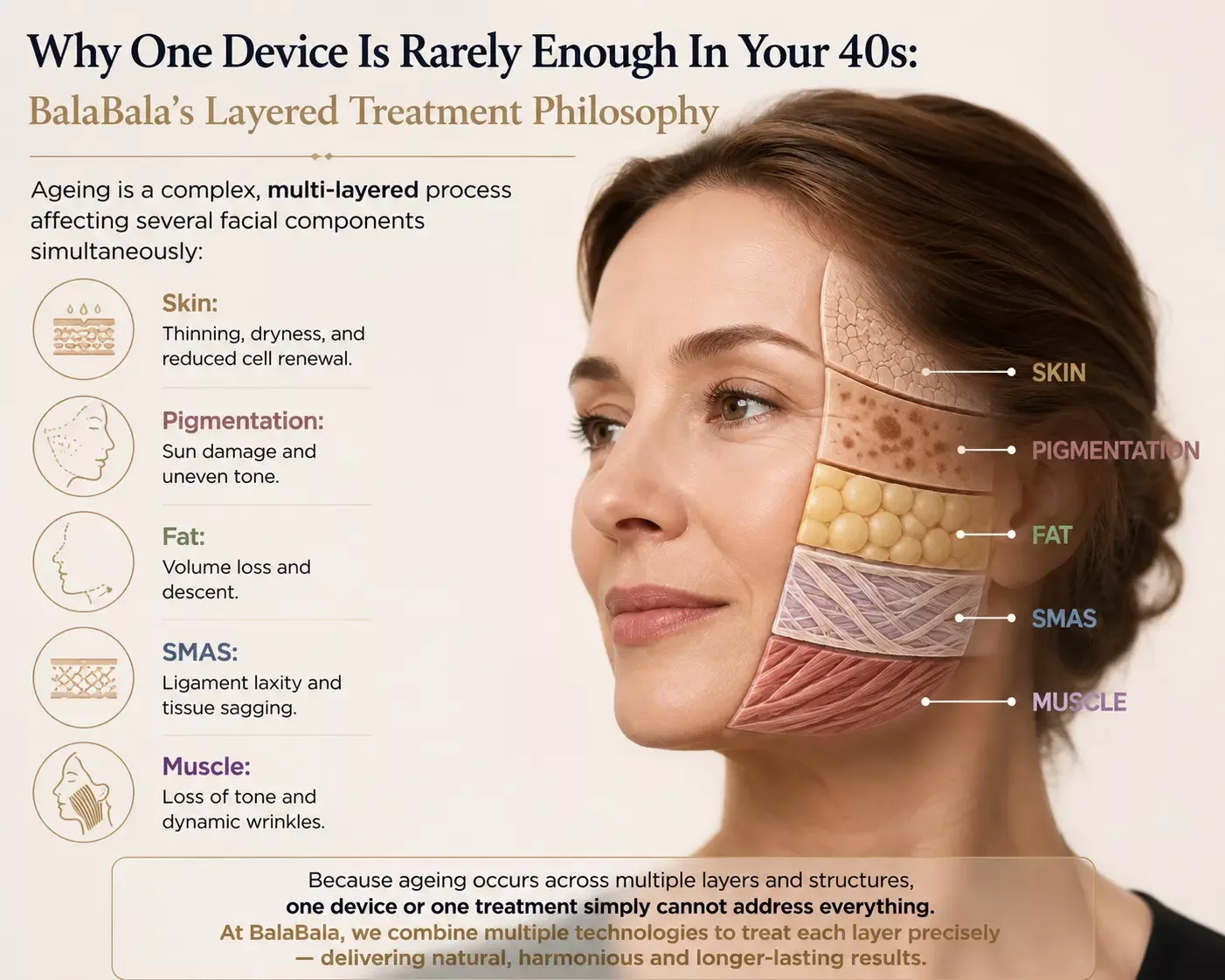
Why One Device Is Rarely Enough In Your 40s: BalaBala’s Layered Treatment Philosophy
Ageing is a complex, multi-layered process affecting several facial components simultaneously:
- Skin: Thinning, dryness, and reduced cell renewal.
- Pigmentation: Sun damage and uneven tone.
- Fat: Volume loss and descent.
- SMAS: Ligament laxity and tissue sagging.
- Muscle: Loss of tone and dynamic wrinkles.
Many clinics promote one device as the answer to every ageing concern simply because it is the only technology available in their clinic.
At BalaBala Laser Clinic, we believe the best treatment is not necessarily the newest treatment.
The best treatment is the treatment that targets the layer responsible for the concern.
For example:
- Pigmentation requires pigment-targeting technologies.
- Volume loss may require collagen regeneration.
- Sagging requires lifting technologies.
- Muscle decline may benefit from muscle stimulation.
Because ageing occurs across multiple layers, treatment selection should always be individualised.
This multi-device strategy ensures synergistic effects, delivering natural, long-lasting rejuvenation that addresses the root causes of ageing rather than just surface symptoms.
What Is the Best Anti-Ageing Treatment for Your 40s?
There is no single best treatment for anti-ageing in your 40s. The most effective approach depends on which ageing layer or concern is most prominent.
Concern | Best Treatment |
|---|---|
Pigmentation | |
Skin loss & texture | |
Sagging / Jowls | |
Muscle Support | |
Volume / Collagen Loss |
Combination therapy is often more effective because ageing in your 40s typically involves multiple layers simultaneously. A personalised treatment plan tailored to your unique ageing pattern delivers the most natural and long-lasting results.
Why BalaBala Laser Clinic Takes a Different Approach to Anti-Ageing
BalaBala Laser Clinic stands out in Adelaide for its premium, medical-grade approach to anti-ageing, built on over 10 years of clinical experience.
Key features include:
- 30-minute personalised consultation that thoroughly assesses your skin and ageing concerns.
- VISIA Skin Analysis for detailed evaluation of pigmentation, texture, pores, and wrinkles.
- Treatments are performed by Registered Nurses and experienced medical professionals, ensuring safety, precision, and clinical excellence.
- An advanced multi-device platform offering a comprehensive range of world-leading technologies.
- Not a one-device clinic—we select treatments based on the specific ageing layer causing your concerns.
- A personalised treatment plan combining lifting, collagen regeneration, pigmentation correction, and muscle support for natural-looking rejuvenation.
This philosophy ensures every client receives a tailored, evidence-based solution that addresses the complexity of ageing in your 40s.
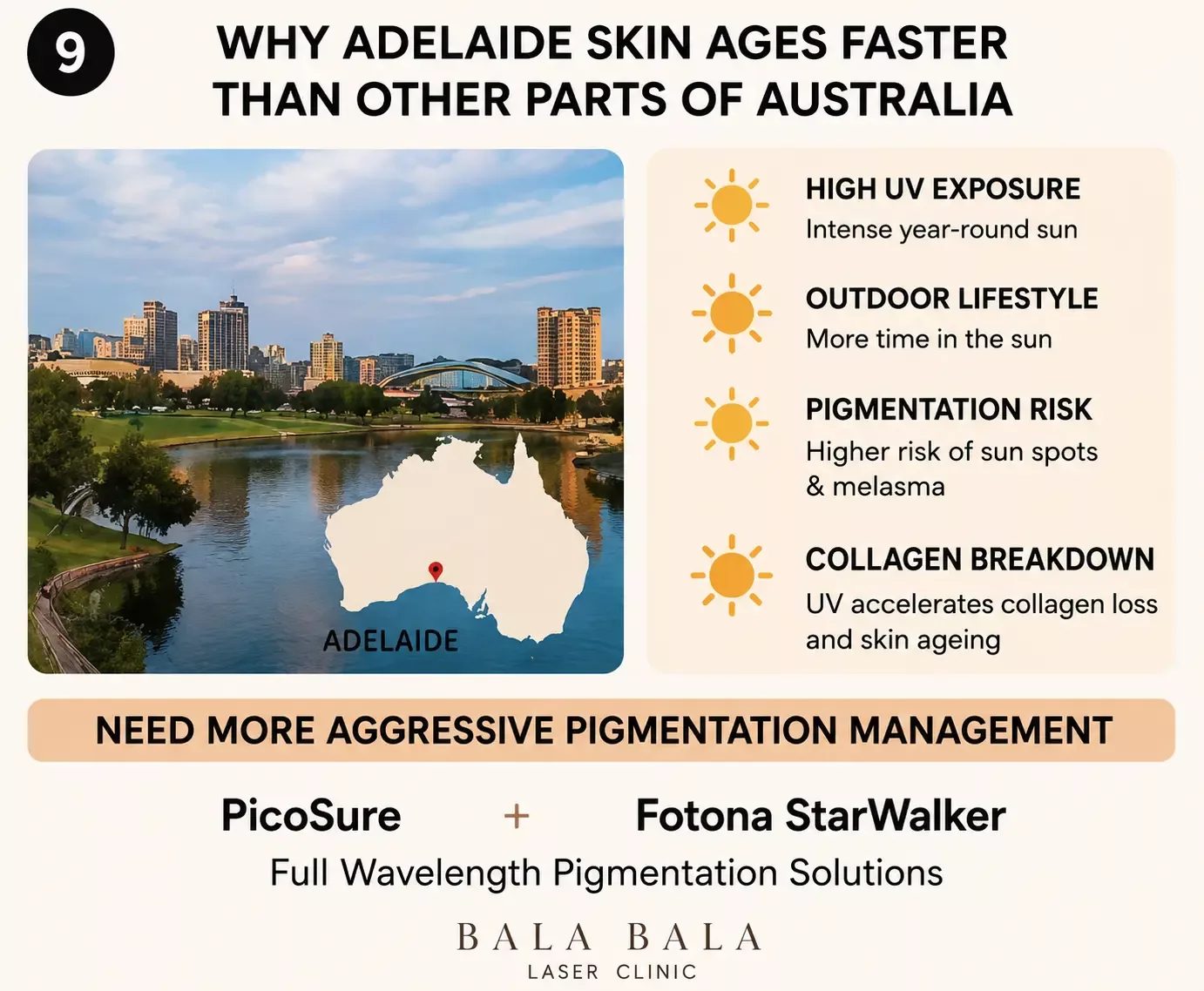
Why Adelaide Skin Often Ages Faster Than Other Parts of Australia
South Australia’s unique environment accelerates skin ageing, making targeted anti-ageing strategies essential for locals.
Contributing factors include:
- High UV Exposure: Adelaide experiences intense, year-round sun exposure, increasing photoageing risk.
- Outdoor Lifestyle: Active outdoor living amplifies cumulative UV damage.
- Pigmentation Issues: Conditions such as melasma and solar lentigines (sun spots) are common and worsen with sun exposure.
- Collagen Breakdown: UV radiation accelerates collagen degradation, leading to earlier skin laxity and wrinkles.
BalaBala Laser Clinic is Adelaide’s only full wavelength pigmentation clinic, equipped with advanced laser systems:
- PicoSure: Effectively targets superficial and deep pigment, ideal for melasma and sun spots.
- Fotona StarWalker: Offers multi-depth laser technology for comprehensive pigment correction and skin rejuvenation.
This combination allows precise, customised treatment of various pigmentation types and depths, restoring even skin tone and enhancing overall skin health.
Frequently Asked Questions
What happens to your face in your 40s?
In your 40s, the face undergoes significant structural and skin changes. Collagen and elastin production decline, leading to reduced skin firmness and elasticity. Fat pads diminish and descend, causing volume loss and sagging. Bone remodeling alters facial contours, and pigmentation issues like age spots become more visible. These changes result in wrinkles, fine lines, dullness, and loss of youthful facial shape.
Why do I suddenly look older at 40?
The sudden ageing appearance at 40 is due to deeper biological changes beyond surface skin. Volume loss from fat pad descent, weakening ligaments, collagen decline, and bone remodeling all contribute. These structural shifts cannot be fully addressed by skincare alone, making visible ageing more pronounced despite previous good skin habits.
What is the best anti-ageing treatment in your 40s?
There is no single best treatment; it depends on your primary ageing concerns. Pigmentation responds well to lasers like PicoSure, skin quality improves with Thermage FLX, sagging is addressed by Ultherapy Prime or Ultraformer MPT, muscle tone benefits from EMFACE, and volume loss is best treated with collagen stimulators like Sculptra. Often, a combination approach is most effective.
Are collagen stimulators better than fillers in your 40s?
Collagen stimulators are often preferred in your 40s because they promote natural collagen production, improving skin thickness and quality over time. Fillers provide immediate volume replacement but do not enhance tissue quality. BalaBala’s philosophy prioritises collagen regeneration before adding volume to achieve natural, long-lasting rejuvenation and avoid an overfilled look.
Can non-surgical treatments replace a facelift in your 40s?
Non-surgical treatments can effectively address many signs of ageing in your 40s, such as skin laxity, volume loss, and pigmentation, with minimal downtime. While they may not replicate the dramatic results of surgical facelifts, advances in technology and combination therapies at BalaBala Laser Clinic offer natural, youthful rejuvenation that delays or reduces the need for surgery.
What causes jowls in your 40s?
Jowls in your 40s are caused by the descent of facial fat pads, weakening of ligaments, collagen loss, and bone remodeling that reduces jawline definition. These factors combine to create sagging skin along the lower face and loss of a sharp jawline.
How do I choose between Thermage FLX, Ultherapy Prime and EMFACE?
Thermage FLX is ideal for improving skin texture and collagen in the dermis, reducing wrinkles and tightening skin. Ultherapy Prime targets deeper layers like the SMAS for lifting and tightening sagging tissues. EMFACE focuses on stimulating facial muscles to improve tone and firmness. Your choice depends on whether your primary concern is skin quality, sagging, or muscle support; often, combining these treatments yields the best results.
Key Takeaways: Anti-Ageing in Your 40s
Anti-ageing in your 30s focuses on prevention—maintaining skin health and protecting against damage. In your 40s, the emphasis shifts to correction, restoration, and regeneration due to deeper structural changes.
Key ageing changes include volume loss, facial descent, collagen decline, pigmentation, and skin laxity.
The best results usually come from personalised, multi-layer treatment planning that addresses the specific ageing layers involved.
BalaBala Laser Clinic’s comprehensive, medical-grade approach combines advanced technologies and expert care to deliver natural, long-lasting rejuvenation tailored to your unique needs in Adelaide’s high UV environment.
This strategic, multi-device philosophy ensures you age gracefully and confidently, with skin that reflects your vitality and health.