


Best Treatments for Dark Circles Under Eyes
Every plan is conservative, customised and performed by experienced Registered Nurses and medical professionals using advanced technology.
When to Seek Professional Help for Dark Circles
If circles under the eyes persist after 8–12 weeks of consistent self-care, or if under eye circles affect confidence, professional assessment is recommended. Seek prompt medical advice for sudden one-sided darkening, swelling, pain, trauma-related colour change or suspected medical problem.
For clients in Adelaide and South Australia, BalaBala Laser Clinic provides tailored treatment options to treat dark circles safely and naturally. Book a consultation to understand the cause of your dark circles and receive a personalised plan for brighter, healthier-looking eyes.
Treatments for Dark Circles Under Eyes
Dark circles under eyes can make the face appear tired, stressed or older even when you feel well. Because dark circles may be pigment-based, vascular, structural or mixed, the most effective care starts with identifying the cause before choosing treatment options.
Overview of Dark Circles Under the Eyes
Dark circles under the eyes present as persistent discoloration or shadowing that can affect the overall facial appearance and convey a tired or aged look. These circles may appear in shades of blue, purple, brown, or black, influenced by underlying causes such as pigmentation or vascular visibility. While typically a cosmetic concern rather than a medical problem, they can significantly impact confidence and self-perception. At BalaBala Laser Clinic in Adelaide, dark circles are evaluated within comprehensive non-invasive anti-ageing and skin rejuvenation strategies to deliver tailored solutions.
What Are Dark Circles Under Your Eyes?
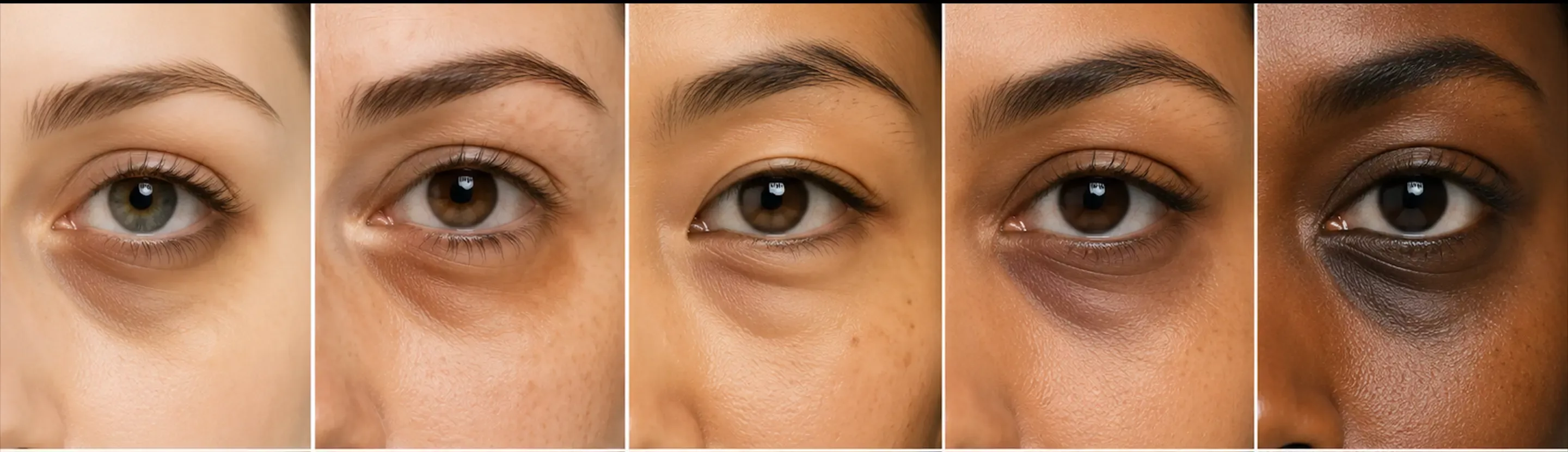
Under-eye circles refer to visible darkness, hollowness or shadowing beneath the lower eyelids. Clinically, infraorbital dark circles and periorbital hyperpigmentation can involve several overlapping changes in the under eye area:
- Pigmented dark circles: brown, grey or black tones from excess melanin and darker pigment.
- Vascular dark circles: blue, purple or grey tones from visible blood vessels or dilated blood vessels.
- Structural under eye circles: shadows from sunken eyes, thinner skin, tear trough hollows or eye bags.
- Texture-related eye circles: fine lines, puffy eyelids, crepiness and textural changes.
These dark eye circles may affect cosmetic reasons alone, but assessment is important if the appearance changes suddenly.
Who Gets Dark Circles Under the Eyes?
Dark circles affect adults of all genders, often becoming more noticeable from the 30s onward. People with genetic predisposition, inherited traits, naturally thinner skin, darker skin tones or a skin tone prone to more melanin may be more likely to develop circles under eyes.
In Adelaide, we commonly see eyes dark circles in professionals with high screen exposure, poor sleeping habits, frequent travel, hay fever, dehydration, stress, too much alcohol or other lifestyle factors. Natural ageing also contributes as the under-eye skin loses collagen and elasticity.
What Causes Dark Circles Under Eyes?
Dark circles are often caused by genetics, thinning skin, sun damage, or allergies. Effective management of dark circles requires matching the remedy to the specific root cause, which typically falls into three categories: hyperpigmentation, vascular pooling, or structural shadowing.
Common triggers include:
- sun exposure and external factors that increase pigmentation
- sleep deprivation, dehydration and fluid retention
- excessive rubbing, allergies and irritation
- volume loss in the tear trough
- puffy eyes and fluid pooling around the lower eyelids
Genetics, Skin Tone and Ageing
A hereditary tendency can manifest as increased pigmentation or deeper tear troughs visible from early adulthood. Genetics can play a significant role in the development of dark circles, with some individuals inheriting a predisposition to this condition.
Aging is one of the most common causes of dark circles, as the skin under the eyes thins and blood vessels become more visible over time. Pale skin may show bluish vascular shadows, while darker skin tones may develop brown pigmentation because they naturally contain more melanin. Lightening darker skin tones is not the aim; the goal is to reduce uneven darker pigment while preserving healthy skin.
For deeper genetics or significant volume loss causing dark circles, a consultation with a qualified clinic or dermatologist is recommended for advanced intervention.
Volume Loss, Tear Troughs and Facial Structure
Loss of midface fat and support creates hollows beneath the eyes that cast shadows, often mistaken for pigmentation. This infraorbital volume loss, whether from ageing or rapid weight changes, contributes significantly to the appearance of dark circles.
Cosmetic injectables, such as hyaluronic acid fillers, can be used to restore volume under the eyes, which may help diminish the appearance of dark circles. In a large blinded trial of hyaluronic acid filler for infraorbital hollows, 87.4% of treated patients achieved at least a one-point improvement at Month 3 versus 17.7% in controls, with many results maintained to 12 months or longer.
Pigmentation and Sun Exposure
Hyperpigmentation from melanin accumulation is a common contributor, especially in pigment-prone skin types. Excessive sun exposure can lead to hyperpigmentation, which may worsen the appearance of dark circles under the eyes. In South Australia, daily broad spectrum sunscreen, sunglasses and gentle skincare help prevent dark circles from becoming more persistent.
Topical Brighteners include ingredients like Vitamin C, niacinamide, and kojic acid that inhibit melanin production to fade brown or gray pigmentation. Vitamin C is a powerful antioxidant that can help brighten the under-eye area and protect against environmental stressors that exacerbate dark circles. Niacinamide, or vitamin B3, aids hydration and helps break down excess melanin, which can diminish the appearance of hyperpigmentation like dark circles. A suitable eye cream may also include ceramides and hyaluronic acid. Ceramides help support the skin moisture barrier and make the delicate skin around the eyes more resilient, reducing puffiness and discoloration. Hyaluronic acid is effective at preventing water loss in the skin, which can help counteract dullness and prevent a sunken appearance under the eyes.
Vascular Causes and Lifestyle Factors
Visible blood vessels and congestion under the eyes produce blue, purple, or grey discoloration. Sleep deprivation is a common cause of dark circles, as it can make the skin appear paler and highlight the blood vessels beneath the eyes. Dehydration can lead to dark circles, as it causes the skin to appear dull and the blood vessels underneath to become more prominent; drinking plenty of water supports skin resilience.
Home remedies for dark circles include applying cold compresses, which can help reduce inflammation and constrict blood vessels, leading to a lessening of dark circles. Home treatments excel at reducing temporary vascular swelling, hydrating thin skin, and gently brightening surface pigment. Caffeinated products temporarily constrict blood vessels to reduce bluish-purple shadows and under-eye puffiness. Caffeine constricts blood vessels under the eyes, reducing the visibility of dark circles and helping to correct undereye puffiness. Cucumber slices may soothe temporarily, but they do not correct deep pigmentation or hollowing.
Allergies, Irritation and Rubbing the Eyes
Chronic nasal allergies and sinus congestion can cause “allergic shiners,” darkening the under-eye area. Repeated rubbing or scratching damages the skin barrier and may trigger hyperpigmentation. Managing hay fever, eczema, contact dermatitis and harsh makeup removal is essential to manage dark circles long term. If swelling, pain or colour change appears suddenly, an underlying health condition should be excluded.
Professional Dark Circle Treatments at BalaBala Laser Clinic
BalaBala Laser Clinic offers personalised, evidence-based medical treatments and dark circle treatments that address the multifactorial nature of dark circles. Following a consultation and VISIA skin analysis, we assess pigment, vascular involvement, volume loss, puffy eyelids, eye bags and skin quality before recommending treatment.
Options may include laser therapy, cosmetic injectables, regenerative treatments, medical-grade skincare and selected chemical peels. Chemical peels, which may include ingredients like glycolic acid or retinoic acid, can be recommended by dermatologists to lighten dark pigmentation under the eyes.
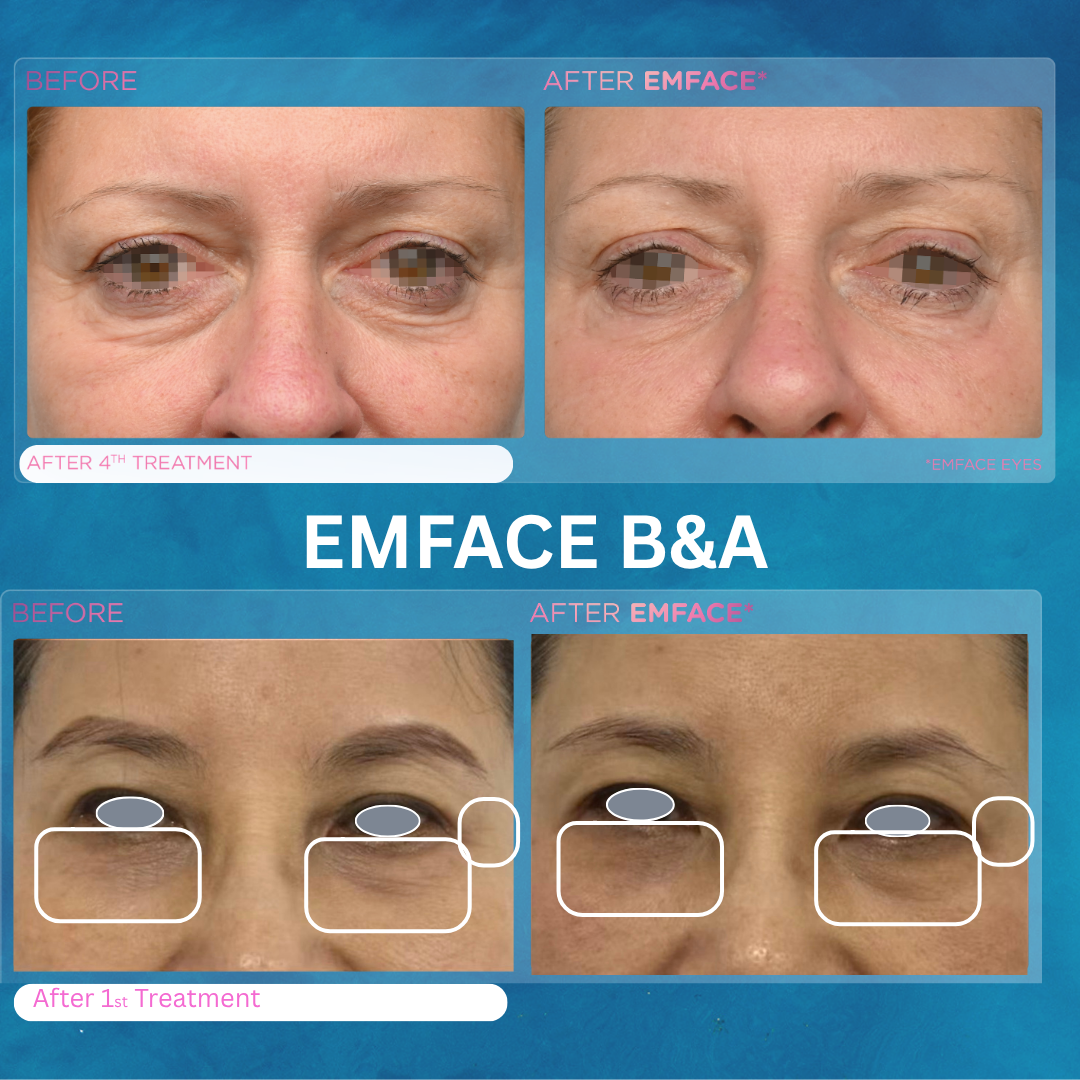
EMFACE (Eye Area)
The EMFACE Eye Applicator is a non-invasive treatment designed to rejuvenate the under-eye area by addressing fine lines, dark circles, puffiness, and under-eye bags.EMFACE Utilizing a combination of Synchronized Radiofrequency (RF) and High-Intensity Focused Electrical Stimulation (HIFES) technologies, this applicator targets both the skin and underlying muscles to enhance the periorbital region's appearance.
PRF (Platelet-Rich Fibrin)
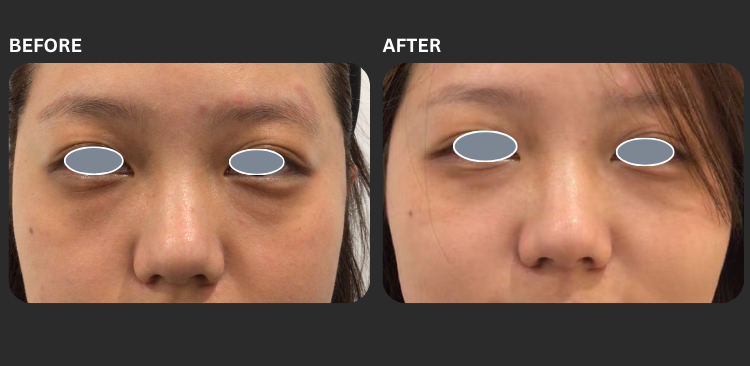
PRF therapy uses the patient’s own blood-derived growth factors to support skin repair, hydration and collagen stimulation. It is particularly useful where thinner skin, early ageing and mild hollowing contribute to circles under your eyes. A PRP evidence review reported improvement in periorbital hyperpigmentation, wrinkles.
Juvelook Skin
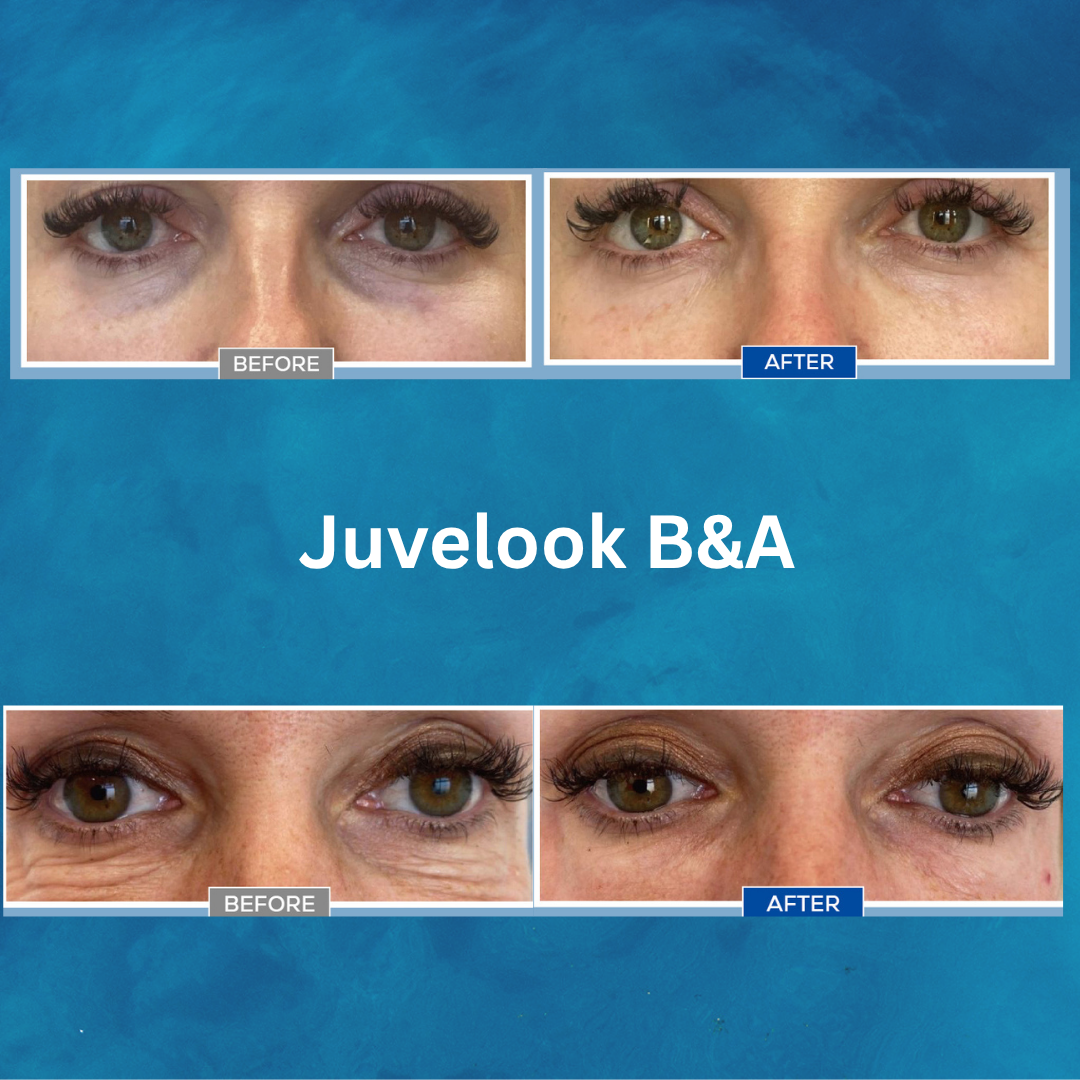
Juvelook Skin is a hybrid collagen-stimulating skin booster targeting crepey texture, fine lines and under-eye skin thinning. By improving hydration, elasticity and gradual collagen support, it may help reduce dark circles when poor skin quality and early hollowing are key contributors.
Rejuran Eye
Rejuran Eye uses polynucleotide-based regenerative injectables to repair and hydrate delicate skin in the undereye area. It is often selected for tired, dehydrated or ageing skin, especially when the treatment goal is smoother texture and stronger skin rather than dramatic volumising.
Fotona SmoothEye (Laser Eye Rejuvenation)
Fotona SmoothEye is a non-invasive laser treatment designed for the delicate eye area. Laser treatments are considered one of the most effective methods for reducing dark circles under the eyes, as they use heat energy to vaporize damaged cells and target darker pigments. Laser treatments use heat energy to vaporize damaged cells and target darker pigment under the eyes, which can help reduce the appearance of dark circles.
Non-invasive treatments for dark circles can include laser therapy, which stimulates collagen production and tightens the skin around the eyes. Fotona SmoothEye supports collagen formation, new collagen formation and elastin production, helping reduce fine lines and improve crepey texture with minimal downtime.
Can Dark Circles Be Removed Permanently?
Removing dark circles permanently depends on the cause. Pigmentation and structural shadowing can improve significantly with tailored treatment, but allergies, poor sleep, sun exposure and ageing can cause recurrence. To reduce dark circles long term, most patients need maintenance: broad spectrum sunscreen, consistent skincare, healthy sleep, allergy control and review treatments when required.
Realistic care aims to prevent dark circles worsening, improve appearance safely and maintain results without overcorrection.
How BalaBala Laser Clinic Designs Your Dark Circle Treatment Plan
Treatment begins with a detailed consultation and VISIA skin analysis to evaluate pigment, vascularity, volume, skin laxity, eye bags and facial balance. A mixed case may involve PicoSure or Fotona StarWalker for dark spots and pigmentation, Fotona SmoothEye for thin skin, injectable fillers for tear trough hollowing, and PRF, Juvelook Skin or Rejuran Eye for skin quality.
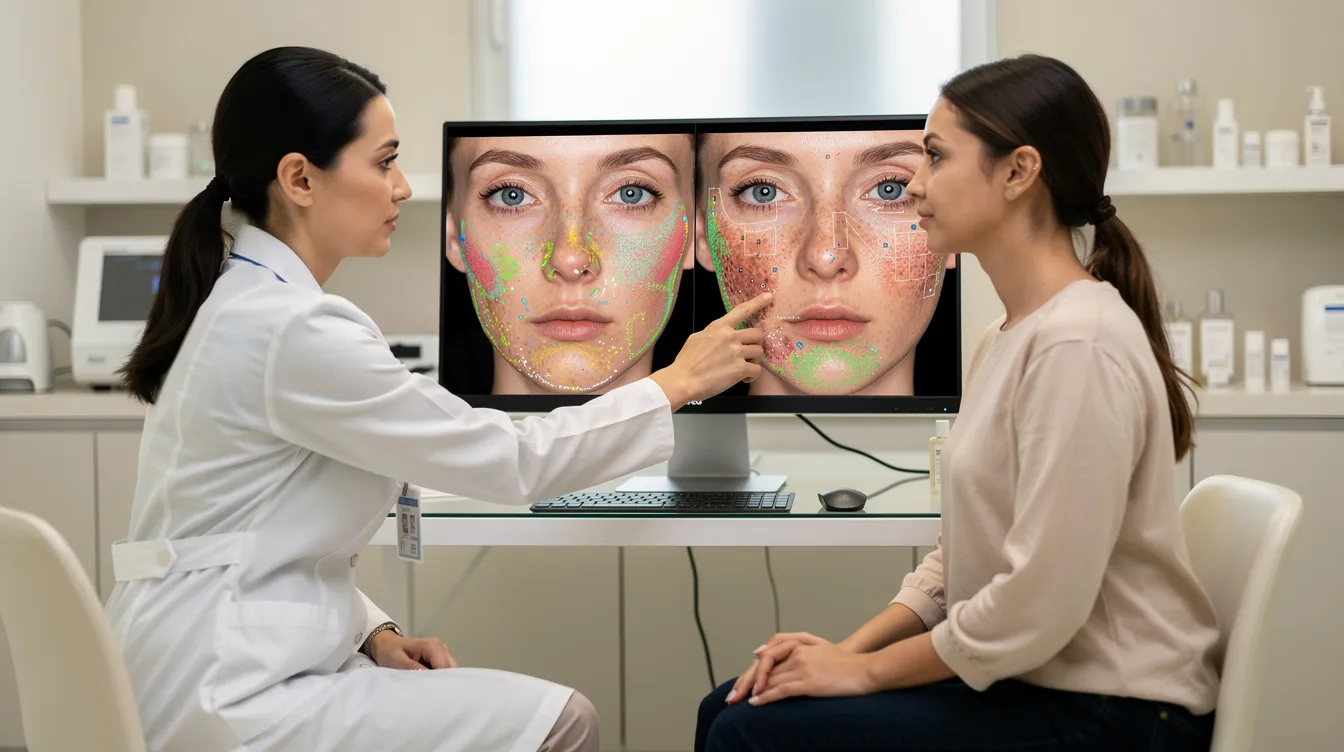
Every plan is conservative, customised and performed by experienced Registered Nurses and medical professionals using advanced technology.
Start Your Skin Journey Today
At BalaBala Laser Clinic, we understand that everyone's skin is unique. Our approach to skincare starts with a complimentary 30 minute consultation. During your first visit, we will have a conversation about your skin, any concerns that you have and your desired results. This helps us to create a personalised treatment plan that considers your treatment preferences, budget and desired results. Our ultimate goal is for your to feel comfortable and confident with your decisions.
Book your free skin consultation
Frequently Asked Questions - Dark Circle Treatments
Can dark circles return after treatment?
Although our treatments can deliver long-lasting results, factors such as genetics and lifestyle may influence their recurrence. Our staff can give you guidance on how to maintain your results after your treatment.
How long do the effects of dark circle treatments usually persist?
The longevity of your treatment results will depend on your current skin condition, skin maintenance and other lifestyle factors mentioned above. Tear trough filler is usually quite long lasting and can last for up to nine months, sometimes longer in some individuals. After a full treatment course of Fotona Smooth Eye laser, results can last up to twelve months, after which maintenance treatments can be done to prolong your results. Again, everyone's skin is different and results will vary between individuals.
If you enjoyed this article, please checkout our guide for the Best Treatments for Double Chin Reduction