


Freckles vs Sunspots vs Age Spots: How to Tell the Difference Before Treatment
Small brown marks on the face, hands or décolletage are often grouped together as “pigmentation,” but they are not necessarily the same condition. A freckle that becomes more noticeable each summer can behave very differently from a persistent solar lentigo, while a patch of melasma requires a much more cautious approach than either.
This distinction matters before IPL or laser treatment. The colour, pattern, depth, skin type and behaviour of a pigmented mark all influence whether it should be treated, which technology may be suitable and how conservatively treatment should be planned.
At BalaBala Laser Clinic in Adelaide, pigmentation assessment begins with a consultation and VISIA Skin Analysis. The aim is not simply to choose the strongest device. It is to identify the likely pigment pattern, exclude features that need medical assessment, and select an approach that is appropriate for the individual skin type.
Key Takeaways
- Freckles, or ephelides, are usually small, genetically influenced marks that darken with ultraviolet exposure and may fade during winter.
- Sunspots and age spots usually refer to solar lentigines: persistent, flat brown marks caused by cumulative ultraviolet exposure.
- “Age spot” is a common name, not a precise diagnosis. These marks can appear before older age, particularly after significant sun exposure.
- Melasma, post-inflammatory hyperpigmentation, moles and some skin cancers can be mistaken for cosmetic sun damage.
- A new, changing, irregular, bleeding or persistently crusting spot should be medically assessed before cosmetic treatment.
- IPL, PicoSure and Fotona StarWalker can each have a role, but no single device is automatically best for every brown mark or every skin tone.
What Do Freckles, Sunspots and Age Spots Have in Common?
All three terms describe visible areas of increased pigmentation. Melanin is the pigment that contributes to skin colour and helps the skin respond to ultraviolet exposure. When melanin becomes concentrated in particular areas, the skin may develop flat tan, brown or grey-brown marks.
The important difference is why the pigment has appeared and how the mark behaves over time.
Freckles are strongly influenced by genetics and often change with the seasons. Solar lentigines reflect cumulative ultraviolet exposure and usually persist. Other conditions, including melasma and post-inflammatory hyperpigmentation, arise through different biological pathways and do not always respond safely to the same treatment settings.
What Are Freckles?
True freckles are medically known as ephelides. They commonly appear on sun-exposed areas such as the nose, cheeks, shoulders, arms and upper chest.
Freckles are often associated with fair skin and certain MC1R gene variants, although they can occur across different ethnic backgrounds. In an ephelis, the number of melanocytes is generally normal, but those cells produce more melanin. Ultraviolet exposure stimulates this activity, which is why freckles often become darker or more numerous during summer and may fade during winter.
Typical features include:
- small, flat tan or light-brown marks;
- a tendency to appear in groups;
- increased visibility after sun exposure;
- partial fading during periods of lower ultraviolet exposure;
- common distribution across the nose, cheeks and other exposed areas.
Freckles are usually harmless. However, having freckled, sun-sensitive skin can also indicate greater susceptibility to ultraviolet damage, making daily sun protection and routine skin checks particularly important.
What Are Sunspots?
“Sunspot” is a common term rather than a single medical diagnosis. In cosmetic skin care, it usually refers to a solar lentigo: a flat, well-defined area of brown pigmentation that develops after repeated ultraviolet exposure.
Unlike freckles, solar lentigines usually do not fade significantly during winter. They can gradually become more noticeable or increase in number over time.
They commonly appear on areas that receive years of cumulative sun exposure, including:
- the face and temples;
- the backs of the hands;
- the forearms;
- the shoulders;
- the neck and décolletage.
Solar lentigines are generally benign, but a visual assessment cannot guarantee that every brown mark is harmless. A clinician should not laser an uncertain lesion simply because it resembles a sunspot.
Are Age Spots and Sunspots the Same Thing?
In most cosmetic conversations, “age spots,” “sunspots” and “liver spots” are different names for solar lentigines. They are not caused by the liver, and they are not limited to older adults.
Age is associated with them because cumulative ultraviolet exposure increases over time. Someone who has spent many years outdoors, experienced repeated sunburn or used tanning devices may develop solar lentigines earlier.
Therefore, the more accurate term is usually sun-induced pigmentation or solar lentigines rather than simply “age spots.”
Freckles vs Sunspots vs Age Spots: The Main Differences
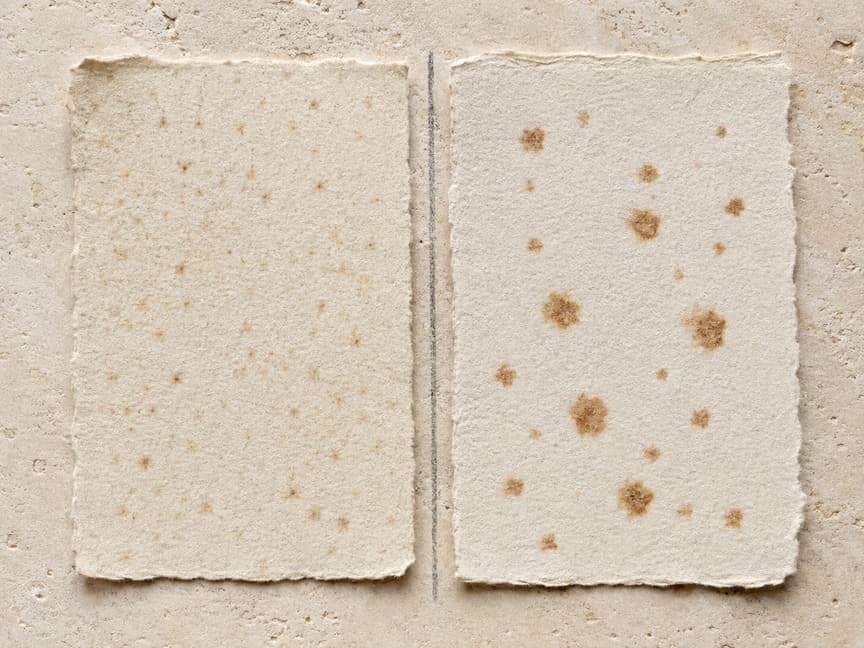
Editorial pattern study: fine seasonal freckles compared with larger, persistent solar lentigines.
Feature | Freckles (Ephelides) | Sunspots / Age Spots (Solar Lentigines) |
Main influence | Genetics plus ultraviolet exposure | Cumulative ultraviolet exposure |
Typical appearance | Small, scattered tan or light-brown spots | More defined tan-to-brown macules or patches |
Seasonal change | Often darken in summer and fade in winter | Usually remain visible throughout the year |
Common age pattern | Often begin in childhood or adolescence | More common with increasing cumulative sun exposure |
Common locations | Nose, cheeks, shoulders, arms | Face, hands, forearms, shoulders, décolletage |
Treatment behaviour | May lighten, but can return with ultraviolet exposure | May respond to targeted treatment, but new lesions can develop |
This comparison is useful as a guide, but it is not a substitute for diagnosis. Pigmented lesions can overlap in appearance, especially after years of sun exposure.
Why Correct Assessment Matters Before Laser or IPL
Cosmetic pigmentation treatment works by delivering light or laser energy that is absorbed by pigment. If the mark has been incorrectly identified, the treatment may be ineffective, may aggravate the condition or may delay appropriate medical care.
Several conditions can resemble freckles or sunspots:
Melasma
Melasma usually presents as broader, often symmetrical brown or grey-brown patches on the cheeks, forehead or upper lip. It can be influenced by ultraviolet radiation, visible light, heat, hormones, pregnancy and some medications. Melasma is a chronic, trigger-responsive condition and should not be treated like a collection of isolated sunspots.
Post-Inflammatory Hyperpigmentation
Post-inflammatory hyperpigmentation can develop after acne, eczema, picking, burns, procedures or other inflammation. It is especially common and persistent in deeper skin tones. Aggressive treatment can create more inflammation and worsen the pigmentation.
Seborrhoeic Keratoses and Moles
Some raised, textured or sharply pigmented lesions may be seborrhoeic keratoses, melanocytic naevi or another type of lesion. Their management is different from that of freckles or solar lentigines.
Suspicious or Changing Lesions
Australia has a high burden of skin cancer. Cosmetic treatment should be delayed if a lesion shows potential warning signs of skin cancer, including being new, changing, asymmetrical, irregular in colour or border, persistently itchy, bleeding, ulcerated or repeatedly crusting. The lesion should first be assessed by a GP, dermatologist or appropriately qualified skin-cancer clinician.
Laser and IPL are cosmetic treatments; they are not substitutes for a skin-cancer examination.
Which Treatments May Help Freckles, Sunspots and Age Spots?
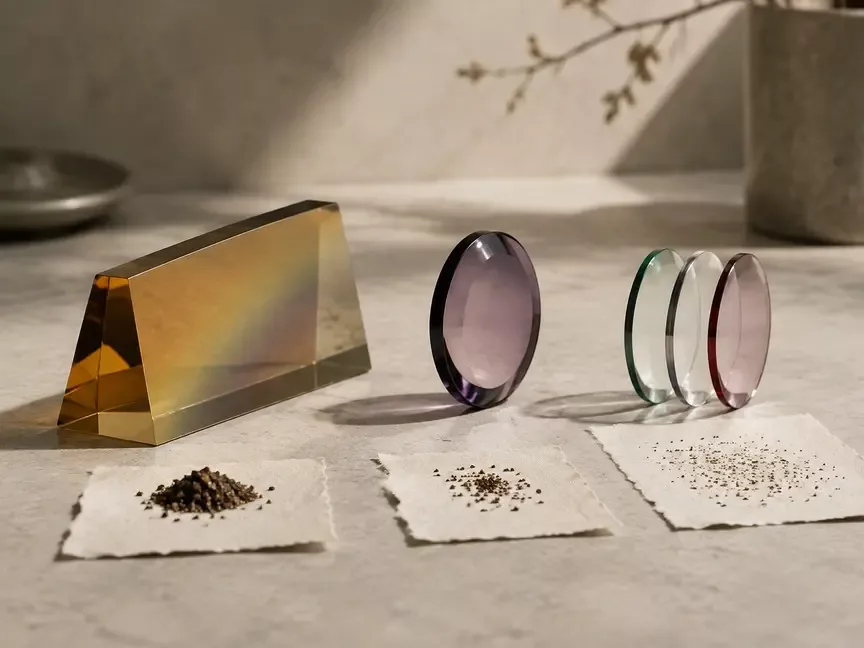
Treatment selection depends on pigment type, depth, skin tone and risk—not on a single device being universally “best”.
The most suitable option depends on the type and depth of pigmentation, the size and number of marks, the treatment area, recent sun exposure, Fitzpatrick skin type, previous reactions and whether redness or other concerns are present at the same time.
At BalaBala, access to PicoSure, Fotona StarWalker and Icon IPL allows the treatment plan to be selected around the pigment pattern rather than forcing every concern into one device.
Icon IPL for Diffuse Freckles and Sun Damage
Intense Pulsed Light uses a spectrum of light rather than one fixed laser wavelength. In suitable lighter skin types, melanin in superficial freckles and sunspots absorbs the light energy. Treated spots may temporarily darken before gradually flaking or fading.
Icon IPL may be considered when:
- superficial freckles or sunspots are distributed across a larger area;
- the skin also has diffuse redness or visible vessels;
- overall photodamage and uneven tone are part of the concern;
- the skin tone and recent sun-exposure history are suitable for IPL.
IPL is generally best suited to lighter skin tones because background epidermal melanin also absorbs light. It is not automatically appropriate for recently tanned skin, deeper Fitzpatrick skin types or unstable melasma.
PicoSure for Selected Benign Pigmented Lesions
PicoSure uses 755 nm picosecond energy to create a rapid photomechanical effect within selected pigment. It may be used for appropriate freckles, sunspots, age spots and other benign pigmented lesions after assessment.
PicoSure may be considered when:
- individual spots need more precise targeting;
- pigment is suitable for a 755 nm wavelength;
- previous treatment history and skin type support its use;
- the clinician wants to minimise unnecessary exposure of surrounding tissue.
Picosecond technology does not make every treatment risk-free. Darker skin tones, melasma-prone skin and clients with previous post-inflammatory hyperpigmentation still require conservative settings, careful preparation and realistic expectations.
Fotona StarWalker for a Multi-Wavelength Approach
Fotona StarWalker is a multi-wavelength platform with 1064 nm, 532 nm, 585 nm and 650 nm options. Different wavelengths and pulse modes can interact with different colours and depths of pigment.
For cosmetic pigmentation, the 532 nm and 1064 nm wavelengths may be selected for different benign epidermal or deeper pigment patterns. The extra wavelength options do not mean that every wavelength is used in every appointment. They give the clinician a broader set of tools for individualised planning.
Fotona StarWalker may be considered when:
- pigment appears mixed in depth or pattern;
- isolated and diffuse pigmentation require different treatment approaches;
- a wavelength other than 755 nm is more suitable for the identified pigment;
- previous pigmentation treatment has produced an incomplete response.
Skincare and Chemical Peels
Not every pigmentation plan needs to begin with a device. Daily ultraviolet protection, barrier-supportive skincare and selected pigment-regulating ingredients can help reduce re-darkening and support treatment outcomes. Superficial chemical peels may have a role for selected uneven tone or post-inflammatory marks, but they also need to be matched to the skin type and barrier condition.
Is One Treatment Better Than the Others?
There is no universal “best laser” for all pigmentation. BalaBala’s pigmentation treatment comparison explains the broader differences between PicoSure, Fotona StarWalker, IPL and peels; this guide focuses specifically on distinguishing freckles from solar lentigines before treatment.
For example:
- diffuse superficial freckles plus redness may favour Icon IPL in an appropriate lighter skin type;
- a small number of defined benign spots may suit precise PicoSure treatment;
- mixed or resistant pigment may benefit from the broader wavelength options available with Fotona StarWalker;
- melasma-prone, inflamed or deeper skin may need a slower plan based on trigger control, skincare and conservative energy settings;
- a suspicious lesion should not be treated cosmetically at all until it has been medically assessed.
The correct decision is based on diagnosis and risk, not which device is marketed as the most powerful.
What Happens During a Pigmentation Consultation at BalaBala?
A pigmentation consultation at BalaBala Laser Clinic may include:
- Review of how and when the pigmentation developed.
- Discussion of sun exposure, tanning, hormonal history, medications, previous treatments and post-inflammatory pigmentation.
- Assessment of skin tone and Fitzpatrick skin type.
- VISIA Skin Analysis to document visible and underlying pigmentation patterns.
- Identification of any lesions that should be referred for medical assessment before cosmetic treatment.
- Selection of a treatment pathway using PicoSure, Fotona StarWalker, Icon IPL, skincare or a staged combination where appropriate.
- Clear discussion of expected downtime, risks, maintenance and the possibility of recurrence.
VISIA imaging can support treatment planning and progress tracking, but it does not diagnose skin cancer. Suspicious lesions still require an appropriate medical examination.
What Can You Expect After Treatment?
The immediate response depends on the technology, settings and individual skin.
Possible short-term changes include:
- redness, warmth or mild swelling;
- temporary darkening of treated freckles or sunspots;
- fine crusting or a dry, peppered appearance;
- gradual flaking over several days;
- temporary sensitivity to skincare products.
Treated pigment should not be scratched, scrubbed or picked. The skin barrier should be supported with gentle products, and direct ultraviolet exposure should be minimised according to the aftercare instructions provided.
Potential adverse effects can include burns, prolonged redness, blistering, infection, post-inflammatory hyperpigmentation, hypopigmentation and scarring. Careful assessment and conservative settings reduce risk but cannot remove it completely.
How Many Sessions Will You Need?
There is no responsible way to determine a treatment number from the name “age spot” alone.
The number of sessions depends on:
- whether the marks are true freckles, solar lentigines or another type of pigmentation;
- the depth, colour and density of pigment;
- the treatment area;
- skin type and sensitivity;
- recent ultraviolet exposure;
- previous treatment response;
- how conservative the settings need to be.
Some selected superficial lesions may show noticeable change after one treatment, while diffuse, mixed or recurrent pigmentation may need a staged plan. Results vary, and complete clearance cannot be guaranteed.
Can Freckles and Sunspots Return?
Yes. Treatment can reduce visible pigment, but it does not remove a person’s genetic tendency to freckle or erase future ultraviolet exposure.
Freckles may darken again after sun exposure. Successfully treated solar lentigines can also recur, and new lesions may develop in surrounding sun-damaged skin. Maintenance is therefore based as much on ultraviolet protection as on the device used.
How to Reduce New Pigmentation After Treatment
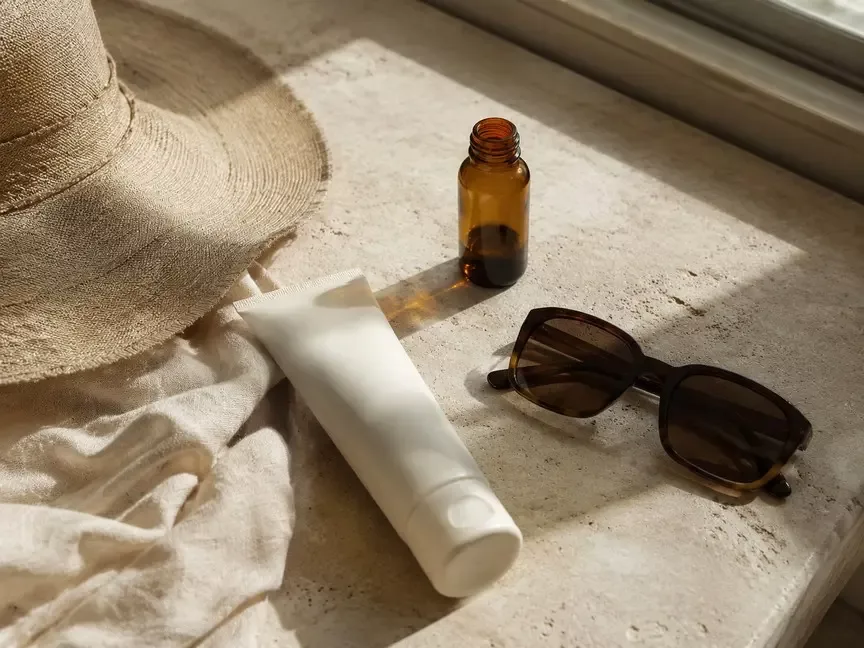
Daily sun protection is part of pigmentation management before and after treatment.
Cancer Council Australia recommends broad-spectrum SPF 50 or SPF 50+ sunscreen as part of a complete sun-protection strategy. Sunscreen should not be the only protection used. The Therapeutic Goods Administration’s sunscreen guidance can also help consumers check product labelling and select an appropriate sunscreen.
Helpful measures include:
- applying an adequate amount of broad-spectrum SPF 50 or SPF 50+ sunscreen;
- reapplying according to the product directions, especially after sweating, swimming or towelling;
- wearing a broad-brimmed hat, sunglasses and protective clothing;
- using shade and reducing exposure during high-ultraviolet periods;
- avoiding deliberate tanning and solariums;
- following the recommended pigment-control and barrier-supportive skincare plan;
- postponing light or laser treatment if the skin is freshly tanned or sunburnt.
Why Choose BalaBala for Pigmentation Assessment in Adelaide?
BalaBala Laser Clinic focuses on personalised pigmentation planning rather than applying one standard treatment to every brown mark.
Our approach includes:
- consultation and VISIA Skin Analysis before treatment planning;
- access to PicoSure 755 nm, Fotona StarWalker multi-wavelength laser technology and Icon IPL;
- assessment of pigment pattern, depth, skin type, treatment history and post-inflammatory pigmentation risk;
- conservative planning for melasma-prone and pigmentation-prone skin;
- staged treatment and skincare recommendations rather than promises of permanent clearance;
- clear referral for medical assessment when a lesion is unsuitable for cosmetic treatment.
This multi-device approach allows the treatment to be selected for the identified concern instead of recommending a device simply because it is available.
Frequently Asked Questions
Are freckles and sunspots the same?
No. True freckles, or ephelides, are genetically influenced, often begin earlier in life and commonly darken with ultraviolet exposure before fading during winter. Sunspots usually refer to solar lentigines caused by cumulative ultraviolet exposure, and they tend to persist throughout the year.
Are age spots caused by ageing?
Age spots are more accurately described as solar lentigines. They become more common with age because ultraviolet damage accumulates over time, but they can occur in younger adults with significant sun exposure.
What is the best laser for freckles?
The best option depends on skin type, freckle pattern, depth, recent sun exposure and pigmentation risk. Icon IPL, PicoSure or Fotona StarWalker may each be appropriate in different situations. A consultation is needed before choosing a device.
Can IPL remove sunspots?
IPL can help selected superficial sunspots and freckles, particularly when they are spread over a larger area and the client has a suitable lighter skin tone. It may not be appropriate for deeper pigmentation, darker or recently tanned skin, or unstable melasma.
Can laser permanently remove age spots?
Treatment may significantly reduce selected benign solar lentigines, but permanent clearance cannot be promised. A treated lesion may recur, and new marks can develop with future ultraviolet exposure.
Is pigmentation treatment safe for darker skin?
Some laser options can be used in deeper skin tones, but risk assessment and treatment selection are especially important because post-inflammatory hyperpigmentation and hypopigmentation can occur. IPL is generally more limited in darker skin. A clinician may recommend conservative laser settings, skincare preparation, test spots or a non-device approach.
Can melasma be treated like freckles?
Usually not. Melasma is a chronic, trigger-responsive condition and can worsen with heat, irritation or overly aggressive treatment. It requires a more conservative management plan.
Can freckles and sunspots be treated on the hands or chest?
Selected benign pigmentation on the hands, forearms, shoulders or décolletage may be treatable. These areas can respond differently from facial skin, so settings, downtime and sun exposure need separate consideration.
When should I see a doctor about a brown spot?
Seek medical assessment if a spot is new, changing, asymmetrical, irregular in colour or border, raised in a new way, persistently itchy, bleeding, ulcerated or repeatedly crusting. Do not use laser or IPL to remove an uncertain lesion before it has been assessed.
Book a Pigmentation Consultation in Adelaide
If you are unsure whether the marks you see are freckles, sunspots, age spots, melasma or post-inflammatory pigmentation, begin with an assessment rather than choosing a laser online.
Book a pigmentation consultation with BalaBala Laser Clinic in Adelaide for VISIA Skin Analysis and a personalised pigmentation plan using PicoSure, Fotona StarWalker, Icon IPL and supportive skincare where appropriate. General information only. Suspicious or changing lesions require medical assessment before cosmetic treatment.
Sources for Clinical Review
- DermNet. Ephelis (freckles): https://dermnetnz.org/topics/e...
- DermNet. Solar lentigo: https://dermnetnz.org/topics/s...
- Cancer Council Australia. Check for signs of skin cancer: https://www.cancer.org.au/canc...
- Cancer Council Australia. Sunscreen fact sheet: https://www.cancer.org.au/abou...
- Therapeutic Goods Administration. How to choose a sunscreen: https://www.tga.gov.au/resourc...
- Cynosure. PicoSure: https://www.cynosure.com/produ...
- Fotona. StarWalker MaQX: https://www.fotona.com/us/Prod...