
Brighter, More Radiant Skin
Helps lift dullness for a fresher, more luminous complexion.


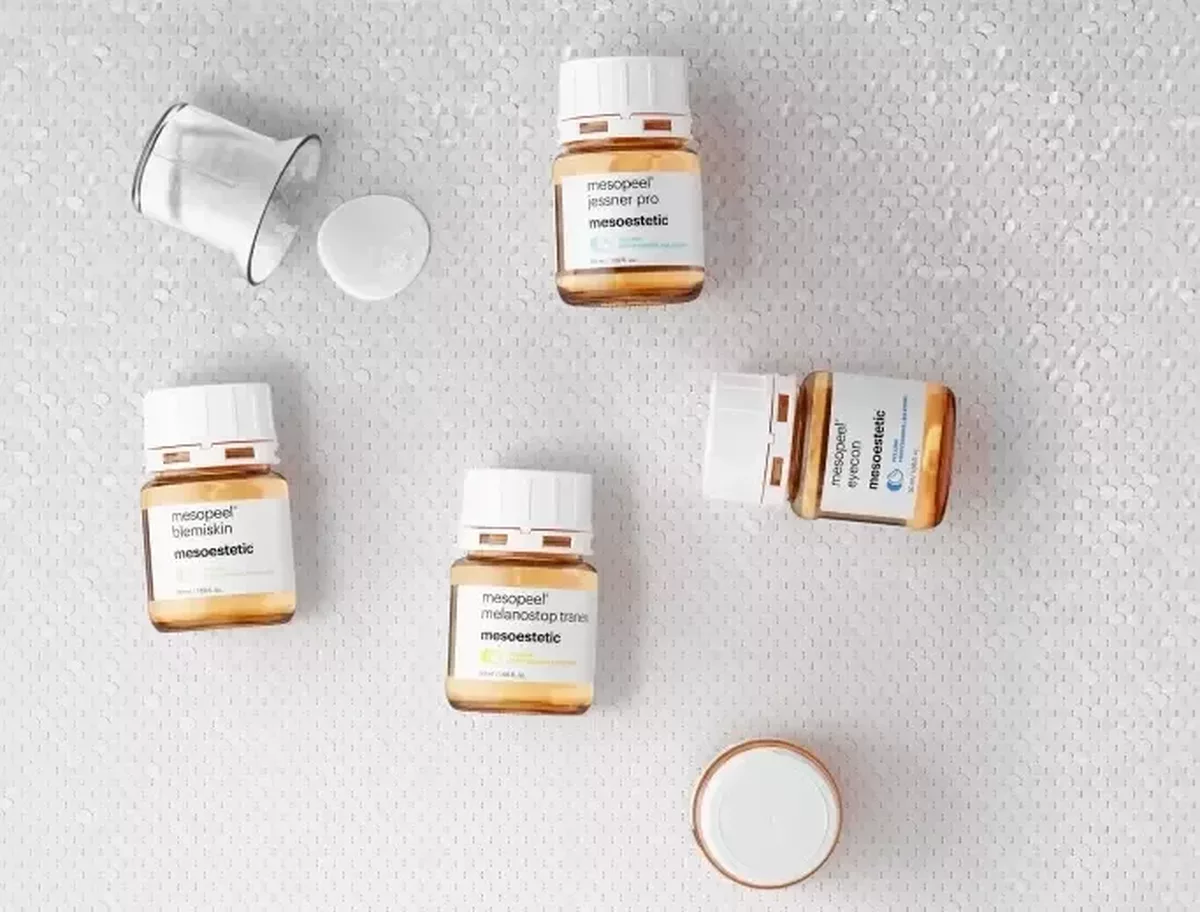
mesoestetic
PEELING PROFESSIONAL SOLUTIONS
A chemical peel uses targeted exfoliating acids to gently remove the outer layers of the skin and accelerate cell renewal — revealing brighter, smoother, fresher-looking skin underneath. At BalaBala Laser Clinic Adelaide, we offer a professional range of peels (including the mesoestetic® Mesopeel® range), tailored to your skin type and concerns at consultation.



mesopeel® is an advanced range of professional chemical peels designed for the aesthetic industry, offering high-quality, reliable, and effective solutions for a wide range of skin concerns.
These treatments work by gently exfoliating the outer layers of the skin, accelerating the natural process of skin cell turnover. As new, healthy skin cells are revealed, the skin appears brighter, smoother, and more radiant.
mesopeel® chemical peels are specially formulated to target common concerns such as:
By stimulating skin renewal, these peels help improve overall skin clarity, enhance luminosity, and restore a firmer, more refreshed appearance.
At BalaBala Laser Clinic, we use a range of clinically proven exfoliating acids, including glycolic acid, lactic acid, and salicylic acid, selected based on your individual skin type and concerns.
Our experienced practitioners will assess your skin during consultation and recommend the most suitable formulation to ensure safe, effective, and personalised results.
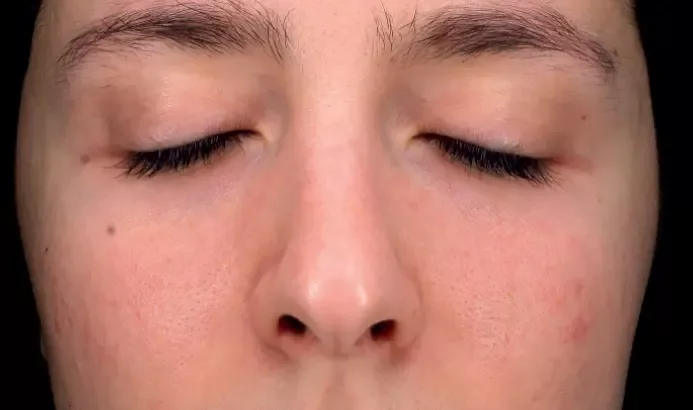
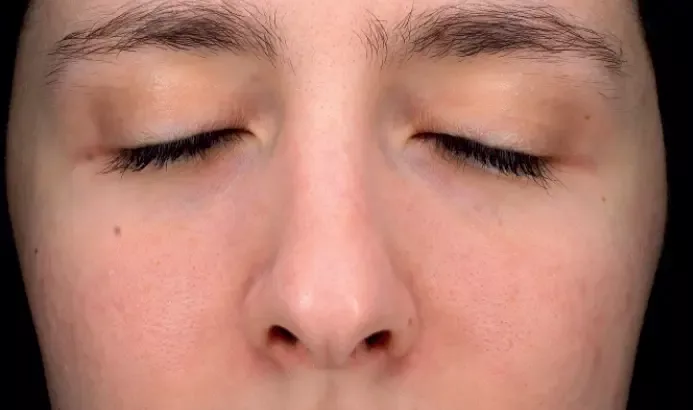
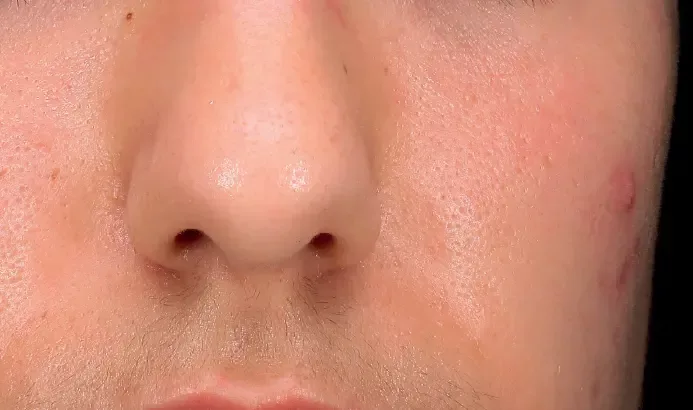
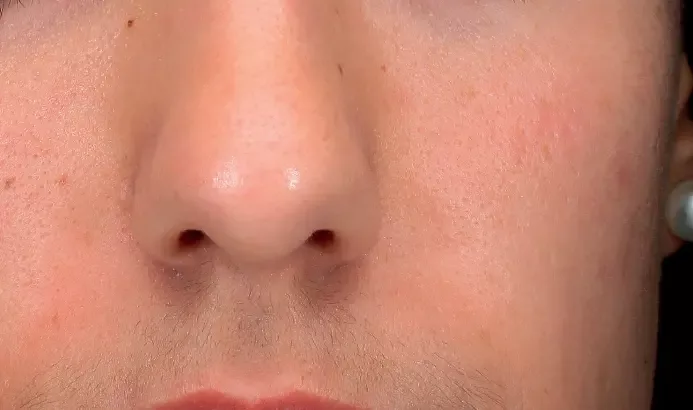
Your therapist uses VISIA Skin Analysis to assess your suitability, explains the treatment process, and designs a personalised treatment plan based on your needs.
A customised blend of medical-grade acids is applied to gently exfoliate the skin, remove dead cells, and stimulate new cell renewal. This controlled peeling process reveals a brighter, smoother complexion while improving tone, texture, and overall radiance.
Getting the best from your peel depends in part on how closely you follow your pre- and post-treatment advice — we'll give you clear, simple instructions.
To achieve the best and long-lasting results, our therapists design a personalised treatment plan based on your individual needs. They will also regularly review your progress and adjust the plan as needed to ensure optimal outcomes.
To achieve the best results and minimise risks, it’s important to follow these pre-treatment guidelines:
Before a chemical peel, you will need to:
Treatment typically takes 45 minutes, with no downtime allowing you to return to your daily routine immediately.
How much does Chemical peels cost in Adelaide?
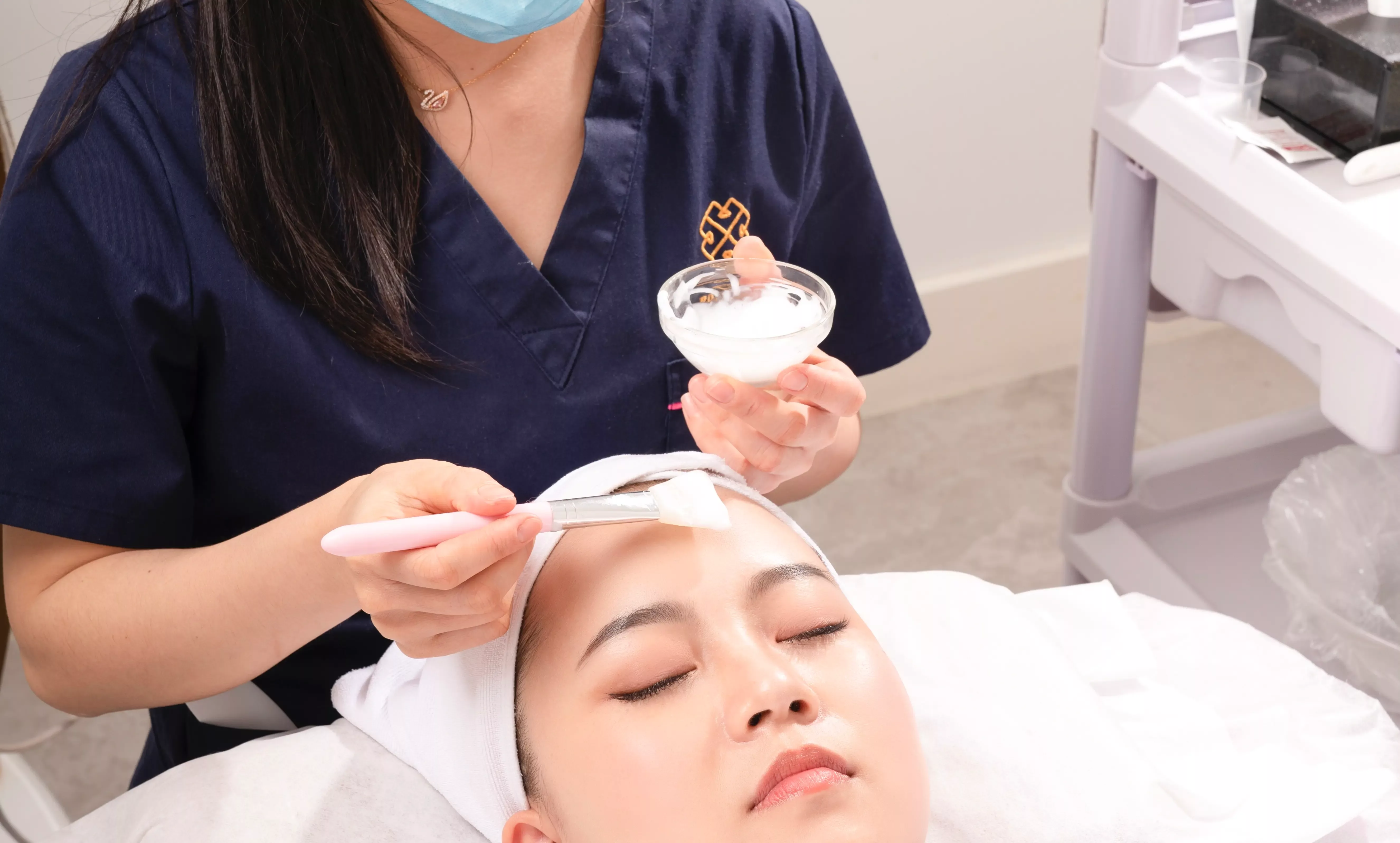
All skin types can benefit from chemical peels. Based on your skin type and skin concerns, our skin experts will recommend a chemical peel to suit your skin’s needs. Chemical peels are effective at treating a broad range of skin concerns, including dull skin, skin texture, acne and more. Pregnant or breastfeeding women should avoid chemical peels.
This will depend on the type of skin concern that you are looking to treat. For treating pigmentation, a series of 3 treatments spaced one month apart. For acne concerns, we recommend a course of 3 to 6 peels fortnightly.
The time required between chemical peel treatments is dependent on many factors - including your skin type, the type of acid used, and the concentration of the peeling agent. We recommend most clients to wait 4-6 weeks between treatments.
Many people can see a significant improvement in the appearance of their skin tone and texture after just one peel treatment. Those with mild or very superficial skin concerns may see improvements in their skin appear sooner. The severity of your skin concerns and your skin type will also dictate how quickly you will see results.
The recovery period from a chemical peel depends on the concentration of the peeling acid used. Most clients will experience some redness and sensitivity following their chemical peel. It is important to liberally apply sunscreen and avoid sun exposure during this period, as outlined in your aftercare instructions.
A chemical peel is a clinical technique where we apply a safe chemical solution to the skin’s surface. The peel penetrates the layers of the skin and targets cells that cause conditions such as acne breakouts, traumatic pigmentation.
Mild to moderate erythema (redness), stinging, and peeling is most likely to occur, and the severity and duration of these effects will depend on the depth of your peel.
Certain skin types may experience a temporary or permanent change in skin colour. Taking birth control pills, being pregnant, or having a family history of brownish discolouration on your face may raise your risk of experiencing atypical pigmentation. Additionally, there is a minimal chance of scarring in specific facial regions. Some patients may be more prone to scarring than others, but if scarring does occur, it can be effectively addressed. If you have a history of herpes outbreaks, there is a slight possibility that a cold sore could return. To lessen the likelihood of an outbreak, you may be recommended medication.
Tell your clinician before receiving a chemical peel if you have experienced keloid scarring, any unusual scarring, facial x-rays, or a history of cold sores. Although uncommon, infections are still a possibility.