


What Is IPL Treatment? Benefits, Results, Skin Concerns & IPL Photofacial Treatment in Adelaide
Key Takeaways
- IPL, or intense pulsed light therapy, is a non-invasive light therapy used for pigmentation, redness, age spots, sun damage, and skin rejuvenation.
- At BalaBala Laser Clinic in Adelaide, IPL photofacial treatments are performed by Registered Nurses using medical-grade devices for safe, predictable results.
- IPL treatments can target multiple skin concerns with minimal downtime, with treatment sessions commonly spaced 3–4 weeks apart.
- Unlike lasers, IPL uses broad spectrum light; laser treatments use a single wavelength for more focused concerns such as laser hair removal or deeper pigmentation.
- Consultation and VISIA Skin Analysis are essential, especially for darker skin tones, melasma, or recent sun exposure.
What Is IPL Treatment? (Intense Pulsed Light Explained)
IPL treatment, or intense pulsed light ipl therapy, is a non-ablative cosmetic treatment that uses an intense pulsed light source to improve skin tone, skin texture, pigmentation, redness, and early aging skin without removing the skin surface.
Intense pulsed light (IPL) therapy uses a flashlamp to emit polychromatic light across a broad wavelength spectrum of approximately 400 to 1400 nm, allowing for treatment of various skin types and conditions. An ipl device delivers light pulses into the treatment area, where the skin absorb light and converts it into heat energy.
Unlike lasers, IPL is polychromatic and non-coherent. Laser technology and laser therapy use a single focused wavelength, while intense pulsed light technology can address multiple skin concerns in one session. IPL photofacial treatment is commonly used on the face, neck, chest, hands, and arms for age spots, freckles, redness, sun damage, and uneven tone. IPL therapy has been widely used for pigmentation, redness, sun damage, and skin rejuvenation.
How IPL Therapy Works on the Skin
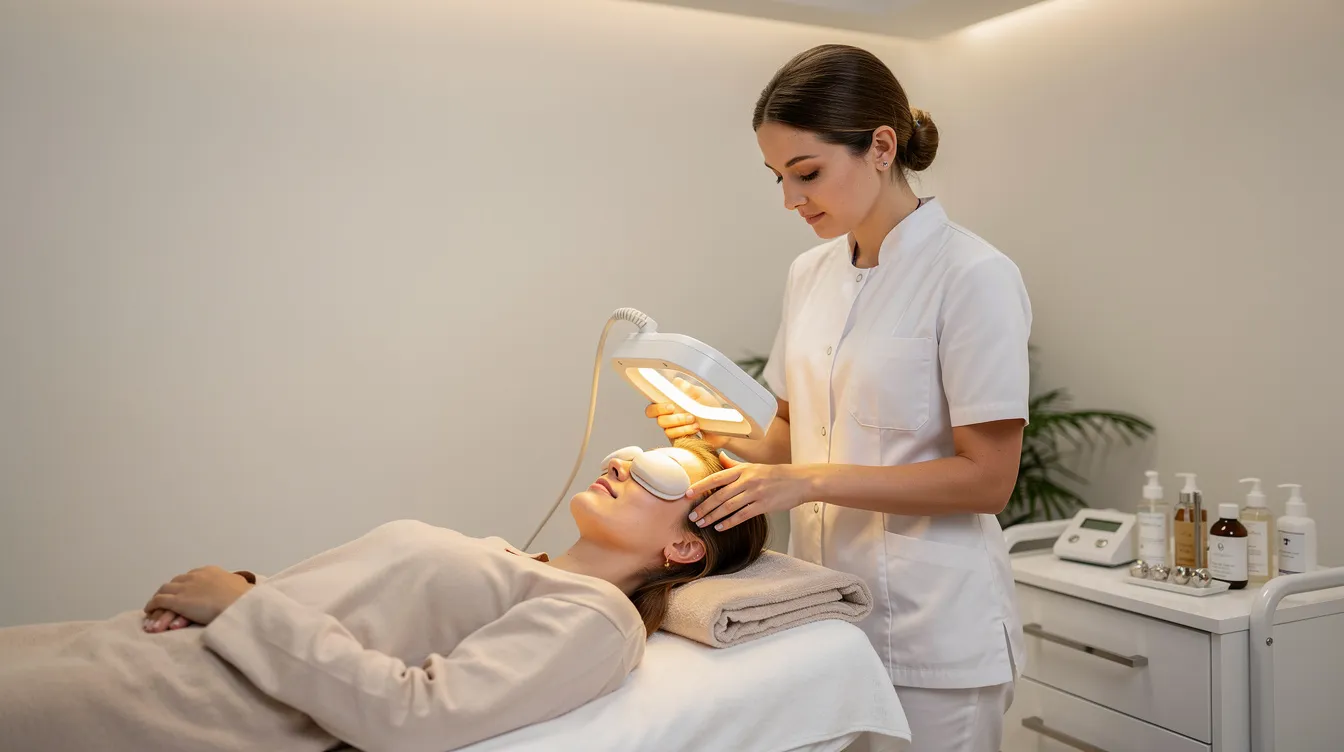
IPL works through selective photothermolysis: light energy is chosen so target chromophores absorb light while surrounding tissue is protected. Melanin in pigment cells and haemoglobin in broken blood vessels convert light into heat, helping the body clear unwanted pigment and vascular imperfections.
IPL treatments can improve skin texture and tone by targeting pigmented cells and vascular imperfections without harming surrounding tissue, leading to a more uniform appearance. The same healing process also stimulates collagen production and elastin renewal, supporting firmer skin over several months. Collagen stimulation through IPL treatment helps firm skin and refine pore size, while IPL improves skin elasticity, firmness, and smoothness of fine lines, contributing to a more radiant skin texture.
At BalaBala Laser Clinic, filters, fluence, pulse duration, and cooling are adjusted after VISIA Skin Analysis to match each client’s skin types, concerns, and tolerance. Higher fluences and pulse durations during IPL treatments can increase the likelihood of adverse events, particularly in patients with darker skin types, so accurate assessment by our Registered Nurses is essential.
Skin Concerns IPL Treatment Can Address
Intense pulsed light (IPL) therapy is effective for treating a variety of skin concerns, including photoaging, hyperpigmentation, and vascular lesions, making it a versatile tool in dermatology. IPL therapy effectively targets benign pigmented and vascular disorders, making it a versatile tool in dermatology for addressing both functional and cosmetic concerns.
IPL can help improve:
- sun damage, treat sun damage, age spots, lentigines, ephelides, freckles, and uneven skin tone
- facial redness, rosacea flushing, broken capillaries, broken blood vessels, small facial veins, and vascular lesions
- acne treatment support, post-acne redness, and some superficial acne scars
- poikiloderma of Civatte, port-wine stains, and hemangiomas, which can also be treated with IPL therapy
- photodamage on the face, neck, décolletage, hands, shoulders, and arms
IPL in Adelaide’s Sun-Intense Environment
Adelaide and South Australia experience some of the highest UV exposure levels in Australia. With many South Australians spending significant time outdoors, cumulative sun exposure is a key contributor to pigmentation, sun damage, facial redness, broken capillaries, and premature collagen breakdown. IPL treatment is a commonly chosen solution in Adelaide to address these sun-related skin concerns effectively, helping clients maintain healthier, radiant skin despite the harsh Australian sun.
Why Some IPL Treatments Fail to Deliver Results
Not all IPL treatments achieve the same outcome. Common reasons for less effective results include:
- Incorrect diagnosis of the skin condition
- Treating melasma as if it were freckles or superficial pigmentation
- Inappropriate energy settings during treatment
- Inexperienced operators lacking specialised training
- Insufficient number of treatment sessions completed
- Poor post-treatment sun protection leading to new pigmentation
- Pigmentation that is too deep for IPL to effectively target
This is why every IPL treatment at BalaBala Laser Clinic begins with a VISIA Skin Analysis and consultation with our Registered Nurses to ensure the correct diagnosis and treatment plan tailored to your skin’s unique needs.
Benefits of IPL Treatment for Radiant, Even-Toned Skin
At BalaBala Laser Clinic, ipl rejuvenation is often used alongside non-invasive anti-ageing technologies such as Thermage FLX, Ultraformer MPT, Ultherapy Prime, EMFACE, and advanced laser pigmentation removal to improve colour, clarity, and skin quality. IPL directly targets structural irregularities and discoloration to leave skin looking noticeably brighter, smoother, and more youthful.
Key benefits include fewer sunspots, softened freckles, reduced visible redness, improved skin tone, refined pores, smoother skin texture, and a softer appearance of fine lines. Because downtime is usually brief, most patients return to work or normal activities the same day.
Long-term outcomes are strongest when IPL photofacial treatment is combined with daily SPF, medical-grade skincare, and complementary cosmetic treatments such as PicoSure and Fotona StarWalker lasers, cosmetic injectables, medical-grade facials, or IV therapy where appropriate.
Is IPL Always the Best Treatment for Pigmentation?
While IPL is highly effective for freckles, sun spots, superficial pigmentation, facial redness, and broken capillaries, it is not always the strongest or most appropriate treatment for more complex pigmentation issues such as melasma or deeper dermal pigmentation.
BalaBala Laser Clinic is Adelaide's only full wavelength pigmentation clinic, offering IPL, PicoSure, and Fotona StarWalker technologies. This allows us to select the most appropriate treatment based on the type, depth, and cause of pigmentation rather than relying on a single device.
Our multi-device treatment philosophy ensures personalised care with clinical excellence, safety, and precision.
IPL Photofacial Procedure: What to Expect at BalaBala Laser Clinic
Your IPL procedure begins with a 30-minute personalised consultation, VISIA Skin Analysis, photos, and medical history review. Before treatment, clients are advised to avoid sun exposure, tanning beds, fake tan, retinoids, exfoliants, and sensitivity-increasing skincare.
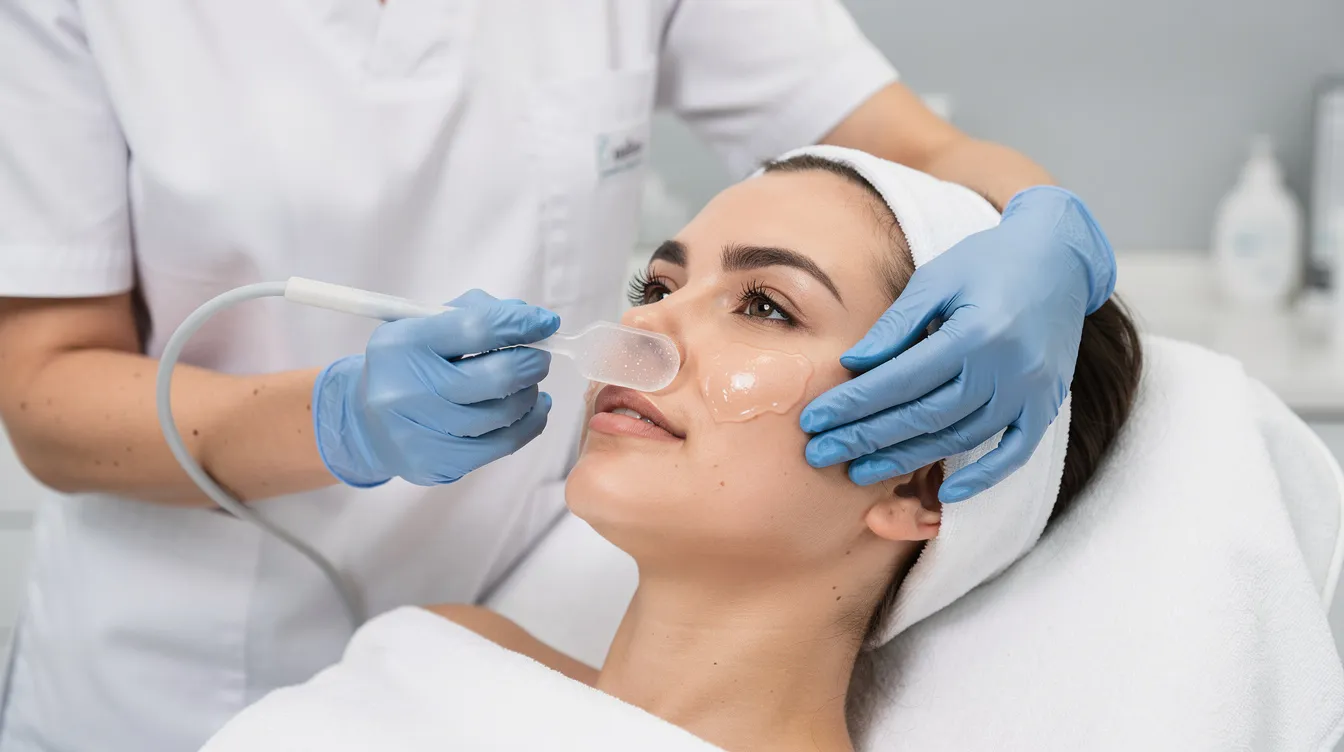
During an IPL treatment session, a cold gel is applied to the skin to improve comfort and facilitate energy transmission from the handpiece to the skin, and protective eyewear is worn to shield the eyes from the light. You may also hear instructions to wear dark glasses; dark glasses and protective eyewear are essential for safety. The handheld ipl device then delivers quick flashes that can feel like a rubber band snap, with mild discomfort or mild pain for some clients.
The procedure typically lasts between 15 to 30 minutes, depending on the size of the treatment area, and a series of five to six sessions is usually recommended for optimal results, spaced about two to four weeks apart. Larger areas such as face plus neck or décolletage may take closer to 40 minutes. Cooling gel, built-in cooling, and experienced Registered Nurses help balance comfort with desired results.
When Will I See Results After IPL?
Most patients notice their skin appearing brighter within 1 to 2 weeks after treatment. Pigmented lesions may initially darken before naturally shedding over several days. Redness typically improves progressively with each session. Collagen remodelling and elastin renewal continue for several months after the final treatment, contributing to firmer, more youthful skin.
Because IPL works cumulatively, most patients require a series of treatment sessions rather than a single session to achieve the desired results.
Results, Treatment Plan & Longevity
IPL is usually a course, not a one-off treatment. Patients typically require a series of 5 to 6 IPL sessions spaced 2 to 4 weeks apart to achieve optimal results, with maintenance treatments recommended once or twice a year to sustain improvements. Typical IPL treatment regimens require 4 to 6 sessions spaced 3 to 6 weeks apart to achieve full, long-lasting results.
After treatment, patients may experience redness and slight swelling that typically lasts only a few hours, and pigmented areas may darken initially before flaking off over the next few days. Slight redness, warmth similar to a mild sunburn, and pigment “peppering” are expected responses.
Results often become clearer after the second or third session, with collagen remodelling continuing for months. Maintenance usually includes SPF 50+, antioxidants, and, where suitable, staged laser pigmentation removal or injectables.
IPL vs PicoSure vs Fotona StarWalker: Technology Comparison
Concern | IPL | PicoSure | Fotona StarWalker |
|---|---|---|---|
Freckles | Effective for superficial pigmentation | Highly precise for pigmented lesions | Effective for pigmented lesions and vascular concerns |
Sun spots | Reduces sun spots and age spots | Targets stubborn pigmentation | Treats sun damage and pigmentation |
Melasma | Limited efficacy; risk of irritation | Better for resistant melasma | Suitable for mixed pigmentation |
Facial redness | Treats broken capillaries & redness | Less effective for vascular lesions | Effective for vascular lesions and redness |
Broken capillaries | Good for small vessels | Not typically used for vascular | Effective for vascular lesions |
Skin rejuvenation | Stimulates collagen and elastin | Promotes skin texture and tone | Enhances skin tone and texture |
Collagen stimulation | Moderate collagen boost | Strong collagen stimulation | Strong collagen and elastin renewal |
Different technologies target different concerns, and no single device is suitable for every pigmentation condition. BalaBala Laser Clinic’s multi-device approach ensures personalised treatments delivering optimal outcomes.
Safety, Side Effects & Who IPL Is Suitable For
IPL treatments are generally safe and tolerable, but it is important to follow pre-procedure guidelines such as avoiding sun exposure and certain skincare products that can increase skin sensitivity. IPL works best on lighter to medium skin tones due to the contrast needed between skin tone and targeted imperfections.
Common side effects of IPL treatments include pain, erythema, edema, bullae, hematoma, crusting, hyper- or hypopigmentation, leukotrichia, scarring, keloid formation, and infection. These are uncommon when treatment is correctly planned, but they must be discussed honestly.
IPL may not suit very dark skin, freshly tanned skin, pregnancy, active infection, recent severe sunburn, some photosensitising medications, or unstable melasma. Ice packs and gentle skincare may be recommended after treatment. BalaBala Laser Clinic may instead recommend PicoSure, Fotona StarWalker, Ultherapy Prime, or another modality.
Can IPL Be Used for Hair Removal?
Yes.
IPL can reduce unwanted hair by targeting melanin within hair follicles.
However, dedicated laser hair removal systems generally provide more precise and predictable long-term hair reduction.
Keep the focus of the article on skin rejuvenation, pigmentation, and redness rather than hair removal.
Aftercare: How to Take Care of Your Skin Post-IPL
After IPL photofacial, keep the skin cool, avoid hot showers, saunas, intense exercise, exfoliants, retinoids, and active acids for several days. Do not pick or scrub darkened pigmented lesions; allow them to shed naturally.
Use gentle cleanser, soothing moisturiser, and strict broad-spectrum SPF 50+. In Adelaide’s climate, avoid direct midday sun for at least two weeks and continue daily sun protection long term. Contact the clinic if blisters, severe swelling, unusual pain, or signs of infection appear.
Not Sure If IPL Is Right For You?
The most effective treatment depends on the cause of your pigmentation, redness, or skin concern.
At BalaBala Laser Clinic, every client begins with a 30-minute personalised consultation and VISIA Skin Analysis.
Our Registered Nurses assess your skin and determine whether IPL, PicoSure, Fotona StarWalker, or another treatment is the most appropriate option.
Book your personalised skin consultation today and discover the treatment that is right for your skin.
Why Choose BalaBala Laser Clinic in Adelaide for IPL Treatments
BalaBala Laser Clinic is Adelaide’s advanced pigmentation and anti-ageing clinic with over 10 years of industry experience. Our treatments are performed by Registered Nurses and medical professionals who prioritise personalised treatment planning and clinical excellence.
We are Adelaide’s only full wavelength pigmentation clinic using both PicoSure and Fotona StarWalker lasers alongside IPL technology, enabling a tailored, multi-device approach that is not limited to a single device or modality.
Our commitment to safety, precision, and evidence-based care ensures you receive the most effective treatment for your unique skin concerns. Begin your journey with a comprehensive 30-minute consultation and VISIA Skin Analysis to unlock your skin’s potential.
FAQ: IPL Treatment & Radiant Skin
How many IPL sessions will I need before I see results?
Many clients see early brightness after one session, but pigmentation and redness usually improve more visibly after 2–3 sessions. A typical course is 4–6 or 5–6 sessions, depending on severity and sensitivity.
Is IPL treatment painful, and will I need time off work?
Most people describe IPL as a quick warm snap. Cooling gel and device cooling make it well tolerated, and minimal downtime means most patients return to normal activities immediately.
Can IPL treat both age spots and broken capillaries in the same session?
Yes. One advantage of intense pulsed light IPL is that adjusted filters and settings can target age spots, unwanted pigment, broken capillaries, and redness within the same treatment plan.
How is IPL different from the laser pigmentation removal you offer?
IPL uses broad spectrum light for diffuse redness, freckles, and sun damage. Laser pigmentation removal uses specific wavelengths and may be better for deeper pigment, tattoos, or stubborn melasma.
Can IPL be combined with other treatments like injectables or skin tightening?
Yes. IPL can be combined with cosmetic injectables, medical-grade facials, PicoSure, Thermage FLX, Ultherapy Prime, Ultraformer MPT, or EMFACE when carefully sequenced. Book a consultation at BalaBala Laser Clinic in Adelaide to find the safest path to clearer, more radiant skin.
Does IPL Help Rosacea?
IPL is effective in reducing facial redness and flushing associated with rosacea by targeting broken blood vessels and vascular lesions, leading to a calmer, more even complexion.
Can IPL Remove Freckles Permanently?
IPL can significantly reduce the appearance of freckles by targeting pigmented cells, but new freckles may develop with sun exposure. Consistent sun protection is essential to maintain results.
Can IPL Treat Broken Capillaries?
Yes. IPL targets the haemoglobin in broken capillaries and small blood vessels, helping to diminish their appearance safely and effectively.
Is IPL Safe For Asian Skin?
IPL can be safe for Asian skin tones when performed by experienced practitioners who tailor settings carefully. VISIA Skin Analysis helps assess suitability and minimise risks.
What Is The Difference Between IPL And PicoSure?
IPL uses broad spectrum light for surface pigmentation and vascular concerns, while PicoSure is a picosecond laser that targets deeper pigment and tattoo removal with high precision.
How Much Does IPL Cost In Adelaide?
Costs vary based on treatment area and number of sessions. BalaBala Laser Clinic offers personalised quotes following consultation and VISIA analysis to ensure value and tailored care.
How Many IPL Sessions Do I Need?
Most patients require 4 to 6 sessions spaced 2 to 4 weeks apart for optimal results, with maintenance treatments recommended annually or biannually.
Can IPL Be Combined With Thermage FLX?
Yes. IPL can be safely combined with Thermage FLX for skin tightening and pigmentation improvement, offering a comprehensive skin rejuvenation approach.
Can IPL Be Combined With Ultherapy Prime?
Yes. IPL and Ultherapy Prime complement each other by addressing pigmentation and deeper skin lifting respectively, enhancing overall facial rejuvenation.
Is IPL Better Than Laser Treatment?
Neither is universally better. IPL treats multiple surface concerns with broad spectrum light, while laser treatments target specific issues with focused wavelengths. BalaBala Laser Clinic’s multi-device approach ensures the best technology is selected for your unique skin needs.
Why Didn't My Previous IPL Treatment Work?
Several factors can cause IPL treatments to be less effective, including incorrect diagnosis, pigmentation that is too deep, melasma treated with the wrong technology, insufficient treatment sessions, continued UV exposure, and incorrect treatment parameters. Professional assessment is essential because not all pigmentation responds equally to IPL.
Is IPL Good for Melasma?
IPL may improve some superficial pigmentation associated with melasma, but it is not always the preferred treatment. Many melasma patients achieve better outcomes with technologies such as PicoSure or Fotona StarWalker because these devices can target pigmentation more selectively while reducing the risk of rebound pigmentation. A professional consultation is recommended before selecting any pigmentation treatment.