


When to Book Laser Pigmentation Removal in Adelaide: Autumn & Winter Treatment Guide
Adelaide’s strong UV exposure is one of the biggest causes of pigmentation, sun spots, and premature skin ageing.
For clients considering Pico laser pigmentation removal, choosing the right season can significantly impact both recovery and long-term results.
At BalaBala Laser Clinic, autumn and winter are commonly considered the ideal periods for pigmentation treatments because cooler temperatures and lower UV levels help support skin recovery while reducing the risk of post-inflammatory pigmentation.
Why Autumn & Winter Are the Best Seasons for Pigmentation Removal
After Pico laser treatment, the skin enters a temporary recovery phase where the skin barrier becomes more sensitive to UV exposure and inflammation.
During Adelaide’s autumn and winter months, UV levels are generally lower compared to summer, which may help reduce the risk of pigmentation recurrence and support safer post-treatment recovery.
Lower UV exposure also makes post-treatment sun protection easier to manage during everyday activities.
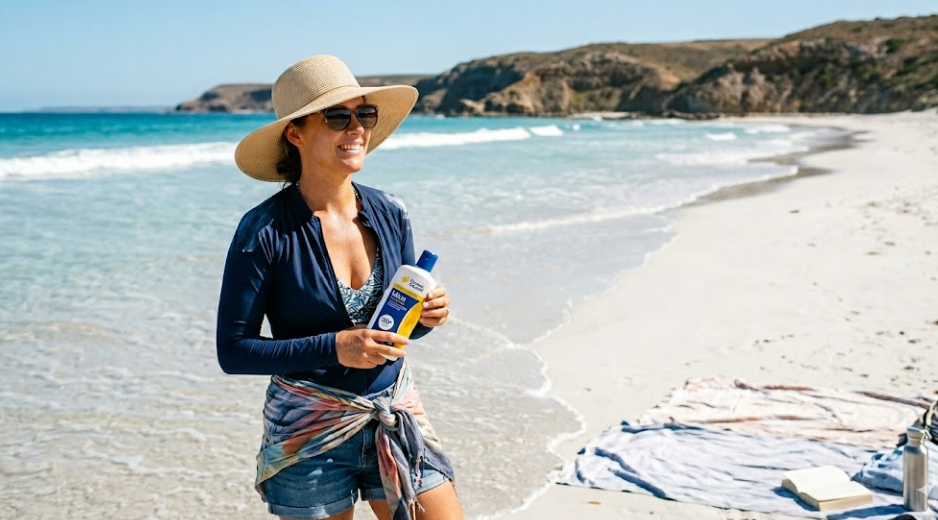
Adelaide UV Levels Throughout the Year
According to Cancer Council South Australia, UV levels in Adelaide are typically highest during summer and lowest during winter.
During winter, UV Index levels are often lower than peak summer months, making it easier to protect the skin during the critical post-laser recovery period.
This is one reason many clients prefer beginning laser pigmentation treatments during autumn or winter before UV intensity rises again in spring and summer.
Why Cooler Weather Helps Pico Laser Recovery
Following laser pigmentation treatment, temporary redness, warmth, and skin sensitivity are common.
Cooler temperatures during Adelaide’s winter can help reduce heat-related inflammation and improve overall comfort during the healing process.
Lower environmental heat exposure may also help support skin barrier recovery and reduce excessive irritation after treatment.
What Affects Pico Laser Recovery Time?
Recovery after Pico laser treatment varies depending on several factors.
These may include:
• The type and depth of pigmentation being treated
• Treatment intensity and laser settings
• Individual skin healing and metabolism
• Post-treatment skincare and sun protection
Most clients experience relatively short recovery periods, although proper aftercare remains essential for achieving optimal results.
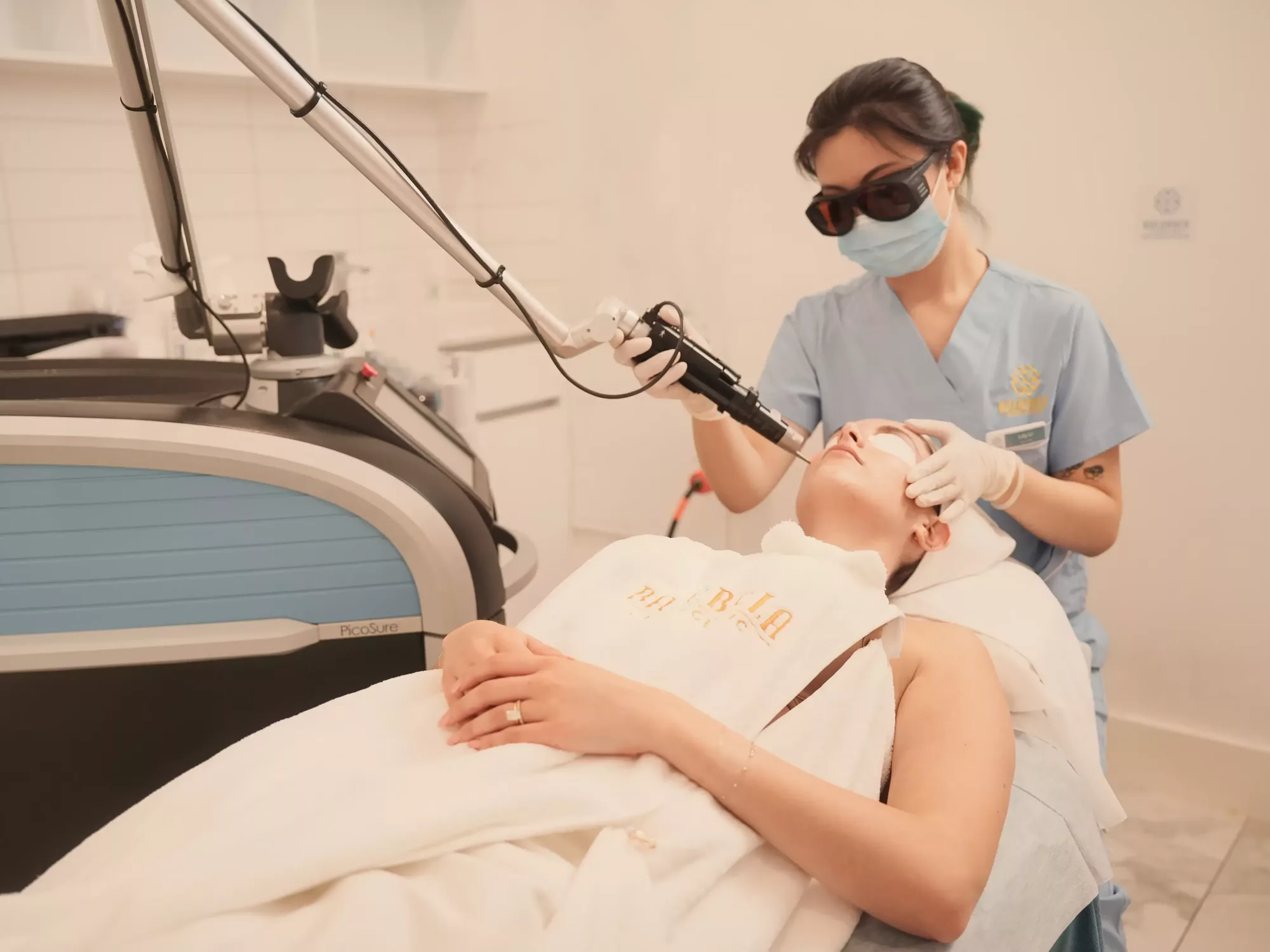
Why Winter Treatments Help You Prepare for Summer
Pigmentation treatments often require multiple sessions spaced several weeks apart.
Beginning treatment during autumn or winter allows the skin more time to recover before Adelaide’s higher UV seasons return.
By spring and summer, many clients have already completed several treatment sessions and achieved a more stable, brighter, and more even skin tone.
Winter Skincare Tips After Pico Laser
Although winter is considered an ideal treatment season, post-treatment care remains extremely important.
Key aftercare recommendations include:
• Maintaining good skin hydration
• Using gentle barrier-repair skincare
• Avoiding excessive heat exposure
• Applying broad-spectrum SPF50+ sunscreen daily
• Avoiding active skincare ingredients immediately after treatment
Even during winter, Adelaide can still experience moderate UV exposure, particularly on clear sunny days. Consistent sun protection remains essential after laser treatments.
Why Choose BalaBala Laser Clinic for Pigmentation Removal in Adelaide
At BalaBala Laser Clinic, we use advanced PicoSure® and Fotona StarWalker® laser technologies to customise pigmentation treatments for different pigment depths and skin types.
Few clinics in Adelaide offer dual multi-wavelength laser systems designed to treat both superficial and deeper pigmentation concerns.
Every client begins with a personalised consultation and VISIA skin analysis to determine the most suitable treatment plan based on their skin condition and pigmentation type.
Best Time for Laser Pigmentation Removal in Adelaide: Frequently Asked Questions
Q1: Is winter better for pigmentation removal?
A: Many laser clinics consider autumn and winter ideal seasons for laser pigmentation treatments because lower UV exposure may help reduce post-treatment risks and simplify recovery.
Q2: How long after Pico laser should I avoid sun exposure?
A: Strict sun protection is particularly important during the first 1–2 weeks after treatment, although ongoing SPF use is recommended long-term.
Q3: Can pigmentation come back after laser treatment?
A: Pigmentation can recur due to ongoing UV exposure, hormones, inflammation, or genetics. Proper aftercare and maintenance treatments may help reduce recurrence.
Q4: How many Pico laser sessions will I need?
A: Treatment numbers vary depending on the type, depth, and severity of pigmentation. Multiple sessions are commonly required for optimal results.
Book a Pigmentation Consultation in Adelaide
At BalaBala Laser Clinic, we provide personalised laser pigmentation treatment plans using advanced PicoSure® and Fotona StarWalker® technologies.
Every consultation includes VISIA skin analysis to assess pigmentation depth, UV damage, and overall skin condition.
Book your consultation today to discover the most suitable pigmentation treatment options for your skin.
References & Disclaimer
[1] Cancer Council South Australia – UV Radiation & Sun Protection Guidelines.
[2] Australasian College of Dermatologists – Laser and Pigmentation Management.
[3] Journal of Cosmetic and Laser Therapy – Post-Laser Recovery & Skin Barrier Function.
[4] ARPANSA – UV Exposure in Southern Australia.
Medical Reviewer: Dr Alexander Nguyen Ha (MED0000958089)
Last Reviewed: May 29 2026
Disclaimer: This article is for educational purposes only and does not replace professional medical advice. Please consult a qualified practitioner before undergoing treatment.