


How to Choose the Right Aesthetic Clinic in Adelaide: Why Technology, Experience and Medical Expertise Matter
Selecting an aesthetic clinic in Adelaide is a decision that affects both your safety and the quality of your results. With increasing numbers of clinics offering non-surgical treatments across South Australia, it can be difficult to distinguish between those providing genuine medical expertise and those offering superficial services with outdated equipment.
The most reliable outcomes in cosmetic treatments depend on three pillars: experienced clinicians with proper medical qualifications, advanced medical-grade technology, and personalised treatment plans designed around your specific skin concerns. When any one of these elements is missing, results become unpredictable and risks increase.
BalaBala Laser Clinic, an Adelaide-based medical aesthetic clinic with over 10 years of industry experience, operates on this exact principle—combining Registered Nurse-led care with world-leading devices like Ultherapy Prime, Thermage FLX, and PicoSure. This article provides practical criteria you can use to evaluate any aesthetic clinic in Adelaide, particularly if you’re considering non-surgical anti-ageing, laser pigmentation removal, or skin rejuvenation treatments.
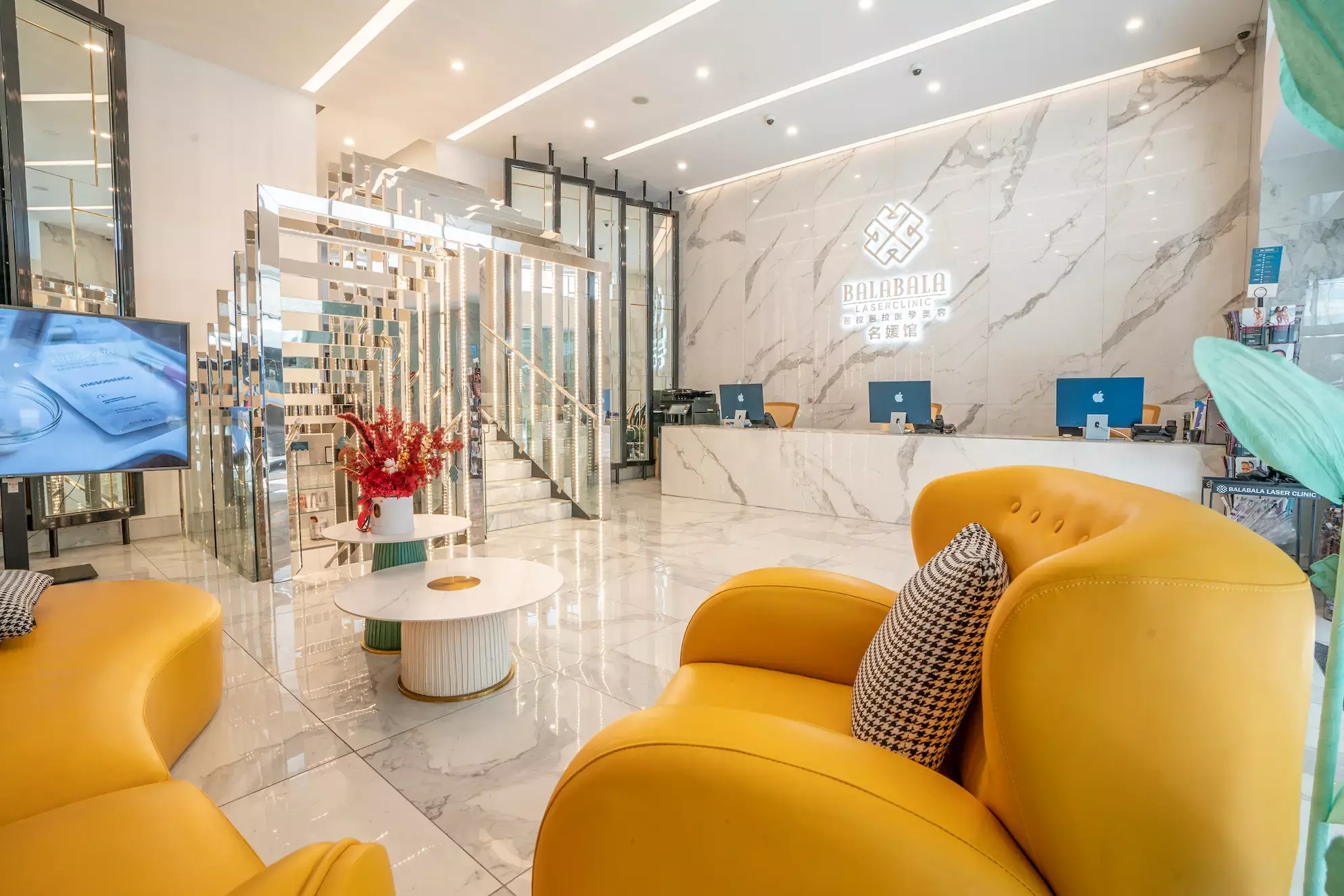
Step 1: Check Medical Qualifications and Clinical Governance
In Australia, non-surgical cosmetic treatments are classified as medical procedures when performed by registered health professionals. This means they should be conducted under appropriate clinical governance, not simply offered as beauty services without medical oversight.
Understanding the key roles within a clinic helps you assess its credibility. Doctors and Registered Nurses (RNs) are regulated by AHPRA (Australian Health Practitioner Regulation Agency), which sets minimum training standards and maintains public registers. Dermal therapists may perform certain treatments but work within different regulatory frameworks. When a clinic is medically led—meaning doctors or RNs perform or supervise procedures—safety protocols tend to be more robust, and clinical decision-making is typically more thorough.
What to look for in medical credentials:
You can verify any doctor or nurse’s registration status through the AHPRA public register online. Look for current registration without conditions or notations that might affect their practice scope. A well-governed clinic will also have a medical director or supervising doctor, even if day-to-day treatments are performed by nurses.
Written consent processes and detailed medical history taking are essential. Under updated AHPRA guidelines effective from September 2025, practitioners must provide plain-language explanations of risks, benefits, and alternatives before any procedure. High-risk facial injectables must be performed in proper clinical settings with prescriber access onsite.
What a safe consultation looks like:
A thorough professional consultation should never feel rushed. Expect at least 30 minutes of dedicated time to discuss your concerns, review your medical history, and receive honest guidance about realistic outcomes. Clinics that pressure you to proceed with treatment on the same day—before you’ve had time to consider risks and alternatives—should raise concerns.
Warning signs to avoid:
Be cautious of beauty-only salons offering laser or energy-based treatments without clear medical oversight. These environments may not use TGA-registered medical devices or follow the rigorous safety protocols that a professional environment requires. At BalaBala Laser Clinic, all treatments are performed by Registered Nurses and medical professionals who operate within established clinical governance frameworks.
Step 2: Why Technology Quality Matters More Than Just the Treatment Name
Not all devices carrying the same treatment name deliver equivalent results. A “laser treatment” at one clinic may use a first-generation machine with limited power settings, while another uses a current-model device with precise energy delivery, better cooling, and proven clinical data.
Understanding medical-grade and TGA-listed devices:
In Australia, the Therapeutic Goods Administration (TGA) regulates medical devices. Devices listed on the Australian Register of Therapeutic Goods (ARTG) have met safety, performance, and labelling requirements. Using unregistered devices can void clinic insurance and lead to regulatory penalties—more importantly, it increases risk of complications for patients.
Medical-grade devices from established manufacturers undergo rigorous testing and often have published clinical studies supporting their efficacy. Generic or grey-market devices may lack these quality controls.
Advanced technologies and what they target:
Different devices address different tissue layers, which is why technology selection matters for your specific concerns:
- Ultherapy Prime uses micro-focused ultrasound to target the SMAS layer (the deeper structural tissue surgeons access during facelifts), producing lift effects that develop over 2-3 months and can last 12-24 months
- Thermage FLX uses radiofrequency to heat dermal and subdermal layers, stimulating collagen remodeling for skin tightening and texture improvement
- Ultraformer MPT provides ultrasound-based lifting with multiple depth cartridges for customised treatment
- EMFACE combines radiofrequency with muscle stimulation to address both skin quality and underlying facial muscle tone
- **PicoSure and Fotona StarWalker use picosecond and Nd:YAG laser technology to target pigmentation at cellular level, with wavelengths appropriate for various skin types and long-lasting Fotona laser results
BalaBala Laser Clinic is equipped with all of these advanced technologies, allowing practitioners to select devices based on your anatomy and goals rather than being limited to a single machine.
Questions to ask when comparing clinics:
- Which specific device and model will be used for my treatment?
- Is the device from a reputable global manufacturer with published clinical data?
- Is this technology appropriate for my skin type (Fitzpatrick scale I–VI)?
- What training has the practitioner completed on this specific device?
Be wary of clinics that describe their equipment using vague terms like “latest laser technology” without providing specific device names or manufacturers.
Step 3: Look for a Range of Complementary Treatment Options, Not a One-Device Solution
Facial ageing, pigmentation, and volume loss are multi-layered problems. Your skin surface, dermis, fat pads, and underlying muscle all change with age—and each responds to different treatment modalities.
Effective treatment plans typically combine technologies rather than relying on a single device. A clinic limited to one primary machine is more likely to recommend that machine regardless of whether it’s optimal for your concerns.
Key treatment categories a well-equipped Adelaide aesthetic clinic should offer:
Concern Area | Treatment Options |
|---|---|
Non-invasive anti-ageing | Ultherapy Prime, Thermage FLX, Ultraformer MPT, EMFACE |
Laser pigmentation removal | PicoSure laser pigmentation removal, Fotona StarWalker, medical-grade skincare protocols |
Cosmetic injectables | Anti wrinkle injections, dermal fillers, bio-stimulators (collagen stimulators) |
Skin rejuvenation and texture | Medical skin needling, laser rejuvenation, medical-grade facials |
Hair loss treatments | PRF/PRP scalp therapy, medical hair restoration protocols |
Fat reduction and body contouring | Non-surgical technologies for stubborn fat deposits |
Wellness support | IV therapy for skin health, energy, and recovery |
At BalaBala Laser Clinic, practitioners can combine multiple technologies within a single treatment plan. For example, pairing EMFACE with targeted injectables for comprehensive facial rejuvenation, or combining PicoSure pigmentation treatment with medical-grade skincare to enhance and maintain results. |
This multi-modal approach allows your treatment plan to address your individual goals across different tissue depths rather than applying a one-size-fits-all solution, and is reflected in the clinic’s broader library of articles on pigmentation, tightening, and laser therapies.
Step 4: Assess Experience, Case Volume, and Realistic Results
Technology is only as effective as the practitioner using it. Operator experience directly influences comfort during treatment, accuracy of device settings, and management of any complications that arise.
Questions to ask about experience:
- How long has the clinic operated in Adelaide?
- How many years of experience does the professional team have with my specific concern?
- How many treatments of this type does the clinic perform annually?
- Can you show before-and-after images from patients with similar skin type and concerns?
BalaBala Laser Clinic has over 10 years of industry experience and is one of the more experienced teams in South Australia for cosmetic aesthetics including non-invasive anti-ageing and pigmentation work. This depth of case volume means protocols have been refined over thousands of treatments.
What realistic results communication looks like:
Trustworthy clinics do not promise “instant facelifts” or “zero downtime” when the science doesn’t support those claims. Clinical studies of Ultherapy Prime show lifting results developing around 2-3 months post-treatment and peaking around 6 months. Thermage FLX produces some immediate tightening with continued improvement over 3-6 months.
A skilled practitioner will explain:
- Expected number of sessions for your concern
- Any downtime or recovery period
- Maintenance treatments needed to sustain outcomes
- Potential risks and side effects relevant to your skin type
For patients with darker skin types (Fitzpatrick IV-VI), experienced practitioners understand the elevated risk of post-inflammatory hyperpigmentation (PIH) and adjust device settings, energy density, and cooling protocols accordingly.
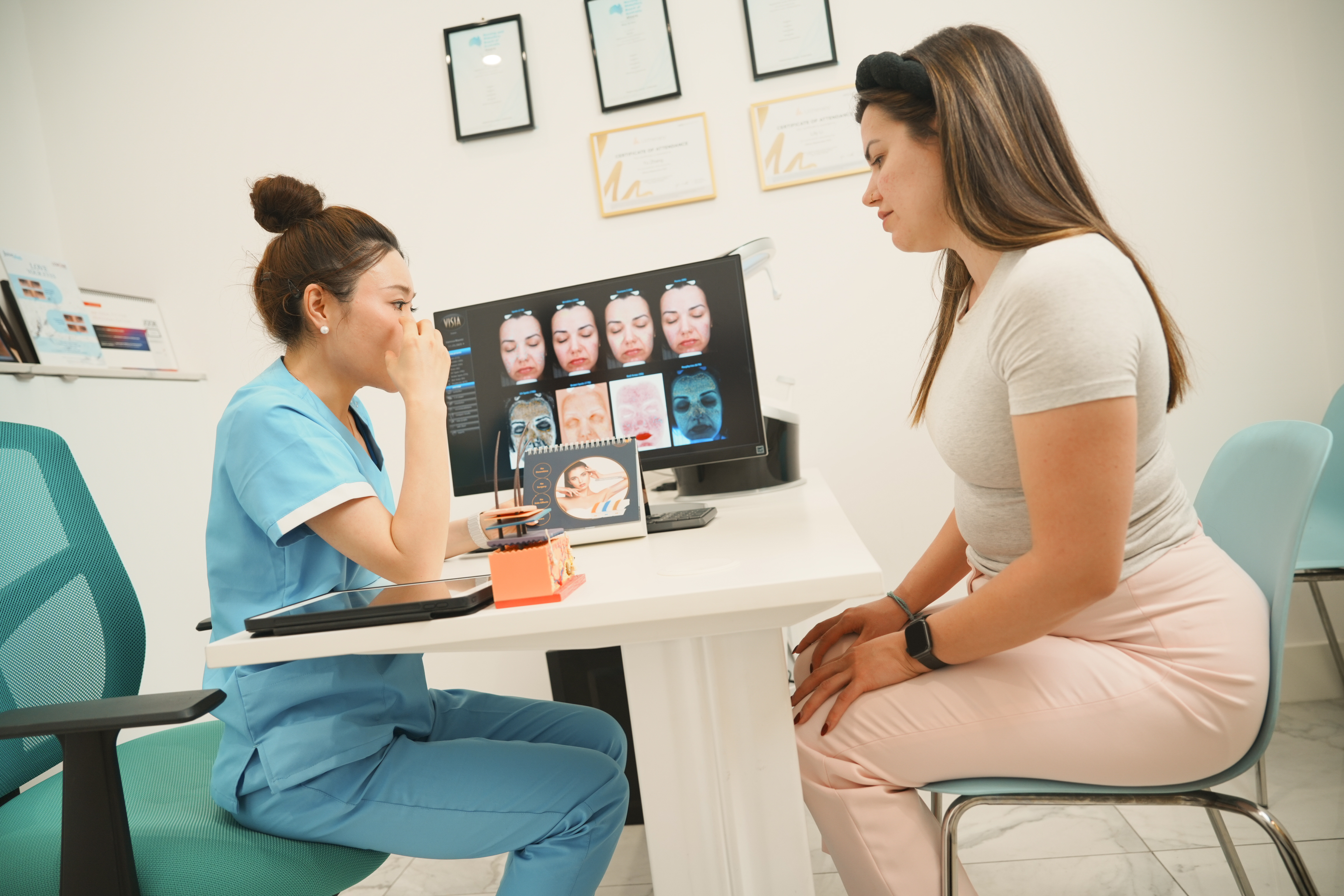
Step 5: Evaluate the Consultation Process and Skin Assessment Technology
A thorough initial consultation forms the foundation of any effective treatment plan. This is where your practitioner should assess not just your visible concerns but also underlying factors that affect treatment selection and outcomes.
What a high-quality consultation includes:
The consultation should begin with detailed medical history review, including current medications, previous cosmetic procedures, allergies, and hormonal factors. Your concerns—whether fine lines, wrinkles, pigmentation, volume loss, hair thinning, or body areas—should be discussed in depth alongside your aesthetic goals.
Lifestyle factors matter significantly in South Australia. Sun exposure patterns affect pigmentation treatments and recovery protocols. Work schedules influence how much downtime you can accommodate. Understanding your tolerance for gradual versus immediate results shapes treatment sequencing.
The role of objective skin analysis:
Evidence-based clinics use imaging systems rather than relying solely on visual assessment. BalaBala Laser Clinic includes VISIA skin analysis in its standard free skin consultation booking process in its standard 30-minute personalised consultation. This technology maps:
- Pigmentation depth and distribution
- Sun damage not visible to the naked eye
- Vascular changes and redness patterns
- Pore size and texture variations
- Wrinkle patterns and skin laxity
This objective data helps tailor treatment plans for issues like melasma, sun spots, acne scarring, or early skin sagging. It also creates a baseline for tracking improvement over time—providing measurable evidence of outcomes rather than subjective impressions.
Red flags in the consultation process:
Avoid clinics that offer walk-in injectables or laser treatments with minimal assessment. If a clinic skips discussion of your medical history, current skin conditions, or previous cosmetic procedures, they’re not practicing with appropriate care. A professional consultation should never feel transactional or rushed.
Step 6: Match Treatment Capability to Your Specific Concerns
A clinic that excels in one treatment area may not have the equipment or expertise for others. Before committing, match your main goals with the clinic’s demonstrated strengths.
Fine lines and wrinkles:
Effective treatment typically combines anti wrinkle injections to relax dynamic lines with collagen-stimulating treatments and skin tightening devices like Ultraformer MPT, Thermage FLX, or EMFACE to address texture and laxity.
Facial volume loss and contouring:
Dermal fillers restore volume to cheeks, temples, and under-eye areas. Bio-stimulators encourage natural collagen production over time. Non-surgical lifting devices can enhance jawline definition without surgery.
Pigmentation and uneven tone:
Treating pigmentation requires careful assessment of pigment type and depth. PicoSure and Fotona StarWalker offer wavelengths suitable for various pigmentation concerns, but protocols must be adapted for skin type. Medical-grade skincare supports and maintains laser results. Melasma requires particularly cautious, staged treatment approaches.
Skin texture and acne scarring:
Fractional lasers, medical needling, and advanced resurfacing treatments address texture concerns. For certain conditions, IPL can also be used, but how often you can safely receive IPL treatment depends on scar type, skin colour, and acceptable downtime.
Sagging and laxity (face and body):
Ultrasound and radiofrequency devices target different tissue depths. EMFACE adds muscle stimulation for more comprehensive facial improvement. Body areas with laxity—post-pregnancy or after weight loss—may benefit from combined approaches.
Hair loss and thinning:
PRF/PRP-based scalp treatments support hair follicle health. Comprehensive hair restoration plans require ongoing monitoring and may combine multiple approaches.
Fat reduction and body contouring:
Non-surgical fat reduction technologies target stubborn deposits in the abdomen, flanks, double chin, and other areas resistant to diet and exercise.
Wellness and IV therapy:
Evidence-based IV infusions support skin health, energy levels, and recovery under medical supervision.
At BalaBala Laser Clinic, these concerns are typically managed with layered plans developed over several months rather than single sessions. This approach accounts for the time needed for collagen remodeling and tissue response.
A note on South Australian sun exposure:
Adelaide’s high UV index affects treatment timing and aftercare. Many laser and pigmentation treatments are best scheduled outside peak summer months, with strict SPF protocols and protective skincare before and after treatment.
Technology vs. Price: Understanding Value and Long-Term Results
The cheapest option in Adelaide is rarely the safest or most effective for medical aesthetic procedures. Understanding what drives cost helps you assess value rather than just price.
What influences pricing:
- Device acquisition and maintenance costs (Ultherapy Prime, Thermage FLX, and PicoSure represent significant investment)
- Medical staff qualifications and ongoing training
- Safety protocols and clinical governance requirements
- Follow-up care and review appointments
- Consultation thoroughness including skin analysis technology
Advanced technology with experienced practitioners often achieves better results in fewer sessions. Multiple low-powered or ineffective treatments may ultimately cost more than investing in proven technology from the start.
How to compare clinics on value:
Factor | Questions to Ask |
|---|---|
Device quality | What brand and model? Is it TGA-listed? |
Follow-up care | Are review appointments included? |
Consultation process | Is skin analysis technology used? |
Practitioner training | What ongoing clinical education does the team complete? |
Treatment planning | Is a written treatment plan provided? |
BalaBala Laser Clinic focuses on value through world-leading devices, medically led protocols, and tailored plans—rather than one-size-fits-all packages designed primarily around price competition. |
Safety, Aftercare, and Long-Term Skin Health
High-quality aesthetic clinics focus beyond the treatment day. Aftercare, monitoring, and ongoing skin health contribute significantly to long-term outcomes.
What robust safety and follow-up looks like:
- Clear written aftercare instructions specific to your treatment
- Direct contact details for concerns arising post-treatment
- Scheduled review visits, especially after injectables, laser, or intensive procedures
- Adjustment of protocols based on your response to initial treatments
Clinics using advanced lasers and energy devices should tailor treatment parameters to your skin type and history. This reduces risks of complications including burns, PIH, hypopigmentation, or scarring. Published studies show that low-energy, staged approaches with appropriate cooling produce better outcomes in darker skin types than aggressive single treatments.
Maintaining results over time:
Medical-grade skincare and sun protection play essential roles in sustaining treatment outcomes. Combining PicoSure pigmentation removal with strict SPF use and pigment-regulating products helps prevent recurrence. Non-surgical facelift results benefit from collagen-supporting skincare and lifestyle modifications including smoking cessation and sensible sun exposure.
The aim is sustainable, natural-looking improvement rather than dramatic changes that require constant intervention.
How BalaBala Laser Clinic in Adelaide Aligns With These Standards
BalaBala Laser Clinic applies the principles outlined throughout this article in daily practice. Based in Adelaide, South Australia, the clinic has built over 10 years of experience delivering medical aesthetic treatments with a focus on safety, precision, and evidence-based protocols.
Treatments are performed by Registered Nurses and medical professionals working within established clinical governance. The clinic is equipped with Ultherapy Prime, Thermage FLX, Ultraformer MPT, EMFACE, PicoSure, and Fotona StarWalker—technologies that address different tissue layers and concerns with proven clinical data behind them.
The range of services spans non-invasive anti-ageing, laser pigmentation removal, cosmetic injectables, PRF and mesotherapy, hair loss treatments, IV therapy, fat reduction, and comprehensive skin treatments available at the broader BalaBala Laser Clinic Adelaide site. Every client begins with a 30-minute personalised consultation including VISIA skin analysis, which you can arrange through the clinic’s Adelaide consultation and location page, ensuring treatment plans are built on objective assessment rather than assumptions.
For readers seeking medically led care with access to advanced technologies, booking a consultation today provides an opportunity to assess your unique concerns and discover suitable options within a supportive, professional team environment.
Conclusion: A Checklist for Choosing the Right Aesthetic Clinic in Adelaide
Choosing the right aesthetic clinic means combining medical expertise, advanced technology, and personalised planning. Price and convenience matter, but they shouldn’t override safety and outcome quality.
Use this checklist when comparing Adelaide aesthetic clinics:
- Are treatments medically supervised by AHPRA-registered doctors or nurses?
- Can the clinic name specific devices and manufacturers used?
- Is there a structured consultation with skin analysis before treatment?
- Does the clinic offer multiple modalities to address your concerns comprehensively?
- Are risks, downtime, and realistic outcomes discussed openly?
- Is follow-up care and long-term skin health prioritised?
The best outcomes come from clinics that invest in both equipment and expertise—and that take time to understand your individual goals before recommending a treatment plan.
If you’re ready to explore your options with a clinic that meets these standards, contact BalaBala Laser Clinic to book your personalised consultation. A thorough assessment with VISIA skin analysis gives you the depth of information needed to make a confident, informed decision about your appearance and skin health.
Medical Reviewer: Dr Alexander Nguyen Ha (MED0000958089)
Last Reviewed: May 29 2026
Disclaimer: This article is for educational purposes only and does not replace professional medical advice. Please consult a qualified practitioner before undergoing treatment.