


Hyperpigmentation Treatment Adelaide: Advanced Multi-Wavelength Laser Pigmentation Removal
Introduction
If you’re struggling with dark spots, uneven skin tone, or stubborn pigmentation, finding the right hyperpigmentation treatment is essential. This page explains how Balabala Laser Clinic’s advanced multi-wavelength laser technology offers safe, effective solutions for all skin types. Whether you have persistent sun spots, melasma, or post-inflammatory marks, our clinic provides comprehensive hyperpigmentation treatment options tailored to your needs.
While there are several effective hyperpigmentation treatments, including topical agents, chemical peels, and IPL, this page focuses on the benefits of advanced laser technology for pigmentation removal. Our goal is to help you understand why multi-wavelength laser treatments deliver superior results, who can benefit, and how our approach ensures safety and effectiveness.
Why Multi-Wavelength Laser Machines Are The Best Hyperpigmentation Treatment
At Balabala Laser Clinic, we take hyperpigmentation treatment and pigmentation removal to a new level by combining the power of two world-class multi-wavelength laser systems — PicoSure® and Fotona StarWalker® MaQX. This dual-laser approach allows us to target both surface and deep pigmentation, achieving clearer, smoother, and more radiant skin for every client. These advanced lasers use light energy to precisely target pigmentation at various depths within the skin.
Balabala Laser Clinic is proud to be Adelaide’s only clinic equipped with dual multi-wavelength laser systems — PicoSure® picosecond laser and Fotona StarWalker® MaQX — offering the most comprehensive and effective laser pigmentation removal solutions available. Unlike other lasers, PicoSure® and StarWalker are designed for superior precision and safety in pigment removal, minimizing risk to the surrounding skin. The laser breaks down pigment into tiny particles, which are naturally eliminated by the body, ensuring effective results while protecting healthy tissue.
These advanced systems are suitable for most skin types and deliver pigment removal with minimal downtime and fewer treatments compared to traditional methods.
Understanding Multi-Wavelength Technology
Different pigmentation types exist at different depths within the skin. While traditional single-wavelength lasers can only treat one layer effectively, multi-wavelength systems deliver energy at multiple levels, allowing us to treat all pigment depths safely and precisely. PicoSure® delivers short pulses of light energy that specifically target pigment while minimizing heat energy, which reduces the risk of side effects and makes it suitable for a wider range of skin types.
Laser Device | Wavelengths | Key Function |
|---|---|---|
755 nm (Picosecond Laser) | Delivers ultra-short picosecond pulses to remove mid-depth pigment, stimulate collagen production, improve skin texture, and enhance brightness. | |
532 nm, 1064 nm | Fotona StarWalker® MaQX features multiple wavelengths to target different depths of pigmentation.
|
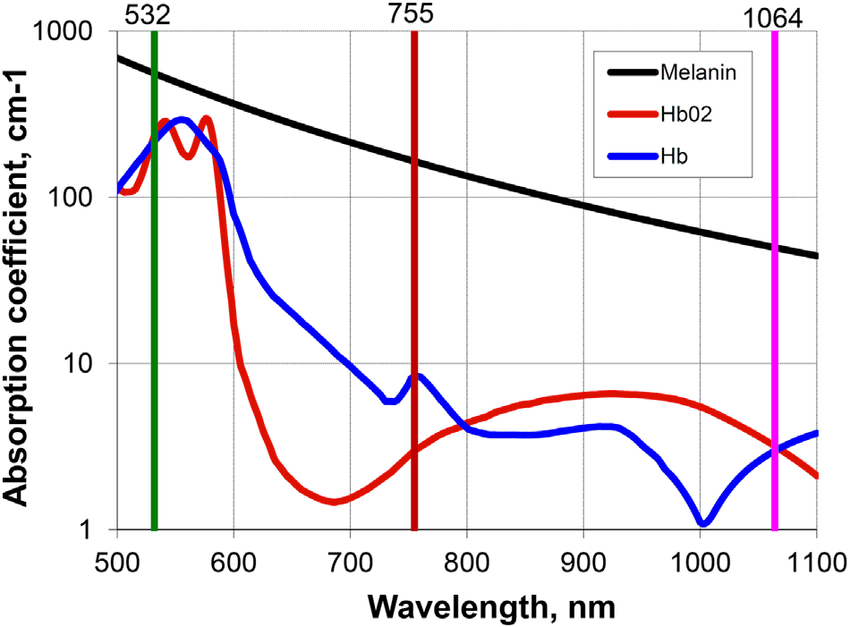
At Balabala Laser Clinic, you don’t need to choose between different laser technologies. We offer a full range of advanced laser systems, and our experienced laser practitioners will carefully assess your pigmentation concerns during consultation. Based on your skin condition and the type of pigment present, we select — and often combine — the most suitable lasers to achieve the best possible results.
Now that you understand how multi-wavelength lasers work, let's explore the different types of pigmentation they can treat.
Types of Pigmentation
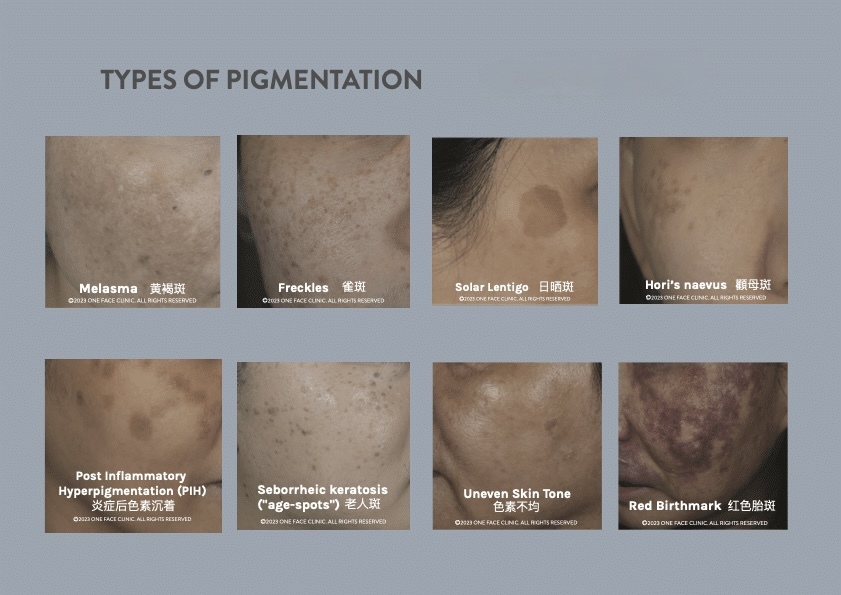
Hyperpigmentation refers to a broad array of skin concerns affecting the pigmentation of the skin in the form of spots, dark patches, and uneven skin tone. Pigmentation refers to the natural colouring of your skin, determined by the amount and distribution of melanin. However, various factors—especially sun exposure—can disrupt this balance, leading to unwanted pigmentation that affects your skin’s appearance and confidence.
Hyperpigmentation can manifest as tan or brown patches, red spots, and purplish marks, in varying shapes and sizes, depending on the cause. The most common causes of hyperpigmentation are hormonal changes, sun exposure, aging, and genetics.
Understanding the different types of pigmentation is essential for choosing the most suitable treatment options and achieving a more even skin tone.
Sun Spots (Solar Lentigines)
Often called age spots or liver spots, these flat, light brown to dark patches develop on areas frequently exposed to the sun, such as the face, hands, and shoulders. Repeated sun exposure accelerates their appearance, especially in lighter skin tones.
Melasma
Characterised by larger, irregular patches of brown or grey-brown pigmentation, melasma is often triggered by sun exposure, hormonal changes, or pregnancy. It commonly appears on the cheeks, forehead, and upper lip, and can be more persistent in certain skin types.
Freckles
Small, flat, light brown spots that become more pronounced with sun exposure. Freckles are usually genetic but can darken or multiply with excessive sun exposure.
Post-Inflammatory Hyperpigmentation (PIH)
This type of pigmentation occurs after skin injury or inflammation, such as acne, eczema, or chemical peels. It appears as dark spots or patches where the skin has healed, and is more common in darker skin tones.
Age Spots
Similar to sun spots, age spots are a result of cumulative sun exposure over time and typically appear in older adults.
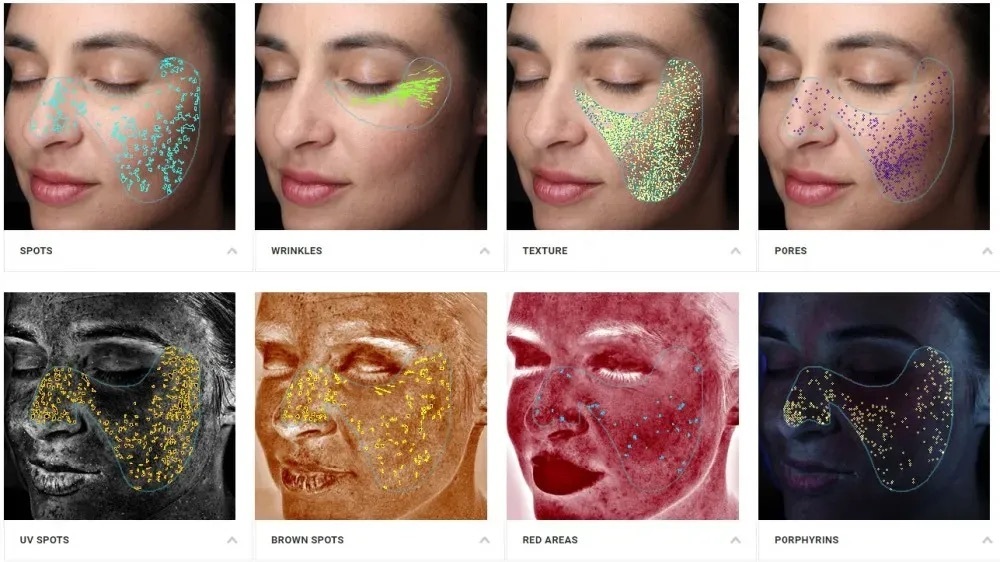
Because each type of pigmentation has a unique cause and depth within the skin, determining the specific type is crucial for developing an effective treatment plan. At BalaBala Laser Clinic, our advanced laser technology and VISIA® Skin Analysis allow us to accurately identify your pigmentation concerns and recommend the most suitable treatment options for your skin type and tone. By targeting the root cause—whether it’s sun damage, hormonal changes, or post-inflammatory marks—we help you achieve clearer, healthier, and more radiant skin.
With a clear understanding of pigmentation types, let’s see why multi-wavelength lasers deliver superior results for hyperpigmentation treatment.
Why Multi-Wavelength Lasers Deliver Superior Results
Treats All Pigment Depths
Each wavelength targets specific layers of the skin:
- 532 nm – Surface pigment like freckles and sunspots.
- 755 nm – Mid-dermal pigmentation and tone irregularities.
- 1064 nm – Deep dermal pigment, melasma, and stubborn discoloration.
By combining these wavelengths, we can address all layers of pigmentation in one treatment plan — from surface-level spots to deep-rooted melasma. These advanced lasers can also help improve large pores, acne scarring, and uneven skin tone, providing comprehensive skin rejuvenation. Treatment can be tailored for specific areas or the full face, depending on your individual needs.
Safe for All Skin Types
Balabala’s dual-laser combination allows us to customise treatment energy and depth, ensuring maximum safety and minimal risk for all skin tones, including darker complexions prone to post-inflammatory hyperpigmentation (PIH). After treatment, we recommend using gentle skincare products that are non-abrasive and suitable for your skin type to support recovery, maintain your skin’s protective barrier, and help preserve your results.
Fewer Sessions, Faster Results
Because multiple pigment depths are treated simultaneously, most clients experience visible brightening and tone improvement sooner, often requiring fewer total sessions compared to single-laser treatments.
Dual-Laser Synergy for Maximum Clarity
Our specialists combine the pico-level precision of PicoSure® with the multi-layer power of StarWalker® MaQX. This synergy not only breaks down pigment efficiently but also stimulates collagen and elastin, resulting in smoother, firmer, and more even skin. This process also helps reduce fine lines and wrinkles, addressing visible signs of aging. The dual-laser approach effectively targets and removes unwanted pigment for clearer, brighter skin.
With these benefits in mind, let’s look at how we ensure every treatment is precisely tailored to your skin.
VISIA® Skin Analysis — Precision from the Start
To ensure every pigmentation treatment is perfectly tailored, Balabala Laser Clinic uses the advanced VISIA® Skin Analysis System — a professional-grade imaging tool rarely available in other Adelaide clinics.
VISIA provides a detailed 3D analysis of your skin, including:
- Pigment depth and UV damage under the surface
- Redness, vascular visibility, and pore mapping
- Wrinkle detection and texture measurement
- Oil, moisture, and bacterial activity balance
The VISIA system helps determine the underlying cause of pigmentation, including factors such as melanin production. It can also identify irregular borders or unusual combinations of pigmentation, which may indicate skin cancer or other concerns requiring further assessment. This allows our practitioners to design a treatment plan backed by data, ensuring precise wavelength selection and faster, more consistent results. As part of your comprehensive care, we also recommend appropriate skincare products to support and maintain your results.
With advanced analysis and tailored planning, you can trust your skin is in expert hands. Next, discover why Balabala Laser Clinic is Adelaide’s leading choice for hyperpigmentation treatment.
Why Choose Balabala Laser Clinic Adelaide
- Adelaide’s Dual Multi-Wavelength Pigmentation Removal Clinic — equipped with PicoSure® and Fotona StarWalker® MaQX
- Comprehensive Treatment Coverage — from surface to deep pigmentation
- Professionalism — delivering over 7,000 laser pigmentation treatments each year
- Exclusive VISIA® Skin Analysis — for evidence-based, personalised planning
- Highly Experienced Team — thousands of pigmentation and laser treatments performed
- Full-Skin-Layer Rejuvenation — treating not only pigmentation but also texture, tone, and collagen renewal
- Ongoing Maintenance Treatments — essential to preserve your results and help prevent recurrence of pigmentation, especially with continued sun exposure
- Sun Protection Guidance — we emphasize the importance of sun protection, including using a broad spectrum sunscreen (UVA/UVB), wearing protective clothing, and strategies to avoid sun exposure before and after treatment
- Protect Your Skin — safeguarding your skin after treatment is crucial to prevent the recurrence of pigmentation and maintain optimal results
Ready to take the next step? Here’s how to book your consultation.
Book Your Pigmentation Consultation
Experience why Balabala Laser Clinic is Adelaide’s most advanced destination for laser pigmentation removal. Book your consultation to determine the most effective way to fade pigmentation and address your skin pigmentation concerns. With state-of-the-art technology, VISIA precision analysis, and expert care, we deliver safe, visible, and lasting results — restoring your skin’s clarity and confidence.
Medical Reviewer: Dr Alexander Nguyen Ha (MED0000958089)
Last Reviewed: May 29 2026
Disclaimer: This article is for educational purposes only and does not replace professional medical advice. Please consult a qualified practitioner before undergoing treatment.