


Melasma Treatment Adelaide: Why a Careful, Layered Plan Matters
Melasma is not the same as an isolated sun spot. It is a chronic, relapsing form of facial pigmentation that can be influenced by ultraviolet (UV) exposure, visible light, hormones, genetics and inflammation. This is why effective melasma treatment in Adelaide usually requires more than choosing a laser and trying to remove pigment in one session.
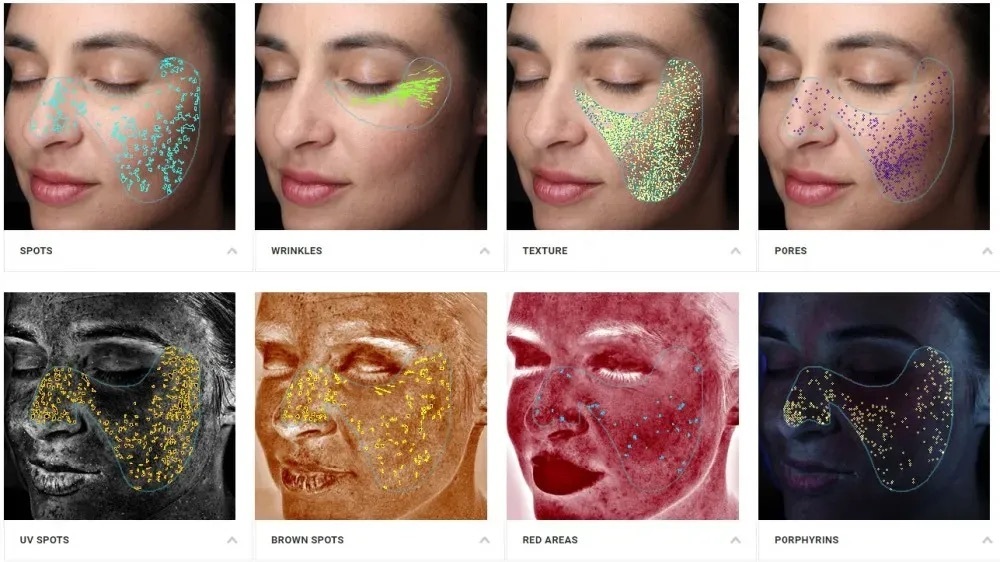
At BalaBala Laser Clinic, treatment planning begins with a 30-minute consultation, clinical history, photography and VISIA skin analysis. Where appropriate, a plan may combine daily photoprotection, gentle skincare, pigment-control products and carefully selected laser treatment using PicoSure or Fotona StarWalker. The aim is gradual improvement while minimising unnecessary inflammation and the risk of rebound pigmentation.
Key Takeaways
- Melasma is usually managed rather than permanently cured, and recurrence is common.
- Correctly distinguishing melasma from sun spots, freckles, post-inflammatory hyperpigmentation and other pigment conditions is essential before treatment.
- Sun protection, visible-light protection and gentle skincare are foundational parts of a melasma plan—not optional extras.
- Laser may be considered for selected patients, but stronger treatment is not automatically better.
- PicoSure and Fotona StarWalker provide different wavelength and pulse options; the appropriate choice depends on the individual skin and pigment pattern.
- Treatment number, interval, downtime and results vary. A personalised consultation is needed before a plan can be recommended.
What Is Melasma?
Melasma is an acquired pigmentation condition that most often appears as flat, irregular brown or grey-brown patches on both sides of the face. Common areas include the cheeks, forehead, upper lip and bridge of the nose. It is particularly common in women and in people whose skin tans readily, although anyone can develop it.
The condition involves more than excess melanin at the surface. Melanocyte activity, chronic light exposure, inflammation, blood vessels, the skin barrier and hormonal influences may all contribute. For this reason, melasma is better understood as a complex, trigger-sensitive condition than as a simple layer of pigment that can be erased.
Melasma is often described as epidermal, dermal or mixed according to the apparent pigment distribution. In practice, many cases have mixed features, so pigment depth should not be diagnosed from colour alone or used to promise a particular result.
Why Correct Pigment Assessment Comes First
Several conditions can look similar to melasma but respond differently to treatment. Treating the wrong diagnosis—especially with excessive heat or energy—may worsen pigmentation or delay appropriate medical review.
Feature | Melasma | Sun spots / solar lentigines |
Pattern | Usually patchy and often symmetrical | More often separate, defined spots |
Common drivers | UV, visible light, hormones, genetics and inflammation | Cumulative UV exposure and ageing |
Behaviour | May fluctuate and recur after improvement | Often more stable and localised |
Treatment approach | Conservative, layered and maintenance-focused | Targeted pigment treatment may be appropriate after assessment |
During consultation, BalaBala considers the distribution and colour of the pigment, skin type, recent tanning, pregnancy and hormonal history, medications, skincare, previous treatments and any history of post-inflammatory hyperpigmentation. VISIA imaging can support documentation of visible pigment, UV features, redness and overall skin condition; it is an assessment aid rather than a stand-alone medical diagnosis. Atypical, changing or uncertain lesions should be referred for medical or dermatological assessment before cosmetic treatment.
Common Melasma Triggers
- UV exposure: Sunlight is a major trigger and can reactivate pigment after improvement.
- Visible light: Visible light can worsen melasma, particularly in darker skin tones. Tinted sunscreen containing iron oxides may provide additional visible-light protection.
- Hormonal influences: Pregnancy and some hormonal medicines or contraceptives may be associated with onset or worsening. Medication changes should be discussed with the prescribing clinician.
- Inflammation and irritation: Harsh scrubs, over-exfoliation, irritating products and overly aggressive procedures can aggravate pigment-prone skin.
- Heat and individual sensitivity: Some people report flares after significant heat exposure. The evidence is less clear than it is for UV and visible light, so advice should be personalised rather than absolute.
- Genetic predisposition: A family history and a skin type that tans readily may increase susceptibility.
Can Laser Help Treat Melasma?
Short answer Laser may help selected patients, particularly as part of a broader plan, but it is not automatically the first or only treatment. Melasma can worsen after inflammation, and recurrence remains possible even after visible improvement. |
Laser and light-based procedures require careful patient selection, conservative parameters and realistic expectations. Published reviews support a multimodal approach and advise particular caution with energy-based treatment because post-inflammatory pigmentation, uneven lightening, hypopigmentation or rebound can occur.
The decision is not simply whether a device can target melanin. It is whether a particular wavelength, pulse mode, energy, spot size and treatment interval are appropriate for that person’s skin type, pigment pattern, sensitivity and treatment history. Patch testing may be considered where clinically appropriate, but it does not eliminate all risk.
Why a Multi-Wavelength Pigment Approach Matters
Pigmentation conditions do not all sit at the same depth or respond to the same wavelength. BalaBala has access to PicoSure and Fotona StarWalker, which provide different pigment-targeting options. This gives the clinical team more flexibility when planning treatment, but it does not mean every wavelength or device should be used on every patient.
For melasma, the value of a multi-wavelength approach is careful selection—not maximum intensity. In some cases, the safest plan may begin with barrier support, sun protection and pigment-control skincare before any procedure is considered. In others, one selected laser modality may be introduced gradually and reviewed before further treatment.
PicoSure and Fotona StarWalker for Melasma
PicoSure
PicoSure uses picosecond pulse technology and includes a 755 nm wavelength used for pigmentary indications. Its very short pulses create a strong photoacoustic effect, but this does not make all melasma treatment risk-free. Clinical evidence for picosecond lasers varies by wavelength and protocol, and a 2023 systematic review did not find 755 nm picosecond treatment superior to topical depigmenting therapy overall. For this reason, PicoSure should be presented as a possible option for selected cases rather than a universal melasma solution. Learn more about PicoSure treatment at BalaBala.
Fotona StarWalker
Fotona StarWalker offers several wavelength and pulse options, including 1064 nm and 532 nm Nd:YAG-based modes. Published melasma protocols commonly investigate low-fluence 1064 nm treatment, although response and recurrence vary and repeated treatment can carry risks. The fact that StarWalker has multiple modes supports personalised selection; it should not be interpreted as a reason to use all wavelengths on melasma.
There is no single answer to whether PicoSure or Fotona StarWalker is ‘better’. The more appropriate option depends on the diagnosis, skin type, recent sun exposure, previous response, pigment distribution and the clinician’s assessment. Some people may be advised not to proceed with laser at that time.
Why IPL Is Not Suitable for Every Melasma Patient
IPL uses a broad spectrum of light rather than a single laser wavelength. It may be useful for selected superficial sun-related pigmentation, redness or photodamage, but melasma behaves differently. In some melasma-prone skin, unnecessary heat and inflammation can contribute to rebound pigmentation.
Extra caution may be appropriate when there is:
- a darker or recently tanned skin type
- a mixed or deeper-appearing pigment pattern
- active irritation or a compromised skin barrier
- a history of post-inflammatory hyperpigmentation
- recent significant UV exposure
- previous worsening after IPL, laser or aggressive peels
This does not mean IPL is unsuitable for every person with melasma. It means the diagnosis and risk profile must be assessed before a light-based treatment is selected.
Skincare, Barrier Support and Sun Protection
Daily photoprotection is one of the most important parts of melasma management. In Australia, Cancer Council recommends broad-spectrum, water-resistant SPF 50 or SPF 50+ sunscreen. Sunscreen should be applied correctly and combined with protective clothing, a broad-brimmed hat, shade and sunglasses. Reapply according to the label and after swimming, sweating or towel-drying; when outdoors, two-hourly reapplication is commonly advised.
For visible-light protection, the American Academy of Dermatology recommends considering a tinted sunscreen containing iron oxides. Choose a formula that the skin tolerates and that can be used consistently. Sunscreen alone cannot compensate for prolonged exposure or inadequate application.
A personalised skincare plan may include gentle cleansing, moisturising barrier support, antioxidants or pigment-control ingredients. Prescription topical or oral treatment must be assessed and prescribed by an appropriate medical practitioner, as contraindications and side effects vary. Unregulated bleaching creams, aggressive scrubs and products that repeatedly sting or burn should be avoided.
BalaBala’s Consultation-Led Melasma Plan
At BalaBala Laser Clinic, planning begins with a 30-minute consultation and may include VISIA skin analysis, standardised photography and a review of:
- the pigment pattern and likely diagnosis
- Fitzpatrick skin type and tanning response
- recent UV exposure and upcoming travel
- pregnancy, breastfeeding and hormonal history
- medications and current skincare
- previous laser, IPL, peel or injectable treatments
- skin sensitivity, barrier condition and history of post-inflammatory pigmentation
- the patient’s goals, timeframe and tolerance for downtime
Depending on suitability, a staged plan may include:
- daily broad-spectrum SPF 50 or SPF 50+ and visible-light protection
- gentle skincare and barrier repair before active treatment
- clinician-recommended pigment-control products
- conservative PicoSure or Fotona StarWalker treatment when appropriate
- review of response before changing settings or adding another modality
- long-term maintenance and seasonal planning
How Many Treatments Will I Need?
There is no responsible fixed number that applies to every melasma patient. The number and interval depend on the diagnosis, pigment pattern, skin type, treatment selected, response, home care and ongoing triggers. Some people may begin with skincare and photoprotection alone; others may be suitable for a staged course of in-clinic procedures followed by maintenance.
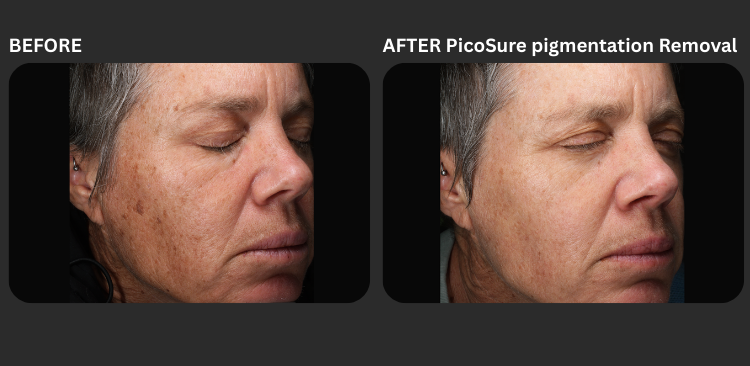
Improvement is usually gradual. Melasma can recur after treatment, particularly with renewed UV exposure, hormonal changes or inflammation. A consultation should set expectations around likely benefit, downtime, risks, cost and maintenance before treatment begins.
Possible Side Effects and Downtime
Side effects vary with the device and protocol. Temporary redness, warmth, sensitivity, swelling or darkening of pigment may occur. Less common but important risks include burns, prolonged inflammation, post-inflammatory hyperpigmentation, hypopigmentation, uneven colour and worsening melasma. Following pre- and post-treatment instructions is important, but no protocol can guarantee that a flare will not occur.
Book a Melasma Consultation in Adelaide
If you have symmetrical brown facial patches, pigmentation that appeared during or after pregnancy, or pigment that repeatedly returns after treatment, book a consultation with BalaBala Laser Clinic in Adelaide. Please bring a list of current skincare and medications, details of previous pigment treatments and any relevant medical history.
Your clinician will assess whether the concern appears suitable for cosmetic treatment, explain the available options and discuss expected outcomes, risks, cost and maintenance before you decide whether to proceed.
Frequently Asked Questions
Is melasma treatment suitable for darker skin tones?
It may be, but melanin-rich skin can have a higher risk of post-inflammatory pigmentation after irritation or energy-based treatment. Device choice, settings and preparation must be individualised. Some patients may be advised to stabilise the skin first or avoid a particular procedure.
Can melasma be treated during pregnancy or breastfeeding?
Cosmetic laser treatment and many active or prescription products are commonly deferred during pregnancy, and some remain unsuitable while breastfeeding. Focus is often placed on gentle skincare and photoprotection, but all active ingredients should be checked with the patient’s doctor or pharmacist.
Will stopping hormonal contraception make melasma disappear?
Not necessarily. Hormonal contraception may be a contributing factor for some people, but melasma can persist after the trigger changes. Do not stop or change prescribed contraception without discussing it with the prescribing doctor.
How is melasma distinguished from other pigmentation?
Assessment considers the pattern, colour, history, triggers, skin type and prior treatment response. VISIA and photography can support documentation, but uncertain or atypical lesions may require medical or dermatological review.
Can I combine melasma treatment with anti-ageing procedures?
Sometimes, but heat- or inflammation-producing treatments should be planned carefully in melasma-prone skin. The order and interval should be decided after assessing the skin and all planned procedures.
Is PicoSure or Fotona StarWalker better for melasma?
Neither device is best for every patient. Their wavelengths and pulse characteristics differ, and the appropriate option depends on the diagnosis, skin type, pigment pattern and previous response. In some cases, skincare and sun protection should come before laser.
Can melasma be permanently removed?
Melasma is usually considered a chronic, relapsing condition. Treatment can improve its appearance and help control triggers, but permanent clearance cannot be promised. Ongoing photoprotection and maintenance are often required.
Does melasma treatment have downtime?
Downtime varies. Some conservative procedures may cause only short-lived redness or sensitivity, while other treatments can produce more visible darkening or recovery. Your clinician should explain the expected course for the specific treatment being considered.
References and Further Reading
Medical and results disclaimer This article provides general educational information and does not replace medical advice, diagnosis or a personalised consultation. Suitability, treatment response, downtime and risks vary. Results cannot be guaranteed. Prescription treatments require assessment by an appropriately qualified medical practitioner. |