


Broken Capillaries on the Face: Causes, IPL Treatment and When Redness May Be Rosacea
Broken capillaries are usually dilated superficial vessels rather than literally broken capillaries.
Fine red lines around the nose, across the cheeks or on the chin are often described as “broken capillaries” or facial spider veins. The name is familiar, but it is not always technically accurate. In many cases, the vessels are not broken at all; they are small surface blood vessels that have become permanently widened and visible through the skin. The medical term is telangiectasia.
Visible facial vessels can occur on their own, alongside cumulative sun damage, or as one feature of rosacea. They may look similar to diffuse redness, post-acne red marks or even brown pigmentation at a glance. That is why the first step is not choosing a device. It is identifying what the colour represents, how the area behaves and whether a cosmetic treatment is appropriate.
Quick answer: Skincare may calm sensitivity and reduce triggers, but it cannot reliably close an established visible vessel. Intense pulsed light (IPL) and vascular lasers are among the procedures used for facial telangiectasia. The right option depends on the pattern and depth of the vessels, your skin tone, your medical and medication history, recent sun exposure and whether rosacea or another condition is contributing.
Key takeaways
- “Broken capillaries” are usually dilated superficial vessels, not literally snapped capillaries.
- An isolated red line, a spider-shaped vessel, diffuse flushing and rosacea-related redness are not the same concern.
- IPL can be considered for selected visible vessels and background redness, but it does not cure rosacea or prevent every future vessel.
- Skin type matters. BalaBala's current Icon IPL protocol is primarily suited to Fitzpatrick skin types I–III, with suitability confirmed at consultation.
- New, changing, bleeding or unexplained red lesions should be medically assessed rather than assumed to be cosmetic.
What are broken capillaries on the face?
Telangiectases are small, visible red blood vessels close to the skin surface. They may appear as a single fine line, a small network, or several branches concentrated around the nostrils and cheeks. A “spider” telangiectasis has a central red point with tiny vessels radiating from it. Blue vessels are more likely to involve small veins and are not necessarily treated in the same way.
Most facial telangiectases are harmless. However, visible vessels can also be associated with rosacea, chronic sun damage, long-term corticosteroid use, skin injury or, less commonly, an underlying medical condition. Some skin tumours may also show surface telangiectasia. A cosmetic clinic should therefore assess the lesion rather than treating every red mark automatically.
Why do visible facial vessels develop?
There is rarely one universal cause. Common contributors include:
Cumulative sun exposure and skin ageing
Ultraviolet exposure can affect dermal support and make superficial vessels more noticeable over time. Sun-damaged or thinner skin may reveal vessels that were previously less visible. In Adelaide, where ultraviolet levels can be high for much of the year, daily sun protection is part of both prevention and post-treatment care.
Rosacea and repeated flushing
Rosacea is a chronic inflammatory skin condition that commonly affects the central face. It can cause transient flushing, persistent background redness, burning or stinging, visible blood vessels, and sometimes acne-like bumps or eye symptoms. Repeated vasodilation and inflammation may make small vessels increasingly visible. Sun, heat, cold, alcohol, hot drinks, spicy food, stress and exercise are common triggers, although each person's pattern is different.
Genetics, skin characteristics and environmental exposure
Some people are simply more prone to visible facial vessels. They are often easier to see in fair or thin skin, but people of every skin tone can develop them. Wind, temperature extremes and repeated irritation may make a predisposed face look more flushed, even when they are not the sole cause of the vessels.
Medications, hormones and medical conditions
Long-term topical or systemic corticosteroid exposure can contribute to telangiectasia. Spider telangiectases may also be associated with pregnancy, oestrogen exposure, liver disease and several less common systemic conditions. Multiple new lesions, recurrent nosebleeds, unusual bruising or other symptoms deserve medical assessment.
Broken capillaries, rosacea, flushing or pigmentation: what is the difference?
The visual pattern gives useful clues, but it is not a substitute for diagnosis.
Concern | Typical appearance | Behaviour | What treatment planning focuses on |
Facial telangiectasia | Fine red linear or branching vessels | Usually remains visible at rest | Vessel size, depth, location and skin type |
Spider telangiectasis | Central red point with radiating lines | May blanch temporarily with pressure and refill | Confirming it is a benign vascular lesion before treatment |
Rosacea-related redness | Persistent central facial redness, sometimes with visible vessels, sensitivity or bumps | Often flares with personal triggers | Medical control, gentle skincare, trigger management and selected procedures |
Temporary flushing | Diffuse redness without fixed lines | Comes and goes with heat, emotion, exercise, alcohol or other triggers | Identifying the cause; a vessel procedure may not address the whole problem |
Post-inflammatory erythema | Flat pink or red marks after acne or irritation | Gradually changes as inflammation settles | Controlling active inflammation before cosmetic treatment |
Pigmentation | Brown, tan or grey-brown spots or patches | Usually does not behave like a vessel | Melanin depth, pigment type and risk of post-inflammatory pigmentation |
Visible vessels, diffuse redness and brown pigmentation may need different treatment plans.
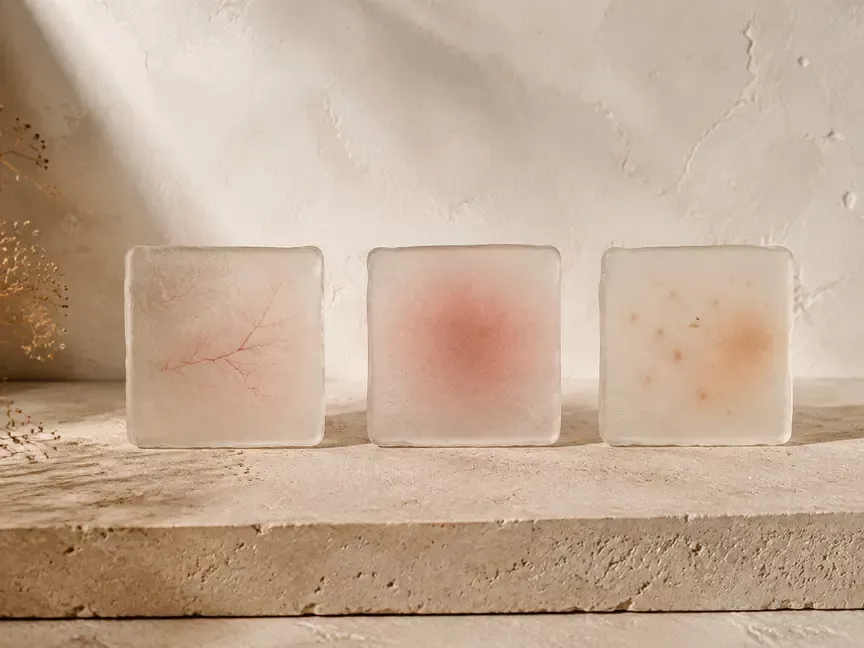
This distinction matters because IPL settings used for haemoglobin are not the same as a treatment plan designed for melanin. It also matters because a chronic condition such as rosacea usually needs more than a device appointment. Skincare, trigger reduction and medical treatment may still be part of the plan.
Can skincare remove broken capillaries?
No cream can reliably make an established dilated vessel close. Products marketed as “capillary repair” may soothe irritation, support the skin barrier or temporarily reduce the appearance of redness, but they should not be presented as a substitute for a vascular procedure.
Skincare still matters. A simple routine can reduce unnecessary inflammation and help rosacea-prone skin tolerate treatment:
- use a mild cleanser rather than abrasive scrubs;
- moisturise to support the skin barrier;
- avoid repeatedly introducing strong actives to reactive skin;
- identify personal flushing triggers instead of following a universal restriction list; and
- use broad-spectrum sun protection consistently.
Cancer Council Australia recommends broad-spectrum, water-resistant SPF 50 or SPF 50+ sunscreen as part of a wider sun-protection routine when ultraviolet levels are 3 or above. A hat, shade, protective clothing and sunglasses remain important; sunscreen is not the only line of defence.
How does IPL target visible facial vessels?
IPL is a light-based treatment, not a laser. A laser emits a more specific wavelength, while IPL uses filtered broad-spectrum light. For a vascular treatment, selected light is absorbed by haemoglobin within the visible vessel and converted to heat. The aim is to affect the target vessel while limiting injury to the surrounding skin. The treated vessel may then become less visible as the body gradually clears it.
The same IPL platform may also be configured to target melanin in selected sun-induced brown spots, but a practitioner should not use a one-setting-fits-all approach. Filter choice, energy, pulse structure, cooling and treatment endpoint all matter.
Research on IPL for rosacea-related erythema and telangiectasia is encouraging but not perfect. A 2024 systematic review found that most included studies reported improvement and temporary adverse effects, while also warning that study quality was generally poor and treatment protocols varied. That makes individual assessment and realistic expectations more credible than promising a fixed percentage of clearance.
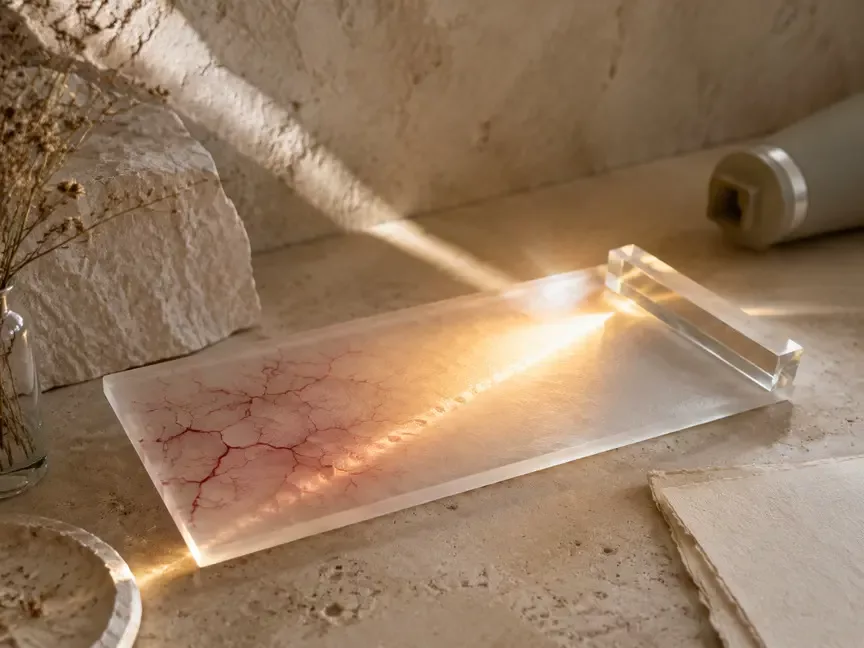
IPL uses selected light to target haemoglobin in visible vessels; treatment parameters must be tailored.
IPL or vascular laser: which is better for facial spider veins?
Neither technology is universally “best.” Their strengths are different.
IPL can treat a broader area and may be useful when visible vessels sit within diffuse facial redness or when selected superficial brown spots are also present. A vascular laser uses a more specific wavelength and may be preferred for certain vessel sizes, colours or precise focal lesions. Device choice also depends on practitioner access and experience.
For rosacea, light or laser treatment is usually only one part of management. The American Academy of Dermatology notes that treatment plans may also include medication, rosacea-friendly skincare and trigger management. Eye symptoms, inflammatory bumps or skin thickening require medical attention and should not be managed as a cosmetic redness problem alone.
Who may be suitable for Icon IPL at BalaBala?
Icon IPL may be considered for selected clients concerned about:
- fine visible red vessels around the nose or cheeks;
- diffuse facial redness or flushing with a vascular component;
- selected rosacea-related background redness after appropriate assessment; or
- combined superficial redness and sun-induced brown spots.
BalaBala's current Icon IPL protocol is primarily offered to Fitzpatrick skin types I–III. This is important because melanin in the surrounding skin can also absorb light, increasing the risk of burns or unwanted pigment change if the treatment is not appropriate or settings are poorly selected. A recent tan, active skin inflammation, infection, certain medications, previous reactions and relevant health history can all change the plan.
People with deeper skin tones or an unclear diagnosis are not “untreatable”; they may simply need a different approach or referral. A responsible consultation includes the option not to proceed with IPL.
What happens during an IPL consultation and treatment?
1. The redness is assessed before the device is chosen
At BalaBala Laser Clinic, a consultation can include a visual examination, skin and medication history, discussion of triggers and previous treatments, and VISIA Skin Analysis. VISIA can document red areas and help track change, but imaging does not replace medical diagnosis where a lesion or symptom is uncertain.
2. Suitability, expectations and risk are discussed
Your practitioner should explain what IPL is likely to address, what it will not address, possible alternatives, the expected recovery and the possibility of recurrence or maintenance. A test patch may be used when clinically appropriate. Treatment should be postponed if the skin is recently tanned or another contraindication is present.
3. Controlled pulses are delivered with eye protection and cooling
During Icon IPL in Adelaide, protective eyewear is used. Contact cooling and selected light pulses are applied to the planned area. Sensation varies, but people commonly describe warmth or a brief elastic-band-like snap.
4. The skin is reviewed over time
Immediately afterwards, the area may look redder or feel warm. Mild swelling can occur, especially around delicate areas. The visible response and recovery should be reviewed before the next session. Some concerns may improve after one treatment, while a series is often used for broader or more persistent redness. The number and spacing of sessions should be individualised rather than guaranteed in advance.
Downtime, risks and aftercare
Most people can resume routine activities soon after IPL, but “minimal downtime” does not mean “no biological response” or “no risk.” Temporary warmth, redness, tenderness or swelling can occur. Pigmented spots treated in the same session may darken temporarily before shedding. Less common complications include blistering, crusting, infection, scarring and darker or lighter pigment change.
Follow the instructions provided for your specific settings and skin. Typical guidance may include:
- use cool or lukewarm water and a gentle cleanser;
- avoid rubbing, scratching and abrasive exfoliation while the skin is reactive;
- pause strong active products for the period advised by your practitioner;
- avoid excessive heat, intense exercise, swimming and other activities your practitioner identifies during the early recovery period; and
- protect the treated area from ultraviolet exposure with clothing, shade and broad-spectrum SPF 50 or SPF 50+ sunscreen.
For a more detailed recovery guide, read what happens after IPL treatment.
Gentle cleansing, cooling care and consistent sun protection support recovery after IPL.

Contact the clinic promptly if you develop blistering, escalating pain, marked swelling, signs of infection or an unexpected pigment change. Seek urgent medical care for severe symptoms.
Can broken capillaries come back after treatment?
Yes. A successfully treated vessel may stay less visible, but treatment cannot change every underlying tendency. New vessels may appear with ongoing sun exposure, skin ageing, recurrent rosacea flares, repeated irritation or other contributing factors. Rosacea itself is chronic and may relapse.
Maintenance is therefore not a failure of treatment. It may include daily sun protection, gentle skincare, medical rosacea management where needed, reducing personal triggers and occasional procedural review. The goal is controlled, natural-looking improvement rather than a promise that facial redness will never return.
Why BalaBala's assessment-led approach matters
The competitive advantage is not simply owning an IPL device. It is knowing when the device matches the concern.
At BalaBala Laser Clinic in Adelaide, the process is designed around:
- Redness mapping before treatment. VISIA imaging can document red areas and support consistent review alongside clinical assessment.
- A dedicated Icon IPL platform. Parameters can be selected for the target and skin characteristics rather than applying a generic facial setting.
- Separation of vascular and pigment concerns. Red vessels absorb light differently from brown pigment, so they should be identified and planned separately even when both are present.
- Conservative suitability decisions. Skin type, tanning, medications, previous reactions and the possibility of rosacea or another diagnosis are considered before treatment.
- Continuity of care. Preparation, treatment response, aftercare and maintenance are treated as one plan rather than isolated appointments.
If IPL is not the right option, the appropriate outcome of a consultation may be skincare advice, medical review, a different device or no cosmetic treatment. That is a sign of good assessment, not a missed treatment opportunity.
When should facial redness be checked by a doctor?
Arrange medical assessment if redness or a visible vessel is new and changing, repeatedly bleeding, painful, associated with a non-healing sore, or accompanied by unexplained symptoms. See a GP, dermatologist or eye-care professional if you have eye pain, light sensitivity, persistent gritty eyes or visual change, as ocular rosacea needs medical care.
Multiple spider-like vessels together with recurrent nosebleeds or a family history of similar problems also warrant medical assessment. Do not use cosmetic IPL to delay the diagnosis of an uncertain lesion.
Frequently asked questions
Are broken capillaries actually broken?
Usually not. The common term generally describes small surface vessels that have become permanently widened and visible. The medical term is telangiectasia.
Can IPL remove spider veins on the face?
IPL may reduce selected fine facial vessels and diffuse vascular redness. Suitability depends on vessel characteristics, location, skin type and the cause of the redness. Improvement varies, and future vessels can develop.
Is IPL the same as laser treatment?
No. IPL uses filtered broad-spectrum light, while a laser emits a more specific wavelength. Both can be used for vascular concerns, but they are not interchangeable and neither is best for every vessel.
Does IPL cure rosacea?
No. IPL may help visible vessels and background redness in selected people, but rosacea is a chronic inflammatory condition. Medical treatment, gentle skincare, sun protection and trigger management may also be needed.
Is IPL suitable for darker skin tones?
IPL requires extra caution when there is more melanin in the surrounding skin because that melanin can absorb light. BalaBala's current Icon IPL protocol is primarily suited to Fitzpatrick I–III. Every skin tone deserves an individual assessment and, when IPL is unsuitable, a discussion of alternatives or referral.
How many IPL treatments will I need?
There is no reliable universal number. Vessel pattern, background redness, skin response, settings and underlying rosacea all influence the plan. Some people notice change after one session; others are advised to complete a series and review maintenance later.
Can IPL treat blood vessels on the nose?
Selected small vessels around the nose may respond to IPL, but vessel size, depth and exact location matter. Larger, blue or resistant vessels may require a different vascular treatment or specialist assessment.
Will the redness return?
Treated vessels may remain less visible, but new vessels or rosacea-related redness can appear over time. Sun protection, trigger management and follow-up care may help maintain improvement.
Book an assessment for facial redness in Adelaide
If you are unsure whether the redness around your nose or cheeks is a visible vessel, rosacea, post-acne redness or pigmentation, begin with an assessment rather than guessing from colour alone.
Book a skin test and consultation with BalaBala Laser Clinic in Adelaide to discuss your skin history, VISIA findings, Icon IPL suitability, expected recovery, alternatives and a personalised plan. Results vary, and no specific outcome can be guaranteed.
Medical and advertising disclaimer
This article is general educational information and does not replace diagnosis or medical advice. Cosmetic procedures carry risks, recovery requirements and the possibility of complications. Suitability and outcomes vary with skin type, health history, medication use, anatomy, treatment parameters and aftercare. A qualified practitioner must assess you before treatment. Seek medical advice for an uncertain, changing, bleeding or symptomatic lesion, or for eye symptoms associated with facial redness.
References
- DermNet. Telangiectasia. https://dermnetnz.org/topics/t...
- DermNet. Spider telangiectasis. https://dermnetnz.org/topics/s...
- DermNet. Rosacea: symptoms, causes and management. https://dermnetnz.org/topics/r...
- Healthdirect Australia. Rosacea. https://www.healthdirect.gov.a...
- American Academy of Dermatology. Rosacea: diagnosis and treatment. https://www.aad.org/public/dis...
- American Academy of Dermatology. Lasers and lights: how well do they treat rosacea? https://www.aad.org/public/dis...
- Martignago CCS et al. Efficacy and safety of intense pulsed light in rosacea: a systematic review. Indian Journal of Dermatology, Venereology and Leprology. 2024;90:599–605. https://doi.org/10.25259/IJDVL...
- Cancer Council Australia. Sunscreen and sun safety. https://www.cancer.org.au/canc...
- BalaBala Laser Clinic. Icon IPL in Adelaide. https://balabalalaserclinic.co...
- BalaBala Laser Clinic. VISIA Skin Analysis. https://balabalalaserclinic.co...