Medically guided and evidence-informed care
Treatment options chosen based on clinical evaluation rather than guesswork.

Balabala Laser Clinic proudly collaborates with BIOSCOR International, an internationally recognised medical aesthetics and hair restoration group.
Founded in Melbourne, Australia in 1992 by Dr Alan Ong, BIOSCOR has over 30 years of experience specialising in hair loss and scalp treatment solutions. The organisation operates professional clinics across multiple countries and regions, bringing together an experienced team of medical practitioners dedicated to addressing various types of hair loss through structured, medically guided treatment approaches.
With three decades of industry expertise, BIOSCOR integrates advanced technologies with extensive clinical experience. The group has also developed proprietary hair and scalp care formulations, supporting a comprehensive system that spans professional diagnosis, treatment interventions, and long-term scalp management.
Through this collaboration, Balabala Laser Clinic is committed to delivering safe, personalised, and clinically informed hair restoration solutions supported by global expertise.
Backed by over 30 years of clinical expertise in hair loss management, we provide medically guided assessments and tailored treatment strategies focused on long-term scalp and follicle health.
Individualised, medically supervised assessments




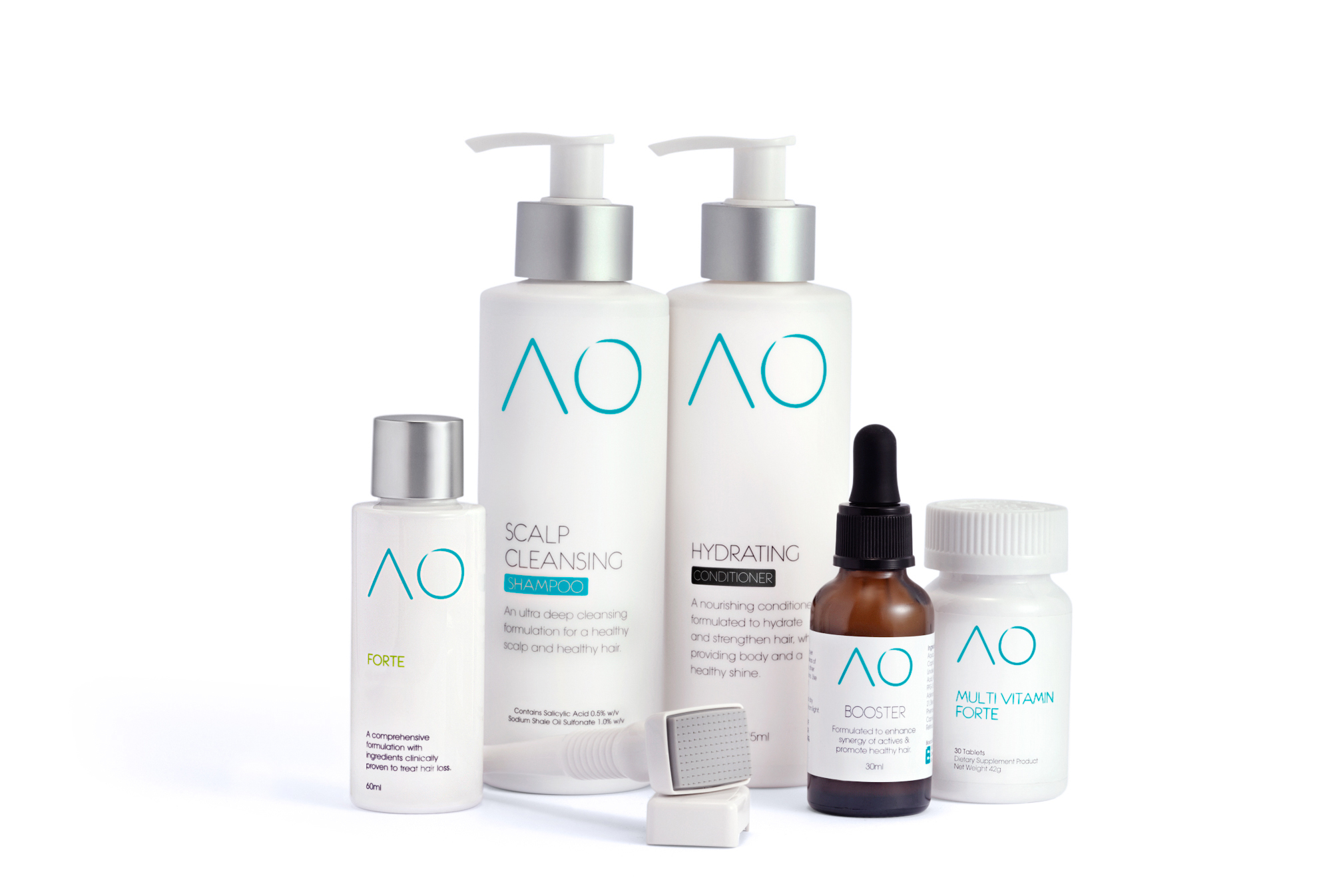
Our clinicians consider evidence-backed treatment options alongside your goals and preferences. Where appropriate, clinical treatments or medications may be prescribed by our doctors (after consultation).
We may also recommend supportive products—such as shampoo, conditioner, serum or oils—formulated to cleanse, nourish and protect the hair and scalp. Over-the-counter care commonly includes nutrients (e.g. biotin) that support general hair and scalp health.
A holistic way to look at treatment could include looking at nutrition, vitamins, topical oils, scalp massage, and lifestyle factors such as diet and stress management.
Note: Prescription items are not advertised to the public and are only available following a clinical assessment.
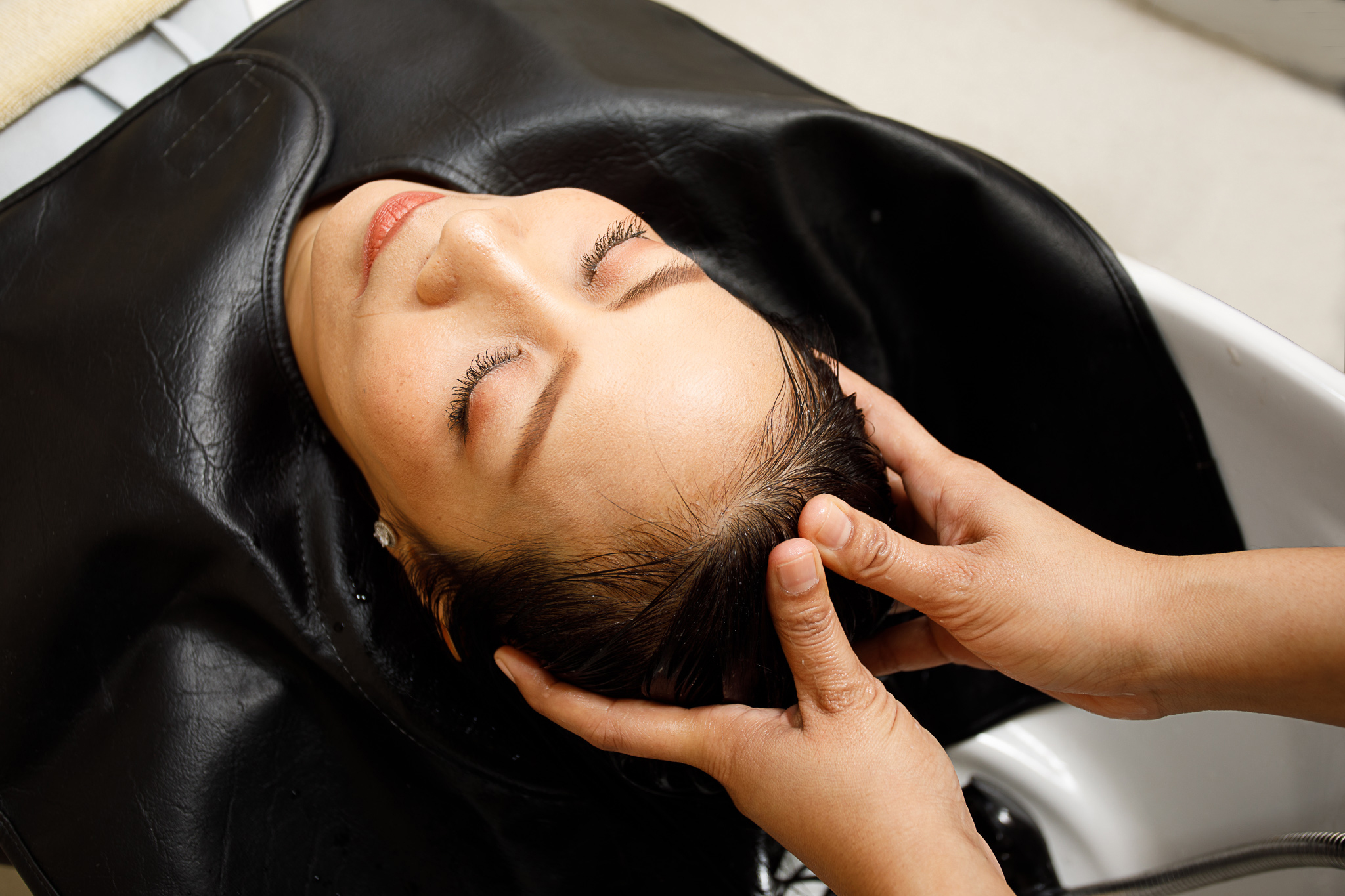
Discuss your concerns with our specialists while we analyse your scalp using clinical photography and advanced dermoscopy technology.
Based on your assessment and medical indicators, we design a fully personalised treatment strategy for optimal hair regrowth.
Referral to detect hidden nutritional deficiencies and hormonal imbalances that may affect hair growth. *Recommended but not mandatory
Our medical practitioner will interpret your results, explain the causes of hair loss, and guide you through your treatment journey with clear expectations.
Comfort levels and treatment duration may vary depending on your individual plan.
To ensure patients experience the best results that PRF treatment offers, they will be advised of the following pre-treatment advice:
Scalp Reset 6 session
PRF (Platelet-Rich Fibrin)6 session
- Combine PRF with Scalp Injection - Combine PRF with Laser
Promotion Price $ 3999
This is an indicative price only. Final pricing may vary depending on the product brand chosen and the amount required. A personalised quote will be provided during your consultation.

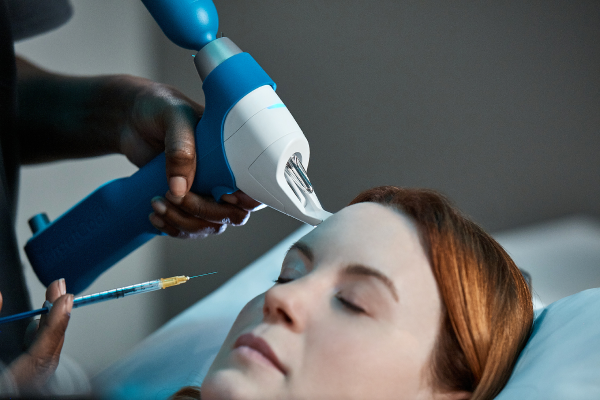
Hair regrowth is a gradual biological process, and results typically become noticeable within 2 to 3 months of consistent treatment. This timeline reflects the inherent delay built into the hair cycle itself. In most cases, existing telogen-phase hairs must first shed before new anagen-phase hairs emerge and become visible above the scalp. Since each follicle operates on its own cycle, improvements often appear as a gradual increase in hair density and thickness rather than dramatic regrowth all at once.
It’s also important to note that any adjustments to your treatment protocol—such as the addition of PRF, or exosome therapy—may require another 2 to 3 months to demonstrate efficacy, due to the time required for cellular signalling, follicular response, and hair shaft elongation. Patience and consistency are essential, as meaningful follicular regeneration is a cumulative, time-dependent process.
Androgenetic alopecia is a chronic, progressive, genetically driven condition. While treatments can effectively reverse miniaturisation and stimulate regrowth, they do not modify the underlying genetic predisposition. This means that ongoing treatment is necessary to maintain results. Discontinuing therapy typically allows the biological processes driving hair loss—particularly DHT-mediated follicular miniaturisation—to resume, leading to the eventual loss of both newly regrown hairs and those previously stabilised by treatment.
Hair loss management should therefore be viewed similarly to other long-term conditions, such as hypertension or acne, where ongoing maintenance is essential to preserve outcomes. In some cases, once satisfactory regrowth has been achieved, a reduced maintenance regimen may be recommended, tailored to your individual response and long-term goals.
Yes, absolutely. While hair transplants can effectively restore density in specific areas, they do not halt the underlying progression of androgenetic alopecia in non-transplanted follicles. A common misconception is that transplanted hair is a permanent fix. In reality, the native hairs surrounding the transplant site—particularly in the mid-scalp and crown—remain vulnerable to ongoing DHT-mediated miniaturisation, which may result in further thinning over time and compromise the overall aesthetic outcome.
Our program is highly complementary to hair transplantation. By stabilising surrounding native hairs and enhancing follicular health, our treatments can both preserve transplant results and stimulate new growth between and around implanted grafts. This holistic approach ensures a more uniform and sustainable outcome in the long term.
Concerns about sexual side effects are most associated with oral 5-alpha reductase inhibitors such as finasteride (and its more potent counterpart, dutasteride). These medications work by reducing DHT levels—a key driver of follicular miniaturisation in androgenetic alopecia. In a small percentage of men, reported side effects include reduced libido, erectile dysfunction, or ejaculatory changes. However, large clinical trials suggest the actual incidence is low and often reversible upon discontinuation.
At our clinic, we typically reserve oral DHT-blockers for cases that don’t respond optimally to first-line therapies. Many patients achieve excellent results with our topical, regenerative, and lifestyle-based treatments, which carry minimal systemic risk and are well tolerated.
Yes, you can continue to style your hair while on our program. Our topical treatment—typically containing minoxidil—is applied directly to the scalp, and while some solution may contact the hair shafts, it dries with minimal residue and can be brushed through after a short period.
However, chemical treatments like colouring and perming can compromise hair shaft integrity, especially in newly regrown hairs. These emerging hairs are often finer and more fragile during the early stages of regrowth and are more susceptible to breakage under physical or chemical stress. For this reason, we generally advise delaying harsh treatments until the hair has thickened and stabilised, and even then, to proceed with caution if preserving density is your main goal.
Some components of our hair loss program are not suitable during pregnancy or breastfeeding. If you are pregnant, planning to conceive, or currently breastfeeding, please let us know during your consultation. We can tailor a plan that may include safe, non-hormonal options to support scalp health and hair growth during this time.
Our treatment program has shown positive hair regrowth outcomes in the vast majority of patients with androgenetic alopecia. However, individual results vary based on multiple biological and environmental factors. These include age, degree of follicular miniaturization, duration of hair loss, genetic sensitivity to DHT, and adherence to the treatment protocol. Scalp health, inflammation, and nutritional status can also influence outcomes.
For patients who show a slower response, we reassess at the 3-month mark and may introduce adjunctive therapies such as PRF, or exosome therapy. lf minimal progress is observed after6 months despite comprehensive intervention, we will discuss alterative strategies or refer you for further options, such as surgical transplantation.
The hair growth cycle consists of three phases: anagen, catagen, and telogen. The anagen phase is the active growth phase, lasting 2 to 7 years. During this phase, 85-90% of scalp hairs are actively growing. The catagen phase is the transition phase, where hair shaft production is completed. The telogen phase, or rest phase, is the final phase. In this phase, a club hair is fully formed, resulting in a hard, white, and dry material at the root. Eventually, the hair is shed from the scalp.
Stress, hormonal imbalances, and poor nutrition can disrupt the hair growth cycle, causing more hairs to be in the telogen phase and fewer in the anagen phase. This results in thinner hair or increased shedding. Your practitioner may discuss how to restore optimal scalp conditions through a combination of nutrition, topical care, and non-invasive therapies.
Most clients begin with a consultation and follow-up every few months to review scalp health, product tolerance, and progress. The exact frequency depends on your individual program and hair type.
Costs vary depending on the therapies or products recommended. Your practitioner will outline all options and pricing transparently before starting.
Our program combines medical oversight, topical care, nutritional guidance, and regenerative therapies to support scalp and follicle health. Every plan is individually designed following a professional assessment.
Natural ingredient oils are sometimes used to complement broader care plans. While they may support scalp condition, clinical evidence for significant regrowth remains limited.
Some therapies may cause scalp mild irritation or temporary shedding as part of the adjustment process (common side effect of effective hair loss treatments due to the acceleration of the hair’s natural growth cycle). Your practitioner will discuss any potential side effects in detail before treatment begins.
The information contained herein is not a substitute for and should never be relied upon for professional medical advice. Always talk to a doctor about the risks and benefits of any treatment.